
If you’ve ever wondered, “How long should my AC cycle last?”, you’re asking an important question. Your AC cycle can tell you a lot about your air conditioner’s performance, energy efficiency, humidity control, and overall condition.
For homeowners in Belleview, FL, long, hot, and humid weather can put significant demand on an air conditioning system. It’s normal for your AC to work harder during extremely hot days, but frequent starts and stops or unusually long cooling cycles may indicate an HVAC problem.
Understanding what a normal AC cycle looks like can help you recognize problems early, improve indoor comfort, reduce unnecessary energy costs, and potentially prevent expensive AC repairs.
What Is a Normal AC Cycle?
An AC cycle is the period when your air conditioner turns on, runs to cool your home to the thermostat’s set temperature, and then shuts off.
Once the indoor temperature rises again, the system starts another cooling cycle.
Under typical conditions, a residential air conditioner may run for approximately 10 to 20 minutes per cycle. However, there is no single “perfect” cycle length for every home.
Your AC cycle can vary based on:
- Outdoor temperature
- Indoor temperature
- Humidity levels
- Thermostat settings
- Home size
- Insulation levels
- Air conditioner size and efficiency
- Ductwork condition
- Airflow
- Refrigerant charge
- Overall HVAC system condition
During especially hot Florida afternoons, your air conditioner may run for longer periods. That isn’t necessarily a problem. Longer, consistent cooling cycles can actually help your system maintain a more stable temperature and remove moisture from the air.
The key is to watch for unusual AC cycling, especially when your system turns on and off repeatedly without adequately cooling your home.
Want to improve your home’s cooling efficiency? ENERGY STAR offers practical tips on maintaining your heating and cooling system to maximize comfort while lowering energy costs.
How Long Should an AC Run in Florida?
There isn’t a specific number of minutes an AC must run in Florida.
Because Belleview experiences high temperatures and humidity, your air conditioner may need to run longer than it would in a cooler, drier climate.
A healthy AC system should generally operate in longer, consistent cycles rather than repeatedly starting and stopping every few minutes.
If your AC runs continuously during an extremely hot afternoon but maintains the desired indoor temperature, that may be normal. However, if the system runs constantly and still can’t cool your home, there could be an underlying issue.
What Is AC Short Cycling?
AC short cycling happens when your air conditioner turns on and shuts off too quickly, often before completing a proper cooling cycle.
Instead of running long enough to cool your home and remove humidity, the system repeatedly starts and stops.
Short cycling can increase wear on important components, reduce comfort, increase energy consumption, and place additional stress on the AC compressor.
Common Signs of AC Short Cycling
You may have a short-cycling problem if:
- Your AC turns on and off every few minutes.
- Your home never reaches the thermostat setting.
- Indoor humidity feels unusually high.
- Your energy bills have increased unexpectedly.
- Some rooms are colder or warmer than others.
- Your AC constantly starts and stops.
- Your system struggles to maintain a consistent temperature.
- You notice unusual sounds when the system starts or stops.
Short cycling shouldn’t be ignored. Repeated startup cycles can contribute to premature equipment wear and may eventually lead to more expensive air conditioning repairs.
Why Your AC May Be Cycling Too Often
Several issues can cause your air conditioner to cycle more frequently than it should.
1. Dirty Air Filter
A clogged or dirty AC air filter restricts airflow through your HVAC system.
Restricted airflow can make it more difficult for your air conditioner to distribute cool air throughout your home and may contribute to performance problems.
For many homes, replacing the filter every 1 to 3 months is a good starting point. Homes with pets, allergies, or heavier dust may require more frequent replacement.
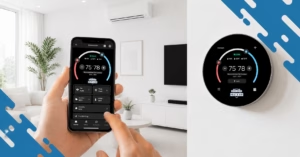
2. Thermostat Problems
Your thermostat controls when your AC turns on and off.
If the thermostat is incorrectly calibrated or installed near a heat source such as a sunny window, kitchen, appliance, or air vent, it may detect an inaccurate temperature.
This can cause unnecessary cooling cycles.
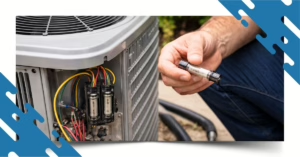
If you suspect your thermostat is malfunctioning, an HVAC professional can inspect the thermostat and system controls.
3. Low Refrigerant
Your air conditioner uses refrigerant to absorb heat from your home and transfer it outdoors.
If refrigerant levels are low because of a leak or another system problem, your AC may struggle to cool your home properly.
Possible signs of a refrigerant problem include:
- Poor cooling
- Longer AC cycles
- Frequent cycling
- Ice on refrigerant lines or the indoor coil
- Higher energy consumption
- Warm air from vents
Low refrigerant isn’t simply something that should be topped off. If the system is low, a qualified HVAC technician should determine why before adding refrigerant.
4. Oversized Air Conditioner
Bigger isn’t always better when it comes to air conditioning.
An oversized AC unit can cool your home very quickly but may shut off before adequately removing humidity.
This can result in:
- Short cycling
- Higher indoor humidity
- Uneven temperatures
- Reduced comfort
- Increased equipment wear
Proper HVAC sizing is especially important in Florida because humidity control is a major part of maintaining indoor comfort.
5. Leaking or Damaged Ductwork
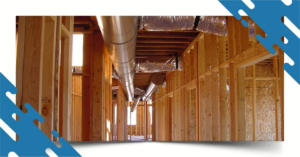
Your ductwork distributes conditioned air throughout your home.
If ducts are leaking, disconnected, crushed, poorly insulated, or improperly designed, conditioned air can escape before it reaches your living spaces.
This can cause your AC to run longer while providing less cooling.
A professional ductwork inspection can help identify air leaks, airflow restrictions, and other hidden problems.
Can Attic Insulation Affect Your AC Cycle?
Yes.
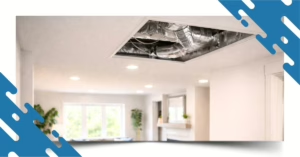
Poor attic insulation can increase the amount of heat entering your home, especially during Belleview’s hot Florida summers.
When heat enters through an under-insulated attic, your air conditioner has to work harder to maintain the thermostat setting.
Proper attic insulation can help:
- Reduce heat transfer
- Maintain more consistent indoor temperatures
- Reduce AC runtime
- Improve energy efficiency
- Reduce HVAC strain
- Improve overall comfort
If your AC seems to run constantly but your home still feels warm, your home’s insulation and overall energy efficiency may be worth evaluating.
Can Poor Duct Design Cause AC Problems?
Absolutely.
Your ductwork delivers cooled air throughout your home. If it’s improperly designed, damaged, or leaking, airflow becomes restricted.
Common duct issues include:
- Air leaks
- Poor airflow balance
- Crushed duct sections
- Blocked vents
- Improper duct sizing
These problems force your air conditioner to work harder while reducing comfort throughout your home.
A professional duct inspection can often identify hidden airflow problems before they become expensive repairs.
Don't Forget About Humidity
Temperature isn’t the only factor that determines indoor comfort.
Belleview’s humid Florida climate means your AC also needs to remove moisture from the indoor air.
A properly operating air conditioner removes both heat and humidity as it runs.
If your AC shuts off too quickly, it may not run long enough to adequately dehumidify your home. The result can be a home that feels sticky or uncomfortable even when the thermostat shows the desired temperature.
Consistent cooling cycles can help your air conditioner provide better humidity control.
Could Pests Be Affecting Your HVAC System?
It may sound surprising, but pests can interfere with your air conditioning system.
Rodents, insects, and other pests may:
- Damage electrical wiring
- Block ductwork
- Chew insulation
- Restrict airflow
- Nest near HVAC components
These issues can affect your AC’s performance and even cause irregular cycling.
Regular HVAC inspections help identify pest-related damage before it leads to costly repairs.
How to Improve Your AC Cycle and Cooling Efficiency
You don’t always need a major HVAC repair to improve your air conditioner’s performance.
Start with these simple maintenance steps:
- Replace dirty air filters regularly.
- Keep the outdoor condenser clean and free of debris.
- Make sure supply and return vents aren’t blocked.
- Keep doors and windows closed while your AC is running.
- Check your thermostat settings and batteries.
- Seal obvious air leaks around doors and windows.
- Check attic insulation if your home struggles to stay cool.
- Schedule routine professional AC maintenance.
- Have ductwork inspected if you notice poor airflow.
- Have refrigerant levels checked by a qualified HVAC technician when cooling performance changes.
Regular AC maintenance can help your system operate more efficiently, improve indoor comfort, and identify potential problems before they become major repairs.
When Should You Call an HVAC Professional?
It’s time to schedule an AC inspection or repair if you notice:
- AC cycles lasting only a few minutes
- Constant on-and-off cycling
- Your AC running continuously without cooling your home
- Warm air coming from the vents
- Unusual AC noises
- Increasing energy bills
- High indoor humidity
- Uneven cooling
- Weak airflow
- Ice forming on the indoor or outdoor system
- Frequent AC breakdowns
An experienced HVAC technician can inspect your system and determine whether the problem involves the thermostat, air filter, refrigerant, compressor, electrical components, ductwork, airflow, insulation, or system sizing.
Early diagnosis can help prevent a relatively small HVAC problem from becoming a major repair.
Early diagnosis often prevents larger, more expensive repairs down the road.
When your air conditioner isn’t cycling properly, don’t wait until a minor issue becomes a major repair.
At Iron Shield Heating & Air, we provide expert AC repair, air conditioning maintenance, HVAC inspections, AC replacement, and cooling system installation throughout Belleview, Ocala, Summerfield, The Villages, Dunnellon, Lady Lake, and surrounding Central Florida communities.
Whether you’re dealing with short cycling, uneven cooling, rising energy bills, or poor airflow, our experienced technicians will diagnose the problem and restore your home’s comfort quickly and efficiently.
Call Iron Shield Heating & Air today to schedule professional AC service and keep your HVAC system running at peak performance year-round.
Frequently Asked Questions About AC Cycles
A typical residential AC cycle may last around 10 to 20 minutes, but cycle length varies depending on outdoor temperature, humidity, thermostat settings, home insulation, system size, ductwork, and equipment condition.
There isn’t one exact number for every home. Your AC may cycle several times per hour depending on conditions. What matters most is that the system runs long enough to properly cool and dehumidify your home without repeatedly starting and stopping every few minutes.
Frequent cycling, known as short cycling, can be caused by a dirty air filter, thermostat problem, low refrigerant, restricted airflow, an oversized AC unit, electrical problems, or other HVAC issues.
During extremely hot Florida weather, an AC may run for extended periods. If your system maintains the desired indoor temperature and humidity, longer runtime isn’t necessarily a problem. However, if your AC runs constantly and your home remains warm or humid, it should be inspected by an HVAC professional.
Yes. High humidity can increase cooling demand. Your air conditioner removes both heat and moisture from the air, so longer, consistent cycles can often provide better humidity control than frequent short cycles.
A dirty air filter can restrict airflow and negatively affect HVAC performance. If your system is cycling unusually often, replacing the filter is a good first step, but persistent short cycling should be professionally diagnosed.
Yes. An oversized air conditioner can cool the home too quickly and shut off before adequately removing humidity. Proper HVAC sizing is important for both cooling performance and humidity control.
Not necessarily. Completely shutting off your AC during Florida’s hot weather can allow indoor temperatures and humidity to rise significantly. A reasonable thermostat adjustment while you’re away can help reduce cooling demand without allowing the home to become excessively hot and humid.
If your AC is short cycling, running continuously without cooling properly, producing weak airflow, creating unusual noises, or causing unexpectedly high energy bills, schedule an HVAC inspection. Professional AC maintenance can also help identify developing problems before they lead to a breakdown.
Related Blog Posts
Read more articles and expert advice related to this service.