
New AC unit costs in Ocala are rarely as simple as they seem. When you imagine cooling your home during Florida’s scorching, humid summers, comfort is usually the first thing that comes to mind. But have you ever stopped to think about what really goes into keeping your home icy-cool while staying on budget? Installing a central air conditioning system isn’t just a matter of picking an AC unit off the shelf and scheduling a technician—it’s a process that involves multiple factors, each of which can affect your final bill.
Have you ever wondered why two homes of similar size can have drastically different AC installation costs? Or why one homeowner’s brand-new system seems “cheap” at first, only to rack up unexpected fees later? From the square footage of your living space to the efficiency rating and type of air conditioning system you select, every choice impacts your overall cost. Even things like ductwork, installation complexity, and local labor rates can quietly inflate the price.
Curious to know what hidden factors could surprise you when upgrading or installing a new AC unit in Ocala?
What Is the Average Cost of a New AC Unit in Ocala?
There isn’t one fixed price for a new AC unit installation in Ocala because every home and installation is different.
Your total AC replacement or installation cost may include:
- The size and cooling capacity of the AC unit
- System efficiency and SEER2 rating
- Type of air conditioning system
- Installation labor
- Existing ductwork repairs or replacement
- Electrical upgrades
- Thermostat installation
- Drain line modifications
- Indoor air quality equipment
- Refrigerant requirements
- Warranty and equipment options
- Permit and installation requirements
The best way to determine the right system and receive an accurate estimate is to schedule an in-home AC evaluation with a licensed HVAC professional.
A qualified technician can evaluate your home’s cooling needs, inspect the existing system and ductwork, and identify any additional work required before installation.
Here are eight of the biggest factors that can affect the cost of a new AC unit.
1. Home Size and Cooling Requirements
The size of your home is one of the most important factors when choosing an AC unit.
Larger homes generally require more cooling capacity, while smaller homes may need a smaller system. HVAC professionals typically measure cooling capacity in tons and BTUs (British Thermal Units).
However, square footage alone shouldn’t determine the size of your air conditioner.
An AC unit that is too small may struggle to cool your home and remove humidity. An oversized unit can cycle on and off too frequently, potentially increasing energy consumption, reducing comfort, and causing unnecessary equipment wear.
That’s why professional HVAC contractors use a Manual J load calculation to determine the appropriate cooling capacity.
A load calculation can consider factors such as:
- Home size and layout
- Insulation
- Windows and doors
- Sun exposure
- Number of occupants
- Building orientation
- Local climate
- Existing HVAC conditions
Proper sizing helps your new AC system provide more consistent comfort and efficient operation.
2. The Type of Air Conditioning System
Not every home needs the same type of cooling system.
Depending on your property, your HVAC contractor may recommend:
- Central air conditioning: A central air conditioner uses ductwork to distribute cooled air throughout the home. It’s one of the most common options for Florida homes.
- Heat pump systems: A heat pump can provide both heating and cooling. Because Ocala has relatively mild winters compared with colder parts of the country, heat pumps can be an efficient option for many Florida homeowners.
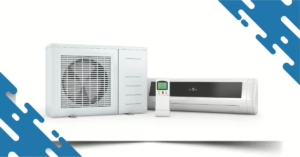
- Ductless mini-split systems: Ductless systems can be useful for additions, garages, individual rooms, or homes where installing traditional ductwork isn’t practical.
- Packaged HVAC units: Packaged systems combine major heating and cooling components into one outdoor unit and may be suitable for certain homes and property layouts.
Each system has different equipment, installation, and labor requirements. The right choice depends on your home’s layout, existing HVAC system, comfort preferences, and budget.
3. Energy Efficiency and SEER2 Rating
Energy efficiency is another important factor when comparing a new AC unit.
You’ll often see air conditioners listed with a SEER2 rating, which measures seasonal cooling efficiency. Generally, higher-efficiency equipment can use less electricity to provide the same amount of cooling, although actual energy savings depend on factors such as usage, system sizing, insulation, ductwork, and thermostat settings.
A higher-efficiency AC system may cost more initially, but it could provide benefits over the life of the equipment.
Potential benefits include:
- Improved energy efficiency
- Lower cooling costs
- Better humidity management
- More consistent comfort
- Quieter operation
- Long-term operating savings
When comparing systems, don’t look only at the purchase price. Consider the equipment’s efficiency, expected operating costs, warranty, and overall value.
4. Installation Labor and HVAC Contractor Experience
The quality of your AC installation matters just as much as the equipment you purchase.
Even a high-quality AC unit may not perform as expected if it is improperly sized or installed.
Professional installation can include:
- Confirming proper system sizing
- Installing indoor and outdoor equipment
- Connecting refrigerant lines
- Electrical connections
- Refrigerant charging
- Airflow testing
- Thermostat setup
- Drainage inspection
- System startup and testing
- Safety checks
An experienced HVAC contractor can help ensure your new air conditioner operates properly and efficiently.
When comparing AC replacement estimates, don’t automatically choose the lowest price. Ask what is included in the installation, what equipment is being installed, what warranty is provided, and whether additional work may be required.
5. Existing Ductwork and Other Home Upgrades
Replacing an AC unit doesn’t always mean simply removing the old equipment and installing a new one.
Your existing ductwork plays an important role in how effectively your HVAC system delivers conditioned air throughout your home.
If your ducts are leaking, damaged, poorly insulated, improperly sized, or restricting airflow, they may require repairs or modifications during an AC replacement.
Other potential upgrades may include:
- Ductwork repair or replacement
- New return air vents
- Refrigerant line modifications
- Condensate drain repairs
- Electrical improvements
- Insulation improvements
- Thermostat replacement
- Air filtration upgrades
- Indoor air quality equipment
Addressing these issues during installation can help your new HVAC system perform more effectively from the beginning.
6. Your Location Within the Ocala Area
Where you live can also influence the cost and availability of AC installation services.
Ocala and surrounding communities experience long, hot, humid cooling seasons, which means air conditioning systems can work hard for much of the year.
Factors such as local labor rates, travel distance, equipment availability, permitting requirements, and seasonal demand may affect installation pricing.
HVAC demand can also increase significantly during periods of extreme Florida heat. When temperatures rise, more homeowners may experience emergency AC breakdowns and need replacement systems quickly.
Planning ahead can give you more time to compare your options rather than waiting until your existing AC unit fails completely.
7. Time of Year
The timing of your AC replacement can affect scheduling and, in some cases, available promotions or installation options.
Florida’s summer heat is typically one of the busiest periods for HVAC companies. Emergency service calls and air conditioner breakdowns can increase when systems are operating continuously.
Planning your AC replacement before peak cooling demand may provide advantages such as:
- More flexible scheduling
- More time to compare AC systems
- Less pressure to make a rushed decision
- Potential seasonal promotions
- An opportunity to replace an aging system before it fails
If your current air conditioner is older, frequently needs repairs, struggles to maintain your desired temperature, or causes unusually high energy bills, it may be worth evaluating replacement options before an emergency occurs.
8. AC Brand, Features, and Warranty Options
The brand and features you select can also affect the cost of your new AC unit.
Modern HVAC systems are available with a wide range of technologies designed to improve comfort, efficiency, airflow, and control.
Depending on the system, available features may include:
- Variable-speed compressors
- Two-stage cooling
- Smart thermostats
- Enhanced humidity control
- Advanced air filtration
- Indoor air quality equipment
- Improved sound reduction
- Extended manufacturer warranties
However, the most expensive system isn’t necessarily the best system for every home.
Instead, compare the AC unit’s efficiency, features, warranty coverage, expected lifespan, installation requirements, and operating costs.
The goal is to find an HVAC system that provides the right balance of comfort, efficiency, reliability, and value.
How to Get the Best Value on a New AC Unit
A new air conditioner is a significant investment, but choosing the cheapest option isn’t always the best way to save money.
When comparing AC replacement and installation estimates in Ocala, consider the complete value of the system.
Look at:
- Proper AC unit sizing
- Installation quality
- Energy efficiency
- SEER2 rating
- Expected operating costs
- Ductwork condition
- Equipment warranty
- Installation warranty
- System features
- Contractor experience
- Long-term reliability
- Customer service
A properly sized and professionally installed AC unit can provide dependable cooling, better comfort, and efficient operation for years.
Schedule Your Free AC Replacement Estimate in Ocala, FL
If your current air conditioner struggles to keep your home comfortable, makes unusual noises, or causes rising energy bills, it may be time to explore your replacement options.
The experienced team at Iron Shield Heating & Air provides honest recommendations, professional AC installation, and dependable service throughout Ocala and the surrounding communities.
Contact us today to schedule your free estimate and speak with one of our HVAC specialists. We’ll help you choose the right cooling system for your home, your comfort, and your budget.
Frequently Asked Questions About AC Units in Ocala, FL
The cost of a new AC unit and installation varies depending on the home’s cooling requirements, system size, efficiency, equipment type, installation complexity, ductwork, electrical requirements, and other factors. An in-home evaluation is the best way to receive an accurate estimate.
The lifespan of an air conditioner depends on factors such as equipment quality, installation, maintenance, usage, and Florida’s hot and humid climate. Regular AC maintenance can help identify problems early and support reliable system operation.
AC size should be determined based on your home’s specific cooling load rather than square footage alone. HVAC professionals can perform a Manual J load calculation to determine the appropriate cooling capacity.
A higher-efficiency AC unit may reduce electricity consumption, but whether the additional upfront cost is worthwhile depends on your home’s cooling needs, energy usage, system size, and how long you plan to operate the system. An HVAC professional can help you compare your options.
The right choice depends on the age and condition of your system, repair history, repair cost, energy efficiency, and expected remaining lifespan. If an older system requires frequent or expensive repairs, AC replacement may provide better long-term value.
Not necessarily. Standard AC installation may not include ductwork repairs or replacement unless they are specifically included in your estimate. If your ducts are damaged, leaking, or improperly sized, your HVAC contractor may recommend additional work.
There isn’t one AC unit that’s best for every home. The ideal system depends on your home’s size, cooling load, ductwork, budget, efficiency goals, and comfort needs. A professional HVAC evaluation can help determine the appropriate system.
A new, properly sized, high-efficiency AC system may use less energy than an older, inefficient system. However, actual savings depend on factors such as system efficiency, thermostat settings, insulation, ductwork, home size, and how often the AC operates.
Installation time varies depending on the type of system, accessibility, ductwork, electrical requirements, and other project-specific factors. Your HVAC contractor should provide an expected installation timeline as part of your estimate.
Related Blog Posts
Read more articles and expert advice related to this service.