
Your air conditioner may be working hard to keep your Belleview home cool, but what happens if the ductwork is leaking, damaged, or poorly connected?
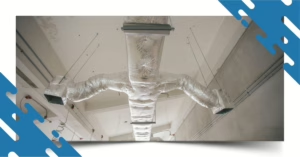
Your ductwork is the hidden pathway that carries conditioned air from your HVAC system to the rooms throughout your home. When ducts have leaks, gaps, poor insulation, blockages, or other problems, your air conditioner may have to work harder to maintain the temperature you want.
That can lead to uneven cooling, weak airflow, higher energy bills, poor indoor air quality, and unnecessary HVAC wear and tear.
The good news? You don’t need specialized equipment to spot some common warning signs.
In this guide, we’ll cover simple ductwork inspection tips for Belleview homeowners, what problems to look for, when professional ductwork inspection may be necessary, and how proper duct maintenance can help improve your home’s comfort and HVAC efficiency.
Why Is Ductwork Important?
Your HVAC system can only perform as well as the system that delivers the conditioned air throughout your home.
When your ductwork is properly connected, sealed, insulated, and free of major obstructions, conditioned air can move efficiently from your air handler or furnace to your living spaces.
However, damaged or leaking ductwork can allow conditioned air to escape before it reaches the rooms where you need it.
Common ductwork problems include:
- Air leaks around duct connections
- Disconnected or loose ducts
- Crushed or kinked duct sections
- Damaged insulation
- Poorly sealed joints
- Dust and debris buildup
- Moisture around ductwork
- Pest or rodent activity
- Blocked return or supply vents
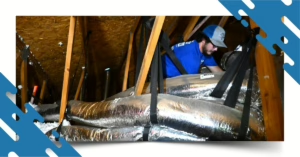
Because much of your ductwork may be located in an attic, crawlspace, ceiling, or behind walls, problems can go unnoticed for months or even years.
Look, Listen, and Feel – Simple Signs Your Ductwork Needs Attention
Your ductwork may be hidden, but your home can give you clues when something isn’t right.
Start with three simple tools you already have: your eyes, ears, and sense of touch.
1. Look Around Your Vents
Take a quick look at the supply and return vents throughout your home.
Watch for:
- Excessive dust: A small amount of dust is normal, but excessive dust around vents or dust blowing from vents when your AC starts could indicate an airflow or ductwork issue.
- Dirty or damaged vent covers: Dark, dusty, or unusually dirty grilles may indicate that the surrounding area needs attention.
- Visible duct damage: If you can safely access your ductwork, look for disconnected joints, torn insulation, holes, rust, or sagging sections.
- Dust streaks: Dust accumulating around duct connections can sometimes indicate air escaping through a gap.
2. Listen for Unusual Sounds
Your ductwork shouldn’t normally be one of the loudest things in your home.
Pay attention to:
- Whistling: May indicate air escaping through gaps or leaks.
- Rattling: Could be caused by loose duct connections or components.
- Banging or popping: Can occur as ducts expand and contract, but frequent or unusually loud noises may warrant an inspection.
- Scratching or scurrying: Could indicate rodents or other pests near or inside accessible ductwork.
Unusual sounds don’t always mean your ducts are damaged, but recurring noises are worth investigating.
3. Feel the Airflow
Walk through your home while your HVAC system is running.
Do some rooms feel significantly warmer or cooler than others?
Uneven temperatures can sometimes be caused by:
- Leaking ductwork
- Blocked ducts
- Poor duct design
- Insufficient insulation
- Restricted airflow
- Problems with the HVAC system itself
If one room is consistently uncomfortable while the rest of the house feels fine, your ductwork could be part of the problem.
If anything feels off, it probably is. These minor signs are your system’s way of whispering, “Help me!” Catching them early can save you from major repairs (and significant headaches) down the road.
Perform a Simple Ductwork Visual Inspection
You don’t need to crawl through your entire attic or purchase specialized equipment to perform a basic visual check.
If you have safe and easy access to exposed ductwork, inspect the areas you can reach without putting yourself at risk.
Check for Visible Ductwork Problems
Look at accessible duct sections in your attic, crawlspace, or mechanical area:
Loose or disconnected duct joints
Visible holes, gaps, or tears
Crushed, bent, or kinked ducts
Moisture spots, mold growth, or musty smells
Dust streaks around duct connections (a clear sign of leaks)
These issues may seem minor, but they can dramatically affect airflow, efficiency, and indoor air quality—especially in Florida’s humid climate.
Inspect the Area Around Your Ducts
Don’t just look at the ducts themselves.
Check surrounding areas for:
- Pest or rodent droppings
- Nesting materials
- Excessive dust
- Water stains
- Condensation
- Musty odors
- Damaged insulation
Florida’s warm and humid climate makes moisture management particularly important. If you notice moisture, mold-like growth, or persistent musty odors around your ductwork, consider having the area professionally evaluated.
Tip: Use your phone’s flashlight for a better look in darker areas—and don’t forget to inspect your air return vents, too. If anything looks suspicious, it’s best to call in a professional before a minor issue turns into a costly repair.
Check Your Air Filters and Vents
Your air filters and vents directly affect ductwork health. When they’re clogged or blocked, the entire system works harder, creating pressure imbalances that stress your ducts. And in Belleview’s heat, that’s no small task.
Keep Filters Clean
How often should you change them? For most homes, cleaning every 1–3 months is a good guideline. If you have pets, allergies, or live near a dusty road (hello, Belleview backroads!), you might need to change them more frequently.
Change them more often if you: have pets, live near dusty roads, have allergies, run your AC often
What happens if you don’t? A clogged filter restricts airflow, which puts pressure on your ducts. Over time, this can lead to leaks, buildup inside the ducts, and even system failure.
Don’t Block Your Vents
Are your vents clear? Make sure furniture, curtains, or rugs aren’t blocking them. Blocked vents not only disrupt airflow—they can also create pressure imbalances in the duct system.
Do your vents look dirty? Dusty or dark vent grilles may indicate a buildup inside your ducts. It may be time for a more thorough inspection or professional cleaning.
Tip: Write the date on your air filter when you change it. It’s a small habit that helps you stay on schedule. Cleaning filters and clearing vents can extend the life of your ductwork and keep your air fresh—something every Belleview family can appreciate, especially during allergy season.
If you’re wondering whether duct cleaning is necessary or how it impacts indoor air quality, the EPA provides a clear, unbiased overview:
Listen for These Warning Sounds from the Ducts
Your ductwork shouldn’t be the loudest thing in your house—if it is, your system might be trying to tell you something. Weird sounds coming from your vents or ceilings aren’t just annoying—they can signal real problems lurking inside your duct system.
Here’s what to keep your ears open for:
Whistling Sounds
It usually means air is escaping from small leaks or gaps in your ductwork. It could also indicate that your air filter is clogged, causing air to force its way through the system.
Banging or Popping Noises
These sounds often happen when ducts expand and contract as they heat up or cool down. Some movement is normal—but loud, frequent banging could mean your ducts are too tight or not adequately secured. Loose connections can also cause rattling or vibration when air is moving through the system.
Scratching or Scurrying
Yep, it could be pests. Rodents and insects love to nest in ductwork—especially if there are minor entry points or torn insulation. These little invaders don’t just make noise—they can damage your ducts and compromise your indoor air quality.
Your ears can be one of your best tools for early duct diagnostics. If you hear these sounds regularly, don’t ignore them. Catching the problem early can save you hundreds on duct repair or replacement.
Know When to Call a Professional
Some ductwork issues are easy to spot—but others are not. Not so much. If you’ve gone through the basics (checked for dust, listened for odd noises, inspected visible ductwork) and still suspect something’s off, it might be time to bring in the experts.
Here’s when it’s wise to call a professional duct inspector in Belleview:
- You’re Not Getting Even Cooling Throughout the House. If some rooms feel like a freezer while others feel like a sauna, you could have blockages or leaks in your ducts. A professional can run airflow tests to identify the problem quickly.
- Your Energy Bills Keep Climbing. Rising energy costs can be a sign your system is working harder than it should—often due to air loss through damaged ductwork. A professional inspection includes checking for leaks with specialized tools you likely don’t have at home.
- You Just Moved In or Renovated. New home? Renovation project? It’s always a good idea to get your ducts checked. Construction debris, shifting ductwork, or changes to your floor plan can mess with airflow and system balance.
- There Are Signs of Mold, Moisture, or Musty Odors. Moisture in ductwork is never a good sign—it could be poor insulation, leaks, or humidity buildup. All of these need fast, professional attention to protect your home and your health.
Protect Your Home and Your Peace of Mind with a Ductwork Inspection
Your home is more than just walls and a roof—it’s where your family lives, breathes and grows together. And while ductwork may be hidden behind the scenes, it plays a crucial role in the comfort, safety, and air quality of the space you call home.
We know that life in Belleview can get busy. It’s easy to overlook something you can’t see every day. But caring for your ductwork is caring for your family’s well-being. Every breath of clean, cool air, every peaceful night’s sleep in a comfortable room—it all begins with a healthy, well-functioning HVAC system, starting with the ducts.
If something doesn’t feel quite right—or even if you want peace of mind—we’re here for you. At Iron Shield Heating and Air, we treat your home as if it were our own. No upsells. No stress. Just honest, reliable ductwork inspections and expert service from a team who truly cares.
Let’s make sure your home is breathing easy.
Contact us today and schedule your ductwork inspection—it’s one small step that makes a big difference.
Because when your home feels good, life feels even better.
Ductwork Inspection FAQs
There isn’t one inspection schedule that applies to every home. Consider having your ductwork evaluated when you notice airflow problems, uneven cooling, unusual noises, rising energy costs, moisture, pest activity, or other concerns. An inspection may also be worthwhile after a major renovation or when purchasing a home.
Common warning signs include uneven temperatures, weak airflow, higher-than-expected cooling costs, whistling sounds, visible gaps or disconnected joints, and dust accumulation around duct connections. A professional HVAC technician can perform a more thorough evaluation to identify potential duct leaks.
Ductwork is part of your home’s air-distribution system, so its condition can affect the overall indoor environment. However, indoor air quality depends on many factors, including filtration, humidity, ventilation, household activities, and the condition of the HVAC system.
No. Duct cleaning isn’t automatically necessary for every home. The need depends on the condition of the duct system and other circumstances. If you’re seeing excessive debris, signs of pests, or other concerns, have the system evaluated by a qualified professional.
Uneven cooling can have several causes, including duct leaks, blocked or undersized ducts, insulation problems, airflow restrictions, solar heat gain, or HVAC equipment issues. A professional HVAC inspection can help identify the underlying cause.
You can perform a basic visual inspection of accessible ductwork, but avoid entering unsafe attic or crawlspace areas. Some ductwork is hidden behind walls or ceilings and requires professional equipment and expertise to evaluate properly.
Florida’s warm, humid climate can make moisture management especially important. Condensation, inadequate insulation, or other moisture-related problems around ductwork should be evaluated to help prevent damage and potential indoor air quality concerns.
It can still be worthwhile to pay attention to your ductwork even when your AC appears to be working properly. Hidden leaks, insulation problems, or disconnected sections may not immediately cause obvious symptoms. Regular HVAC maintenance and professional evaluation can help identify potential problems before they become major issues.
Related Blog Posts
Read more articles and expert advice related to this service.