
Your air conditioning system plays an important role in keeping your home comfortable, especially during Florida’s hot and humid weather. Unfortunately, your HVAC system can also provide shelter for unwanted visitors, including rats, mice, squirrels, insects, and other pests.
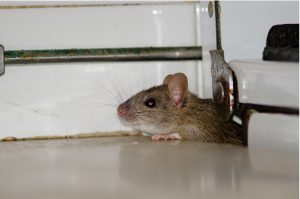
Rodents can enter through small gaps around ductwork, vents, wiring, and outdoor equipment. Once inside, they may chew electrical wires, damage insulation, build nests, block airflow, and potentially affect your indoor air quality.
6 Effective Ways to Protect Your AC from Rats and Other Pests
Here are six effective ways to help keep rodents and pests away from your HVAC system.
1. Inspect and Seal Potential Entry Points
One of the best ways to protect your AC from rats is to prevent them from getting inside in the first place.
Rats and mice can squeeze through surprisingly small openings. Inspect the areas around your HVAC equipment, ductwork, vents, refrigerant lines, electrical wiring, and other exterior penetrations for gaps or damage.
Check Ducts and Vents for Gaps
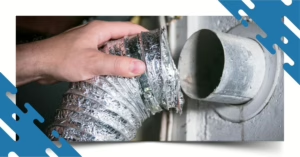
Inspect your air ducts, vents, and exterior openings for cracks, holes, loose connections, or damaged covers.
Small openings can give rodents easy access to your ductwork and attic spaces, where they may build nests or chew insulation and wiring.
Depending on the location, appropriate wire mesh, hardware cloth, or pest-resistant materials can help block vulnerable openings.
Secure Flue and Vent Covers
Make sure exterior HVAC vents and covers are properly installed and secure. Damaged or missing covers can create an easy entry point for rodents and other wildlife.
If you notice a loose or damaged vent cover, have it repaired or replaced rather than leaving the opening exposed.
2. Protect Your Outdoor AC Unit
Your outdoor air conditioning condenser is exposed to the elements, making it vulnerable to rodents, insects, leaves, branches, and other debris.
Keeping the area around your outdoor AC unit clean and accessible can make it less attractive to pests.
Trim Vegetation Around the AC Unit
Overgrown grass, bushes, vines, and tree branches can provide hiding places for rats and other pests.
Keep vegetation trimmed away from your outdoor condenser. A clear area around the unit can also promote better airflow and make it easier to spot signs of pest activity.
Secure Trash Cans and Remove Debris
Food scraps and household garbage can attract rodents to your property.
Keep trash cans tightly closed and remove leaves, branches, cardboard, mulch, and other debris from around your HVAC equipment.
A clean area around your condenser makes it less inviting for rodents looking for food or shelter.
3. Keep Rats and Mice Out of Your Ductwork
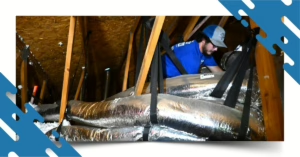
Your air ducts can provide rodents with a warm, protected place to hide and build nests. If pests get into your ductwork, they can potentially damage insulation, restrict airflow, and contribute to unpleasant odors and indoor air quality concerns.
Inspect and Seal Damaged Ductwork
Look for visible holes, disconnected duct sections, damaged insulation, or gaps around duct connections.
Professional HVAC technicians can inspect accessible ductwork and identify areas that may need repair or sealing.
Use Proper Vent Screens and Covers
Exterior vents and other openings should have properly installed covers or pest-resistant screens where appropriate.
Avoid blocking necessary HVAC airflow or ventilation openings with materials that could interfere with system operation. If you’re unsure whether an opening should be screened or sealed, have it evaluated by an HVAC professional.
4. Keep Your HVAC Equipment and Surroundings Clean
Regular cleaning is another important part of protecting your AC from rats and other pests.
Rodents and insects are more likely to hide in areas containing accumulated debris, moisture, or clutter.
Clear Debris From Around the Outdoor Unit
Regularly remove:
- Leaves
- Twigs
- Grass clippings
- Excess mulch
- Cardboard
- Trash
- Other accumulated debris
Keep the condenser area clean and accessible so you can quickly notice signs of pest activity.
Clean Your Gutters and Improve Drainage
Clogged gutters can create excess moisture around your home. Damp areas can attract insects and other pests while potentially contributing to moisture-related problems.
Clean your gutters regularly and make sure water drains away from your home’s foundation and HVAC equipment.
5. Be Careful With Pest Repellents
Some homeowners use pest repellents around areas where they have noticed rodent activity.
Common options include commercial rodent repellents and certain household scents that may discourage pests. However, repellents should be used carefully and according to the product’s instructions.
Physical Barriers Are Often More Reliable
When possible, preventing access is generally more dependable than simply trying to repel rodents.
Appropriate wire mesh, hardware cloth, vent covers, and properly sealed openings can create a physical barrier between pests and your HVAC system.
Never spray chemicals, oils, or other substances directly onto electrical components, air filters, coils, ductwork, or other HVAC components unless the product is specifically designed and approved for that application.
If you have an active infestation, contact a qualified pest control professional rather than relying solely on repellents.
6. Schedule Regular HVAC Cleaning and Professional Maintenance
Routine air conditioning maintenance can help identify problems before they become expensive repairs.
During maintenance, an HVAC professional can inspect accessible components and look for signs of damage, wear, or unusual conditions that could indicate pest activity.
Add These Tasks to Your HVAC Maintenance Routine
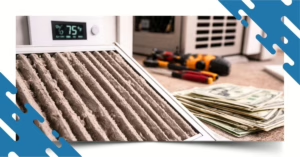
- Inspect and replace dirty air filters
- Check accessible ductwork for damage
- Inspect electrical wiring for signs of chewing or damage
- Check refrigerant lines and surrounding areas
- Inspect and clean condensate drain lines
- Look for signs of rodents, insects, or nesting materials
- Remove debris around the outdoor AC unit
- Check for unusual odors or noises
- Inspect accessible components for damage
- Schedule professional HVAC maintenance as recommended
Regular maintenance can help your air conditioner operate efficiently while giving you an opportunity to catch potential pest-related damage early.
Signs Rats or Other Pests May Be Affecting Your AC
Not sure if rodents have gotten near your HVAC system? Watch for these warning signs:
- Chewed or damaged electrical wiring
- Unusual scratching or movement sounds
- Rodent droppings near HVAC equipment
- Nesting materials around the unit
- Damaged duct insulation
- Unusual odors coming from vents
- Reduced or restricted airflow
- Unexpected HVAC electrical problems
- Visible holes or gaps around vents and ductwork
- Pest activity near your outdoor condenser
If you notice signs of rodents inside or around your HVAC system, don’t ignore them. Damaged wiring can create electrical and safety concerns, while contaminated or damaged ductwork may affect indoor comfort and air quality.
A pest control professional can address the infestation, while an HVAC technician can inspect the system for damage.
Learn More: Six Ways To Keep HVAC Systems Free of Pests
Why Rodents Are Attracted to HVAC Systems
Rats and mice are constantly looking for food, shelter, and protection from the weather.
Your HVAC system may provide access to warm or sheltered areas, particularly around outdoor equipment, ductwork, attics, crawl spaces, and wall penetrations.
Florida’s warm climate can also support year-round pest activity, making rodent prevention and HVAC maintenance especially important for homeowners.
What to Do If Rats Get Into Your AC System
If you suspect rats or mice have entered your air conditioning system, avoid disturbing nests or attempting complicated repairs yourself.
Instead:
- Turn off the HVAC system if you suspect electrical damage.
- Look for visible signs of rodents without disturbing nests or wiring.
- Contact a qualified pest control professional if there is an active infestation.
- Schedule an HVAC inspection to check for damaged wiring, insulation, ductwork, or other components.
- Repair or seal potential entry points to help prevent another infestation.
Addressing the problem early can help prevent a small pest issue from becoming a costly HVAC repair.
Protect Your AC From Rats With Professional HVAC Maintenance
Keeping rodents away from your HVAC system starts with prevention. Sealing entry points, maintaining your ductwork, keeping your outdoor AC unit clean, removing debris, and scheduling professional maintenance can all help reduce the risk of pest-related HVAC damage.
If you suspect rats or other pests have damaged your air conditioning system, Iron Shield Heating & Air can inspect your HVAC system and help identify potential problems.
Need AC maintenance or an HVAC inspection in Ocala, FL?
Iron Shield Heating & Air — We install it, we service it, we stand behind it.
Frequently Asked Questions About Protecting Your AC From Rats
Yes. Rats and mice can chew electrical wiring, insulation, ductwork, and other materials around an HVAC system. Their nesting materials and droppings can also create additional cleanup and sanitation concerns.
Yes. Rats and mice can enter ductwork through damaged ducts, gaps, disconnected sections, or improperly protected exterior openings. Regular duct inspections can help identify potential access points.
Keep your HVAC equipment and surrounding areas clean, seal accessible gaps, maintain proper vent covers and screens, remove sources of food and shelter, and address any rodent activity promptly.
Yes. Rodents commonly chew on various materials, including electrical wiring. Damaged HVAC wiring can cause system malfunctions and may create serious electrical hazards.
Some homeowners use strong scents such as peppermint as a rodent deterrent, but repellents should not be considered a replacement for physical exclusion. Sealing entry points and eliminating access to food and shelter are more important prevention measures.
For many Florida homeowners, having the air conditioning system professionally inspected and maintained at least once a year is a good preventative practice. Your HVAC professional can recommend a maintenance schedule based on your system, usage, and condition.
Don’t disturb the droppings or nesting materials unnecessarily. Contact a pest control professional to address the infestation and have an HVAC technician inspect the system for possible damage, particularly wiring, insulation, ductwork, and other accessible components.
Related Blog Posts
Read more articles and expert advice related to this service.