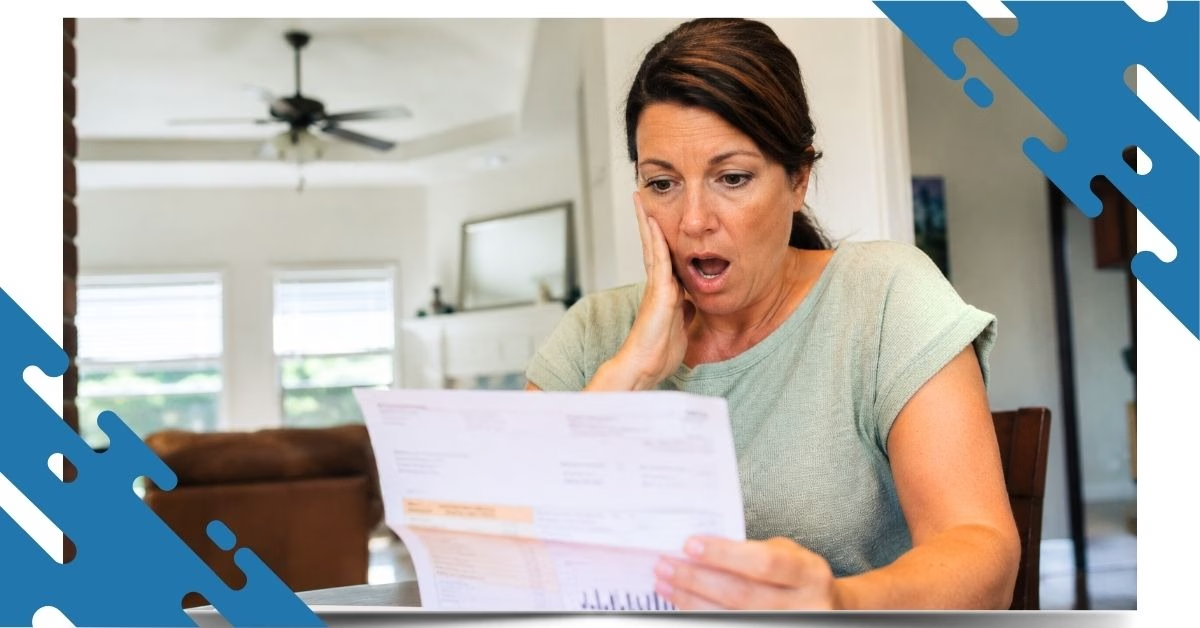
Why are my electric bills so high this summer? If you’ve been asking yourself this after opening your latest utility statement, you’re definitely not imagining it. Many homeowners notice a sudden spike in energy costs during peak heat months, even when daily routines haven’t changed much. The AC runs longer, the house still feels warm, and the bill keeps climbing. It’s frustrating, especially when comfort becomes more expensive every year.
But is your system actually working harder, or is something making it inefficient without you realizing it? Small issues like dirty filters, poor insulation, thermostat settings, or aging HVAC components can quietly drive up your energy use without obvious warning signs.
Why Are My Electric Bills So High This Summer?
Why are my electric bills so high this summer? If you’ve been asking yourself this after opening your latest utility statement, you’re definitely not imagining it. Many homeowners notice a sudden spike in energy costs during peak heat months, even when daily routines haven’t changed much. The AC runs longer, the house still feels warm, and the bill keeps climbing. It’s frustrating, especially when comfort becomes more expensive every year.
But is your system actually working harder, or is something making it inefficient without you realizing it? Small issues like dirty filters, poor insulation, thermostat settings, or aging HVAC components can quietly drive up your energy use without obvious warning signs.
1. Your AC Runs Longer During Hot Weather
As outdoor temperatures climb, your air conditioner must run longer and more frequently to maintain your desired indoor temperature. The longer your AC operates, the more electricity it consumes.
Common signs include:
- AC running almost constantly
- Longer cooling cycles
- Higher monthly energy usage
- Increased wear on HVAC components
2. High Humidity Makes Your AC Work Harder
Summer humidity adds another challenge.
Your air conditioner doesn’t just cool your home—it also removes moisture from the air. High humidity forces your system to run longer before your home feels comfortable, increasing energy consumption even if your thermostat setting stays the same.
3. More Heat Is Entering Your Home
Even an efficient AC struggles if your home constantly gains heat.
Common sources include:
- Direct sunlight through windows
- Poor attic insulation
- Air leaks around windows and doors
- Unsealed ductwork
- Poorly insulated walls
As more heat enters your home, your air conditioner has to work harder to offset it. Homes with poor insulation or inadequate sealing may experience even greater increases in cooling costs.
4. Utility Rates May Increase During Peak Season
Many utility providers charge higher rates during periods of increased electricity demand, especially during summer afternoons.
Even if your electricity usage stays similar, your monthly bill may still increase because of:
- Peak demand pricing
- Time-of-use (TOU) rates
- Seasonal utility rate adjustments
Check your electric provider’s billing structure to understand how rates affect your monthly costs.
5. An Older HVAC System Uses More Electricity
As HVAC systems age, they become less efficient.
Older systems often require more energy to produce the same cooling performance because components gradually wear out.
Older air conditioners may experience:
- Reduced cooling efficiency
- Longer run times
- Frequent repairs
- Higher energy consumption
If your system is over 10–15 years old, replacing it with a high-efficiency unit may significantly lower your monthly energy bills.
Hidden HVAC Problems That Increase Energy Consumption
If your answer to “why are my electric bills so high this summer?” still isn’t clear, the issue may not be obvious at all. Some of the most expensive problems are the ones you can’t easily see—inside your HVAC system itself. These hidden faults force your system to work harder, run longer, and consume more electricity just to deliver the same level of comfort.
Low Refrigerant Levels Reduce Cooling Efficiency
When refrigerant levels are low, your air conditioner cannot effectively absorb and remove heat from inside your home. The system keeps running, but the cooling effect weakens. This leads to longer cycles, higher energy use, and rooms that never quite feel cool enough.
Dirty Evaporator or Condenser Coils Block Heat Transfer
Your AC relies on coils to move heat out of your home. When those coils are covered in dirt or debris, heat exchange becomes less efficient. The system compensates by running longer and working harder, which directly increases your electric bill over time.
Failing Compressor or Electrical Components
The compressor is the core component of your AC system. When it begins to fail, or when electrical parts like capacitors weaken, the system loses efficiency and struggles to maintain consistent cooling. You may notice frequent cycling, delayed cooling, or longer runtime, all of which increase energy consumption.
Improperly Sized HVAC System
If your system is too small, it constantly runs without ever fully cooling your home. If it’s too large, it short-cycles—turning on and off too frequently without efficient dehumidification. Both situations waste energy and drive up monthly costs.
Weak Airflow From Blower Motor Issues
A struggling blower motor or restricted airflow inside the system prevents cooled air from circulating properly. As a result, the AC runs longer to reach the thermostat setting, which increases energy use and puts extra strain on the system.
Costly Habits That Quietly Raise Your Electric Bill
Not every answer to “why are my electric bills so high this summer?” comes from equipment problems. Sometimes, the biggest impact comes from daily habits that seem harmless but quietly force your HVAC system to work harder than it should. These patterns are especially common during peak summer heat when comfort becomes the top priority.
Constant Thermostat Adjustments Confuse Your System
Many homeowners believe lowering the thermostat several degrees will cool the home faster. In reality, your air conditioner cools at the same rate regardless of how low you set the temperature. Frequently adjusting the thermostat can lead to longer cooling cycles and unnecessary energy use.
Choose a comfortable temperature and keep it consistent throughout the day. During summer, many homeowners find that setting the thermostat between 76°F and 78°F provides a good balance between comfort and energy efficiency.
Leaving Doors and Windows Open While AC Is Running
Every time a door or window is left open, cool air escapes and hot outdoor air enters. This forces your air conditioner to work harder to maintain the desired indoor temperature, increasing energy consumption and utility costs.
Keep doors and windows closed whenever your air conditioner is operating. Check for gaps around doors and windows and seal any air leaks with weatherstripping or caulk to prevent conditioned air from escaping.
Running Heat-Generating Appliances During Peak Hours
Ovens, clothes dryers, dishwashers, and other appliances generate additional heat inside your home. During peak afternoon heat, they add to the cooling load and force your air conditioner to work harder.
Whenever possible, run heat-generating appliances during the early morning or evening when outdoor temperatures are lower. This reduces the amount of heat your AC must remove from your home.
Not Taking Advantage of Ceiling Fans
Ceiling fans help circulate cooled air and create a wind-chill effect that makes rooms feel more comfortable. Without it, many homeowners turn the thermostat lower than needed, which leads to higher cooling costs.
Use ceiling fans in occupied rooms and set them to rotate counterclockwise during summer. This directs cool air downward, helping maintain comfort while allowing you to set the thermostat a few degrees higher.
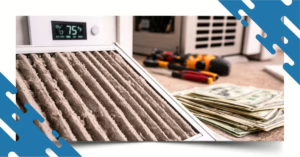
Ignoring Air Filter Changes
A dirty air filter reduces airflow, causing your HVAC system to work harder to cool your home efficiently. Over time, this can lead to higher energy bills, reduced comfort, and unnecessary wear on your equipment.
Check your air filter every month during peak cooling season and replace it when it becomes dirty. Regular filter changes improve airflow, system efficiency, and indoor air quality.
Cooling an Empty Home
Many homeowners leave their thermostat at the same temperature all day, even when no one is home. This means the AC keeps running and cooling an empty house, wasting electricity unnecessarily.
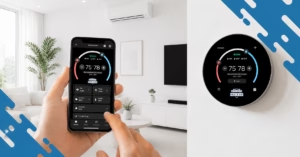
Install a programmable or smart thermostat that automatically adjusts temperatures when the home is unoccupied. This simple upgrade can help reduce cooling costs without sacrificing comfort when you return.
While each of these habits may seem minor on its own, they can add up quickly during the summer months. Making a few simple adjustments can help lower your electric bill, reduce strain on your HVAC system, and keep your home comfortable throughout the season.
When High Bills Mean You Need an HVAC Technician
Sometimes, high electric bills are not just about habits or weather. They can be a sign that your HVAC system is struggling. If your AC is running most of the day but your home still feels warm, something is likely not working efficiently.
You may also notice uneven cooling, weak airflow, or rooms that never seem to reach the right temperature. When the system works harder but delivers less comfort, it uses more electricity. One of the most common causes of sudden higher bills in summer is increased energy use.
If your energy costs keep rising even after changing filters, adjusting habits, and improving airflow, it’s time for a professional inspection. A technician can identify hidden issues and help restore your system’s efficiency before the problem gets worse.
Stop Overpaying for Cooling Costs
High summer electric bills usually don’t come from one single issue. It’s often a mix of extreme heat, daily habits, and an HVAC system that is working harder than it should. The good news is that many of these problems can be fixed with small, practical changes.
When your system is clean, well-maintained, and running efficiently, you get better comfort without the constant energy drain. That means lower bills, fewer breakdowns, and a home that actually stays cool during the hottest days.
If your electric bill is still climbing or your AC is struggling to keep up, it may be time for a professional checkup. Iron Shield Heating & Air can inspect your system, identify hidden issues, and help restore efficiency before small problems turn into costly repairs. Schedule your service today and take control of your cooling costs this summer.
Frequently Asked Questions
Your HVAC system may be running inefficiently because of dirty filters, low refrigerant, duct leaks, poor insulation, or an aging air conditioner. Higher summer utility rates can also increase your bill even if your usage hasn’t changed significantly.
For most homes, 78°F when you’re home and awake provides a good balance between comfort and energy efficiency. When you’re away, increasing the temperature by 7–10°F can help reduce cooling costs.
Yes. A clean air filter improves airflow, allowing your HVAC system to cool your home more efficiently. Dirty filters force your system to work harder, increasing energy consumption and wear on equipment.
During extremely hot or humid days, longer run times can be normal. However, if your system runs continuously and still can’t cool your home, it may indicate low refrigerant, dirty coils, airflow restrictions, or an undersized HVAC system.
If your air conditioner is more than 10–15 years old, upgrading to a modern high-efficiency system can improve comfort, reduce energy usage, lower monthly utility bills, and decrease the likelihood of costly repairs.
Related Blog Posts
Read more articles and expert advice related to this service.