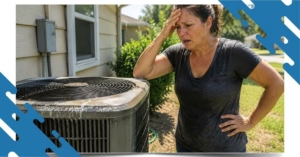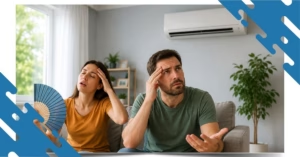
Florida summers are no joke. When a heat wave hits, your AC doesn’t get a break—it runs almost nonstop just to keep your home comfortable. That constant pressure is exactly why so many systems suddenly fail at the worst possible time.
Most issues that lead to an AC breakdown during a Florida heat wave don’t happen overnight. They build up from small problems that go unnoticed. With the right habits and a little preparation, you can keep your system running strong even in extreme heat.
Why Florida Heat Waves Are Hard on Your Air Conditioner
Florida’s combination of high temperatures, humidity, and long cooling seasons forces air conditioners to work much harder than systems in many other parts of the country.
When your AC runs for hours without stopping, every component experiences additional stress, including:
- Compressor
- Condenser coils
- Capacitor
- Fan motors
- Refrigerant system
- Electrical components
Even a small issue can quickly become an expensive repair if ignored during peak summer temperatures.
7 Smart Ways to Prevent an AC Breakdown During a Florida Heat Wave
When temperatures in Florida climb into the extreme zone, your AC isn’t just running—it’s working overtime around the clock. And when that happens, even small issues can turn into a full system failure fast. So the real question is: is your AC actually ready for that kind of pressure, or is it one hot day away from breaking down?
Here are 7 smart ways to keep it running strong when you need it most.
1. Schedule Pre-Season AC Maintenance Before Peak Heat Hits
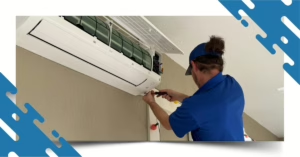
Before Florida’s peak heat arrives, your AC should already be in top condition. The worst time to find out something is wrong is right in the middle of a heat wave—when your system is running nonstop, and stress levels are at their highest.
A complete AC tune-up helps identify small problems before they become major repairs.
During a maintenance visit, an HVAC technician typically checks:
- Refrigerant levels
- Electrical connections
- Capacitors and contactors
- Evaporator and condenser coils
- Thermostat calibration
- Drain line
- Airflow
- System performance
Routine maintenance also improves:
- Energy efficiency
- Cooling performance
- Indoor comfort
- Equipment lifespan
2. Replace Dirty Air Filters Regularly
One of the simplest ways to prevent an AC breakdown during a Florida heat wave is often the most overlooked—your air filter. When filters get clogged with dust, dirt, and pet hair, airflow drops significantly. That forces your system to work harder just to push cool air through your home.
When airflow is restricted, your system has to work much harder to cool your home. This extra strain can lead to:
- Frozen evaporator coils
- Reduced airflow
- Higher utility bills
- Poor indoor air quality
- Compressor damage
How often should you replace your filter?
- Every 1–3 months for most homes
- Every 30–60 days if you have pets
- More frequently during heavy summer use
It’s a small habit, but it makes a big difference in keeping your system running smoothly when temperatures are at their highest.
3. Don’t Ignore Weak Cooling or Strange Noises
Your AC usually gives warning signs before it fails—it just depends on whether you notice them early.
Don’t ignore symptoms like:
- Warm air coming from vents
- Weak airflow
- Strange noises
- Burning odors
- Frequent cycling
- Water leaking around the unit
- Higher electric bills
In Florida heat, these small symptoms can escalate fast. A minor issue like a loose part, failing capacitor, or airflow restriction can quickly turn into a full system shutdown when the unit is under constant demand.
The key is not to wait and see. If something feels off, it’s always better to have it checked right away. Early repairs are almost always simpler and more affordable than emergency breakdowns during peak summer temperatures.
4. Protect Your Outdoor Unit from Heat and Debris
Your outdoor AC unit plays a huge role in keeping your home cool, but it’s constantly exposed to Florida’s harsh conditions. Grass clippings, leaves, dirt, and even overgrown plants can block airflow and make the system work much harder than it should.
When airflow around the condenser is restricted, heat can’t escape properly. That forces the unit to run longer cycles, increasing wear on key components and raising the risk of overheating during extreme temperatures.
To help your AC operate efficiently:
- Keep at least 2–3 feet of clearance around the unit.
- Trim shrubs and plants regularly.
- Remove leaves and debris.
- Gently rinse the condenser with a garden hose when necessary (with the power turned off).
This simple step helps your system breathe easier—and keeps it ready for those intense summer days.
5. Reduce the Cooling Load on Your Home
Florida afternoons are usually the hottest part of the day, and this is exactly when your AC is under the most pressure. If your system is already struggling, pushing it to cool your home too aggressively during peak heat can increase the risk of failure.
Simple changes inside your home can reduce heat gain and improve comfort:
- Keep blinds and curtains closed during the afternoon.
- Use ceiling fans to improve air circulation.
- Avoid using ovens during the hottest part of the day.
- Seal air leaks around doors and windows.
- Set your thermostat to a consistent temperature instead of constantly adjusting it.
Every bit of heat you keep out of your home means less strain on your AC. And less strain means a lower chance of an unexpected breakdown when you need cooling the most.
6. Check Refrigerant Levels Before Summer Peaks
Refrigerant is what allows your AC to actually cool the air inside your home. When levels are low, the system can’t absorb heat properly, which means longer run times, weaker cooling, and added stress on key components like the compressor.
Signs of a refrigerant problem include:
- Warm air from vents
- Ice on refrigerant lines
- Frozen evaporator coils
- Long cooling cycles
- Higher electric bills
Unlike changing an air filter, refrigerant issues require a licensed HVAC technician.
A professional can:
- Check refrigerant pressure
- Find leaks
- Repair damaged lines
- Recharge the system to manufacturer specifications
Because refrigerant handling requires specialized tools and certification, this is not a DIY fix. A professional inspection ensures your system is properly charged and operating safely before the heat wave pushes it to its limits.
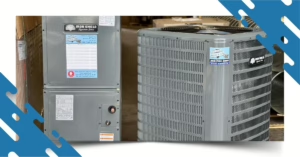
7. Consider Replacing an Older AC System
If your AC is already old, struggling, or needing frequent repairs, Florida’s heat wave is usually when it finally gives out. If your air conditioner is 10–15 years old and requires frequent repairs, replacing it may be the more cost-effective option.
Older systems often:
- Use more electricity
- Cool less efficiently
- Break down more often
- Struggle during Florida heat waves
A new high-efficiency HVAC system offers:
- Lower energy bills
- Better humidity control
- More reliable cooling
- Quieter operation
- Improved indoor comfort
To make the process easier, we also offer flexible financing options from Iron Shield Heating & Air, so you don’t have to delay comfort or safety because of upfront costs.
Stay Ahead of AC Failure This Summer
Florida heat waves don’t give your AC any room to fail. Once temperatures rise, your system is pushed to its limit—and that’s when small, hidden issues can quickly turn into major breakdowns.
The good news is that most of these problems are preventable. With regular maintenance, clean filters, early warning sign awareness, and a few smart habits, you can keep your home cool and your system running reliably all summer long.
If you want peace of mind before the next heat wave hits, now is the best time to act. Schedule your AC tune-up or system inspection with Iron Shield Heating & Air today and make sure your cooling system is ready to handle Florida’s toughest weather without unexpected surprises.
Frequently Asked Questions
Most HVAC professionals recommend scheduling professional AC maintenance at least once a year, ideally in the spring before temperatures begin to rise. Homes that use their air conditioner year-round may benefit from biannual maintenance.
Common causes include:
- Dirty air filters
- Low refrigerant
- Dirty condenser coils
- Electrical component failure
- Lack of preventive maintenance
- Overworked compressors
Extreme heat increases system demand, making existing issues worse.
You can reduce strain by:
- Keeping filters clean
- Closing blinds during sunny afternoons
- Using ceiling fans
- Maintaining a consistent thermostat setting
- Scheduling regular HVAC maintenance
- Keeping the outdoor condenser free of debris
No. Setting the thermostat extremely low won’t cool your home faster. It only forces your AC to run longer. A consistent temperature around 76–78°F while you’re home is generally recommended for comfort and efficiency.
You should consider replacing your AC if it:
- Is over 10–15 years old
- Requires frequent repairs
- Doesn’t cool your home evenly
- Causes unusually high energy bills
- Uses outdated refrigerant
- Struggles to keep up during Florida summers
A newer, energy-efficient system can provide better comfort, lower operating costs, and improved reliability.
During extreme Florida heat, it’s normal for an air conditioner to run longer than usual. However, if it runs continuously without reaching the thermostat setting, the cause could be:
- Dirty air filters
- Low refrigerant
- Dirty coils
- Poor insulation
- Air leaks
- An undersized or aging HVAC system
A professional inspection can identify the underlying issue before it leads to a breakdown.
Related Blog Posts
Explore helpful articles to learn more about this topic.