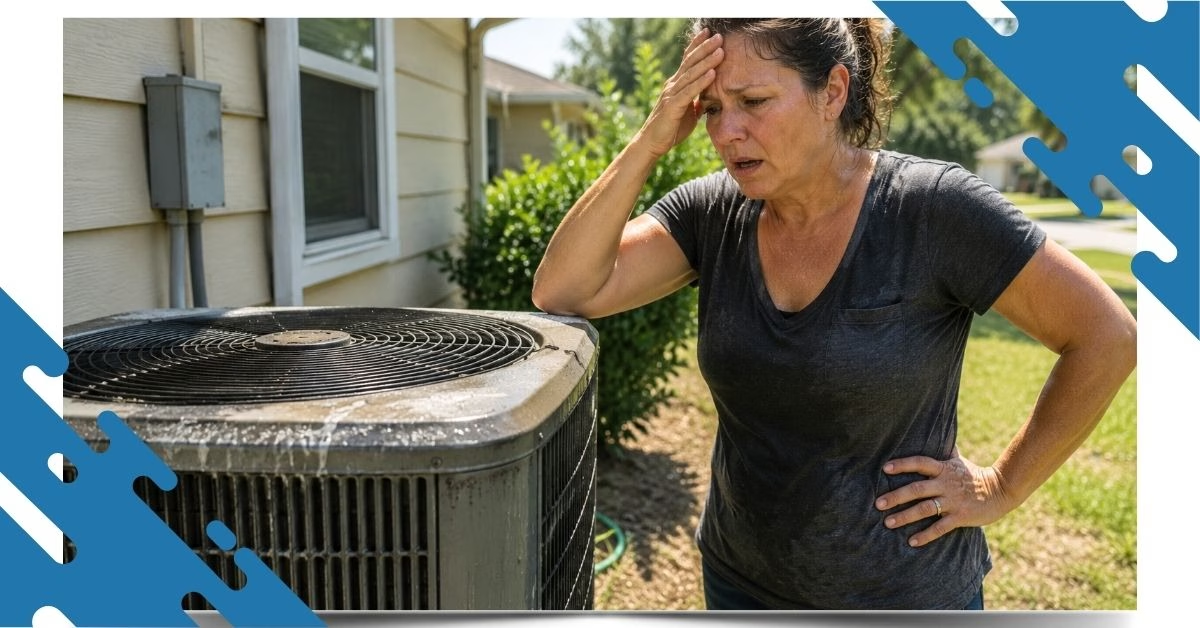
Why Do Air Conditioners Fail During the Summer?
Summer places the greatest demand on your HVAC system. During long periods of extreme heat, your air conditioner runs longer cycles, causing more wear on components like:
- Compressor
- Capacitor
- Blower motor
- Condenser fan
- Evaporator coil
- Refrigerant system
Without regular maintenance, even small issues can become major repairs when your AC is running almost continuously.
7 Warning Signs Your AC Is About to Fail This Summer
If your system has been acting unusually lately, it may already be trying to tell you something. Most homeowners in Ocala, Florida, don’t realize their AC is in trouble until it stops working completely—but by then, the damage (and the repair bill) is often much worse.
Here are the 7 most common signs your AC is heading toward a breakdown, so you can act early and avoid a costly emergency repair.
1. Weak or Inconsistent Cooling
You set your thermostat to 72°F, but your home still feels warm—especially in certain rooms. Sound familiar? One of the first signs of a failing air conditioner is poor cooling performance.
You lower the thermostat, but your home still feels warm. Some rooms stay comfortable while others never seem to cool down.
Common causes include:
- Low refrigerant
- Dirty air filter
- Frozen evaporator coil
- Dirty condenser coil
- Failing compressor
- Incorrect thermostat settings
If your AC is blowing warm air, don’t ignore it. Continuing to run the system can place additional stress on major components and increase repair costs.
2. Unusual Noises Coming From the Unit
Your AC should not sound like it’s struggling to survive. If you start hearing banging, rattling, buzzing, or even high-pitched squealing, something is definitely off. In many Ocala homes, homeowners first notice it at night when the house is quiet—and suddenly the outdoor unit sounds louder than usual.
These noises often indicate loose parts, a failing motor, or internal components wearing out. It may still be cooling for now, but these sounds are a warning that your AC will fail this summer if the issue is ignored. The longer it runs like this, the higher the chance of a sudden breakdown when temperatures peak.
3. AC Is Running Constantly Without Shutting Off
If your AC seems like it never takes a break, that’s a red flag—especially during Ocala’s peak summer heat. You might notice it runs all day, even at night, but your home still doesn’t feel as cool as it should. It can feel like your system is working harder but getting nowhere.
This usually means the unit is struggling to reach the temperature you set on the thermostat. Possible causes include:
- Dirty coils
- Low refrigerant
- Poor insulation
- Air leaks
- Aging equipment
- Improper system sizing
A constantly running AC not only increases wear but can also significantly raise your monthly utility bills.
4. Weak Airflow From Vents
Have you ever placed your hand over a vent and barely felt any air coming out? Maybe one room feels stuffy while another gets decent airflow.
Weak airflow usually means your HVAC system isn’t moving enough conditioned air throughout your home.
Signs include:
- Some rooms feel warmer than others.
- Air barely comes from the vents.
- The system runs longer than normal.
- Uneven temperatures throughout the house.
Common causes include:
- Dirty air filters
- Blocked vents
- Duct leaks
- Blower motor failure
- Damaged ductwork
While it may seem like a minor annoyance at first, restricted airflow forces your system to work harder to cool your home. Over time, that extra strain can lead to higher energy bills, increased wear and tear, and eventually a breakdown.
5. Strange Odors When the AC Turns On
Have you noticed an unusual smell when your AC starts running? Maybe it smells musty after the system kicks on, or you catch a burning odor coming from the vents. While it’s easy to dismiss these smells at first, they can be warning signs of a bigger problem.
Musty Odor usually indicates:
- Mold
- Mildew
- Moisture inside ductwork
- Dirty evaporator coil
Burning Smell May indicate:
- Electrical problems
- Overheated motor
- Failing wiring
- Damaged capacitor
If you notice a burning odor, turn off the system and contact an HVAC professional immediately.
6. Rising Energy Bills Without Increased Usage
Did your electric bill suddenly jump even though your cooling habits haven’t changed? Many Ocala homeowners are surprised when they compare their utility bills and notice they’re paying significantly more to keep their homes comfortable.
As AC systems age or develop mechanical issues, they become less efficient. That means they use more electricity to produce the same amount of cooling. Dirty coils, worn components, refrigerant problems, and restricted airflow can all force the system to work harder than it should. If your energy costs keep climbing without a clear reason, your AC may be losing efficiency and heading toward failure.
7. You're Calling for Repairs More Often
Have you called for AC repairs more than once in the past year? Maybe one issue gets fixed, only for another problem to appear a few weeks or months later. While occasional repairs are normal, frequent service calls are often a sign that your system is nearing the end of its reliable lifespan.
Many homeowners in Ocala continue repairing an aging unit because it still turns on and cools the house. However, those repair costs can add up quickly. If your AC is constantly breaking down, struggling to keep up, and requiring repeated fixes, it may be telling you that a major failure is on the horizon.
Common signs include:
- Frequent breakdowns
- Expensive repairs
- Reduced cooling performance
- Higher energy bills
- Aging equipment (10–15+ years)
Should You Repair or Replace Your Air Conditioner?
In many cases, repairs are the right choice—especially if your system is relatively new and the issue is minor.
However, replacement may be the better investment if:
- Your system is over 10–15 years old.
- Repairs are becoming frequent.
- Energy bills continue to rise.
- Your home isn’t cooling evenly.
- Major components like the compressor have failed.
A professional HVAC inspection can help determine the most cost-effective solution.
How to Prevent an AC Breakdown This Summer
Preventive maintenance is one of the easiest ways to avoid unexpected HVAC repairs.
We recommend:
- Change your air filter every 1–3 months.
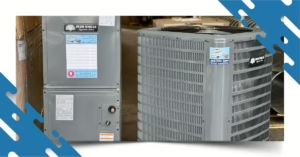
- Keep the outdoor condenser free of debris.
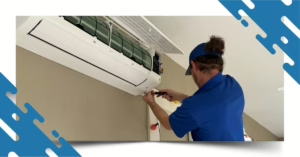
- Schedule annual AC maintenance.
- Seal air leaks around doors and windows.
- Keep supply and return vents unobstructed.
- Address unusual noises or odors immediately.
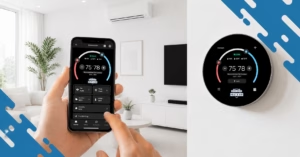
- Install a programmable or smart thermostat to improve efficiency.
Regular maintenance helps improve system performance, lower energy costs, and extend the life of your air conditioner.
Frequently Asked Questions
Common warning signs include weak cooling, unusual noises, poor airflow, frequent cycling, rising energy bills, unpleasant odors, and recurring repairs.
This may be caused by a dirty air filter, low refrigerant, frozen evaporator coils, dirty condenser coils, thermostat issues, or compressor problems. A professional inspection can identify the exact cause.
Most central air conditioning systems last 10–15 years, although well-maintained units can sometimes operate efficiently for up to 20 years.
If your system is older, requires frequent repairs, or struggles to cool your home efficiently, replacing it may provide better long-term value. New high-efficiency systems can also help reduce energy costs.
Most HVAC professionals recommend scheduling professional maintenance at least once a year, ideally in the spring before the hottest weather arrives.
Yes. A clogged air filter restricts airflow, forcing your air conditioner to work harder. Over time, this can lead to frozen coils, higher energy bills, reduced efficiency, and unnecessary wear on major components.
Don’t Wait for a Full AC Breakdown This Summer
If you’ve noticed one or more of these warning signs, don’t ignore them—especially in the middle of an Ocala, Florida, summer. Small issues like weak cooling, strange noises, or rising energy bills can quickly turn into a full system failure when your AC is already under heavy strain. The reality is, these are often early indicators that your AC will fail this summer if nothing is done.
The best time to act is before your system stops working completely. A professional inspection can catch hidden problems early, improve efficiency, and help you avoid costly emergency repairs during the hottest days of the year.
Related Blog Posts
Explore expert blog posts filled with HVAC tips, troubleshooting advice, maintenance guides, and energy-saving solutions to help you make informed decisions about your home’s comfort.