Ever looked at your energy bill and wondered, “Why is this so high when my HVAC system hasn’t changed?”
A common but often overlooked cause of higher energy bills is dirty air filters. When filters become clogged, they restrict airflow, forcing your HVAC system to work harder and reducing overall efficiency. What starts as a minor issue can quickly lead to significantly higher energy costs if left unaddressed.
As an HVAC technician, I’ve seen this more times than I can count. A homeowner calls in, frustrated about high energy bills or weak airflow, expecting a major system problem. Then I pull out the air filter—and it’s packed with dust. In many cases, that simple clogged air filter is the root of the problem. No expensive repair needed. Just a basic fix that was easy to miss.
Your HVAC system runs continuously to maintain a comfortable temperature in your home. When airflow is restricted, it must run longer and consume more energy to maintain the same temperature. Over time, this extra strain reduces efficiency, increases energy costs, and can even shorten the system’s lifespan.
What Are Dirty Air Filters (And Why They Matter More Than You Think)
Let me walk you through this the same way I explain it to homeowners during a service call.
Your air filter isn’t just there to “catch dust.” It’s the gatekeeper of your entire HVAC system. Every bit of air that flows through your home passes through that filter first. When it’s clean, airflow is smooth, your system runs efficiently, and your indoor air stays healthy. Once the air filter becomes dirty, airflow and system performance start to decline.
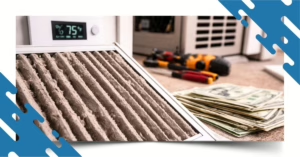
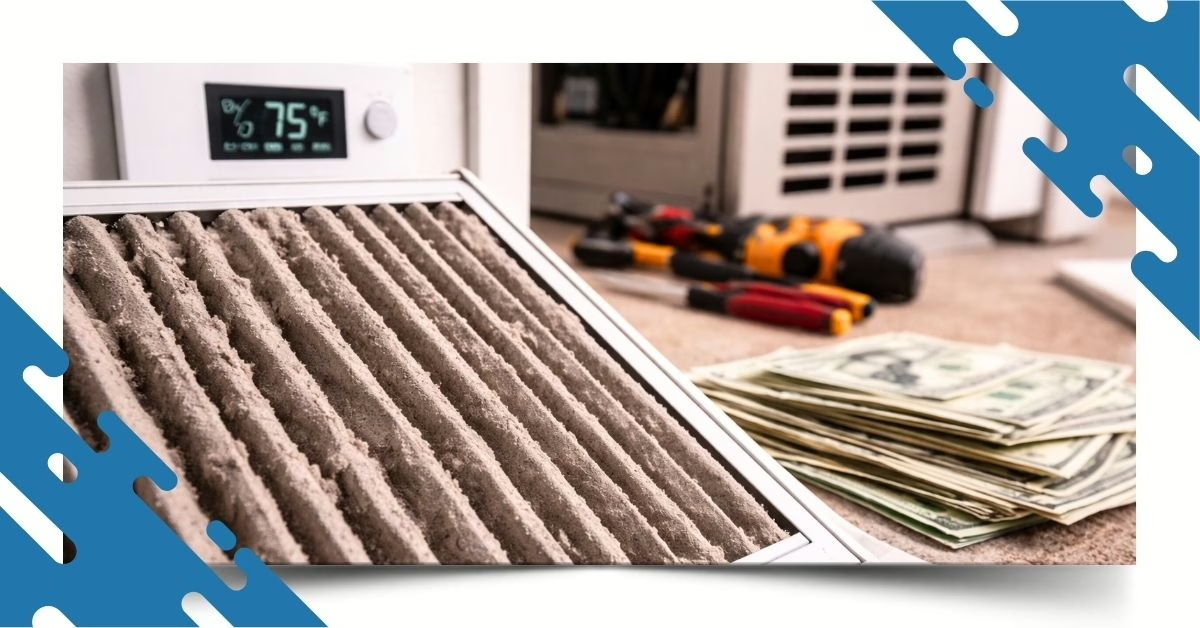
I’ve pulled out filters so clogged they looked like a carpet. And the homeowner? They had no idea. They just knew their house wasn’t cooling right, and their energy bills were creeping up.
Here’s where it gets interesting—and a little frustrating.
A clogged air filter limits airflow, forcing your HVAC system to work harder to circulate air efficiently. That strain doesn’t just affect comfort—it hits efficiency, performance, and cost. In fact, when airflow is blocked, your AC can’t cool properly, runs longer cycles, and starts using more energy than it should.
If you want a deeper breakdown of what actually happens inside your system, this guide does a solid job explaining it.
And honestly, that lines up perfectly with real-life service calls. One homeowner I helped last summer kept lowering the thermostat, thinking the AC was “getting weaker.” Turns out, the air was cold—it just couldn’t move. The filter was completely blocked.
That’s the part most people miss.
It’s not always a broken system. Sometimes, it’s just a dirty air filter quietly holding everything back.
Do Dirty Air Filters Really Increase Energy Bills?
You might be thinking, “Okay, I get that a dirty air filter makes my AC work harder—but is it really enough to affect my energy bills?” The short answer: absolutely. And the numbers don’t lie.
When airflow is restricted, your HVAC system has to run longer cycles to reach the temperature you set on your thermostat. That extra runtime translates directly into higher energy usage. In fact, studies show that a clogged filter can increase energy consumption by 5–15% — sometimes even more if the filter has been ignored for months. That could mean an extra $50 to $100 a month on your bill, depending on your system and local energy rates.
It’s not just the money, either. The longer your system runs, the more wear and tear it experiences. Fans, compressors, and motors all work harder, which increases the likelihood of breakdowns and costly repairs. I’ve seen systems fail prematurely, and more often than not, the root cause was neglected air filters.
Even small particles trapped in the filter can make a huge difference. Dust, pollen, and pet hair create resistance in the airflow. That means your AC or furnace isn’t just using more electricity—it’s fighting itself to keep your home comfortable.
How Dirty Air Filters Push Your Energy Bills Higher
Let me explain what I see almost every day when I’m in the field. You might not realize it, but a dirty air filter doesn’t just sit there collecting dust—it actively changes how your HVAC system behaves. And most of the time, it’s quietly inflating your energy bills without you noticing.
1. Restricted Airflow Makes Your System Struggle
Imagine trying to breathe through a straw all day. That’s what your HVAC system experiences when the air filter is clogged. The blower has to push harder to move air through your home. The result? More energy is used just to accomplish the same job. I’ve had homeowners tell me their vents felt weak, only to find the filter was so full of dust it looked like a miniature brick wall.
2. Longer Run Times = More Energy Consumption
When airflow is restricted, your system runs longer to reach the thermostat temperature. That means your AC or furnace isn’t cycling normally. It’s running almost constantly, which is a surefire way to see your electricity bill spike. One client last summer saw a 20% increase in energy usage—and the only fix was replacing the filter. No major repairs, no fancy upgrades.
3. Reduced Efficiency Affects Comfort
Even if your system eventually reaches the desired temperature, it’s not doing it efficiently. Rooms might stay warmer or cooler than expected, and the system is always working at a higher load. I’ve been called to homes where people cranked the thermostat lower because the living room felt warmer than the bedroom. Nine times out of ten, the culprit was a dirty air filter restricting airflow.
4. Extra Wear and Tear Can Lead to Expensive Repairs
All that strain doesn’t just cost energy—it costs your system’s health. Motors, fans, and compressors wear out faster when they’re overworked. I’ve seen entire blower motors fail because of months of neglect. And unfortunately, homeowners often think a “broken AC” means it’s time for a new system, when a simple filter replacement could have prevented the issue entirely.
A dirty air filter is like a silent energy thief. It drains your wallet, stresses your HVAC system, and quietly reduces comfort in your home—all while you’re none the wiser.
Common Signs Your Air Filter Needs Replacing
Most homeowners don’t realize their energy bills are being inflated by something as simple as a dirty air filter—until it becomes obvious. But there are some warning signs you can catch early if you know what to look for.
Rising Energy Bills
Unexpected spikes in your electricity bill? A dirty or clogged HVAC filter forces your system to work harder, elevating energy demands.
Weak or Uneven Airflow
Some rooms stay too hot or cold, or vents barely blow air. Restricted airflow from a dirty filter is often the cause.
Extra Dust on Home
Dust settling faster than usual? A full filter can’t trap particles, letting them circulate throughout your house.
HVAC Running Constantly
If your system never seems to shut off, it’s likely struggling to reach the temperature because the filter is clogged.
Increased Allergy Symptoms
Sneezing or allergy flare-ups at home? A dirty filter fails to capture pollen, pet dander, and dust effectively.
Spotting these signs early can save you money and prevent bigger repairs. And the best part? Fixing it is usually as simple as replacing the filter.
What Happens If You Never Change Your Air Filter?
Ignoring air filter maintenance can lead to several costly problems:
- Higher monthly energy bills
- Reduced HVAC efficiency
- Poor indoor air quality
- Frozen evaporator coils
- Overheated furnace components
- Frequent HVAC repairs
- Shorter system lifespan
- Increased risk of breakdowns during extreme weather
Replacing an inexpensive filter is far cheaper than repairing or replacing major HVAC equipment.
How Often Should You Change Your HVAC Air Filter?
This is one of the most common questions I hear from homeowners. While there isn’t a one-size-fits-all answer, there are practical guidelines you can follow to keep your HVAC system running efficiently.
For most homes, I recommend checking your air filter every month and replacing it at least every 1–3 months. That might sound frequent, but think of it as a small habit that saves hundreds of dollars in energy bills and prevents system strain.
A few factors can change that timeline:
Pets
Homes with dogs or cats may need filter changes every month. Pet hair and dander clog filters faster than dust alone.
Allergies
If anyone in the house suffers from allergies, more frequent filter changes improve indoor air quality and reduce triggers.
High Usage
If your system runs constantly during summer or winter, your filter will fill up more quickly.
| Home Situation | Recommended Replacement |
| Standard household | Every 1–3 months |
| Homes with pets | Every 30–60 days |
| Allergy or asthma sufferers | Every 30–45 days |
| Vacation homes | Every 2–3 months |
| High HVAC usage (Florida summers) | Check monthly and replace as needed |
Spotting these signs early can save you money and prevent bigger repairs. And the best part? Fixing it is usually as simple as replacing the filter.
Even if you don’t replace it every month, inspect it monthly to ensure it isn’t becoming clogged.
- Mark your calendar or set a phone reminder. It only takes a few minutes, but it keeps your system happy and your energy bills lower.
Tips to Keep Your HVAC System Running Efficiently
Changing your air filter is only one part of maintaining an energy-efficient HVAC system.
You can also:
- Schedule annual HVAC maintenance
- Keep supply and return vents unobstructed
- Seal duct leaks
- Install a programmable or smart thermostat
- Keep outdoor condenser units free of debris
- Replace aging HVAC equipment when efficiency declines
Regular maintenance helps maximize comfort while minimizing energy costs.
Why HVAC Maintenance Matters
A clean air filter helps, but it’s only one piece of the puzzle.
Professional HVAC maintenance includes:
- Checking refrigerant levels
- Inspecting electrical components
- Cleaning evaporator and condenser coils
- Testing airflow
- Checking thermostat calibration
- Inspecting blower motors
- Verifying system efficiency
- Identifying small issues before they become costly repairs
Routine maintenance helps improve performance, extend equipment life, and reduce unexpected breakdowns.
Frequently Asked Questions
Yes. A clogged air filter restricts airflow, forcing your HVAC system to work harder and run longer. According to the U.S. Department of Energy, replacing a dirty filter can reduce energy consumption by 5% to 15%.
Check the filter once a month. If it’s covered with dust, dirt, pet hair, or appears gray instead of white, it’s time for a replacement.
Yes. A clean filter restores proper airflow, allowing your HVAC system to cool and heat your home more efficiently.
Yes. Restricted airflow can lead to frozen evaporator coils, overheating, increased wear on the blower motor, and compressor damage over time.
For most homes, a MERV 8–11 filter provides an excellent balance between filtration and airflow. If you have allergies, pets, or respiratory concerns, consult an HVAC professional before using higher-MERV filters to ensure your system can handle the increased resistance.
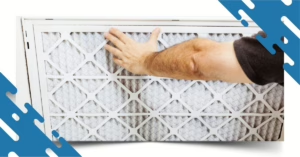
Absolutely. Most homeowners can replace their HVAC air filter in just a few minutes. Always install the correct filter size and ensure the airflow arrow points toward the HVAC unit.
Yes. Filters collect microscopic particles that aren’t always visible. Following the recommended replacement schedule helps maintain efficiency and protect your HVAC system.
Don’t let a dirty air filter silently inflate your energy bills.
One small step—replacing or inspecting your filter—can make a huge difference in comfort, efficiency, and your wallet.
Related Blog Posts
Read more articles and expert advice related to this service.