
When you turn on your HVAC system for heat, you expect warm, comfortable air to come from the vents. But what happens when the air stays cool, one room feels colder than another, or your system seems to run constantly?
One possible cause is a problem with the heating coils in your HVAC system.
Heating coils—often called electric heat strips, resistance heating elements, or auxiliary heat depending on the system—can play an important role in providing supplemental heat, particularly in electric air handlers and heat pump systems.
Understanding what heating coils do, how they work, what can cause problems, and when to call an HVAC professional can help you catch issues before they lead to an unexpected breakdown.
In this guide, we’ll explain everything homeowners should know about heating coils in HVAC systems, including common problems, warning signs, maintenance tips, repair options, and frequently asked questions.
What Are Heating Coils in HVAC?
Heating coils are components used to add heat to the air moving through certain HVAC systems.
In many residential heat pump systems, electric resistance heating elements are installed inside the indoor air handler. These elements can provide supplemental or auxiliary heat when the heat pump needs additional heating capacity.
Unlike a heat pump, which transfers heat from one location to another, electric resistance heating produces heat directly when electricity passes through a resistance element.
You can think of the process somewhat like an electric space heater: electrical energy passes through a resistive element, causing it to heat up. The HVAC blower then moves air across the heated elements and distributes the warmed air through the home’s ductwork.

Common Types of HVAC Heating Coils
Homeowners may encounter several types of heating components depending on their HVAC system:
Electric resistance heating coils
These use electricity to generate heat and are commonly installed in electric air handlers and some heat pump systems.
Auxiliary heat coils
These provide additional heating when a heat pump cannot meet the thermostat’s demand on its own. Auxiliary heat may also operate during certain heat pump operating conditions, such as defrost cycles.
Emergency heat
On many heat pump systems, the emergency heat setting uses supplemental heating—often electric resistance heat—without relying on the heat pump’s normal heating operation.
The exact configuration varies by equipment, so homeowners should always refer to the manufacturer’s specifications or have an HVAC technician identify the system.
How Do Heating Coils Work?
- Thermostat sends the signal – You adjust the temperature, and your system gets the message.
- Coils heat up – Electricity powers the coils, bringing them to high temperatures.
- Air passes over the coils – The blower moves cool air across the heated surface.
- Warm air fills your home – That warmed air gets delivered through vents, keeping rooms cozy.
Heating Coils vs. Heat Pump: What's the Difference?
This is an important distinction.
A heat pump does not primarily create heat using electric heating coils. Instead, it uses electricity to move heat from one place to another. During heating mode, the refrigeration system extracts heat from outdoor air and transfers it indoors.
Electric resistance heating coils work differently. They generate heat directly from electrical resistance.
In many heat pump systems, both technologies can work together:
- The heat pump provides the primary heating.
- Auxiliary electric heating coils provide supplemental heat when necessary.
- The thermostat and HVAC controls determine when supplemental heat should operate.
Because electric resistance heating can use substantially more electricity than heat-pump operation, unnecessary auxiliary heat can contribute to higher energy consumption. ENERGY STAR materials specifically identify electric resistance auxiliary heat as a higher-cost operating mode for heat pumps.
Signs Your Heating Coils May Have a Problem
Heating coils rarely stop working all at once. Instead, they drop little hints that something isn’t right. The sooner you notice these signs, the easier it is to get them fixed before winter really sets in. Here are six common warning signals to watch for:
Spotting just one of these doesn’t always mean disaster, but if you notice a few happening together, it’s worth having your system checked before things get worse.
Uneven heating around the house
One room feels cozy while another stays chilly, no matter how high you set the thermostat.
Strange smells when you turn on the heat
A faint burning or metallic odor could mean dust buildup or overheating.
Rising energy bills
If your power bill climbs but your habits haven’t changed, your system may be working harder than it should.
System runs longer than usual
The heater seems like it never takes a break, yet your home still isn’t warming up properly.
Cool or lukewarm air from vents
The fan is blowing, but the air feels no warmer than the room itself.
Breaker trips often
Faulty or failing coils can cause your HVAC to draw more power than it should, which sometimes trips the breaker.
Common Causes of Heating Coil Issues
When heating coils in HVAC systems stop working properly, there’s usually a straightforward reason behind it. Here are six of the most common causes:
Catching these causes early keeps your HVAC system running smoothly and saves you from a chilly surprise in the middle of winter.
Dust and dirt buildup
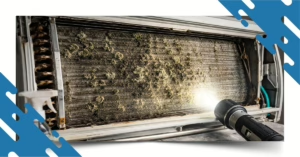
Over time, dust settles on the coils. When the heat kicks on, that dust burns, causing odors and lowering efficiency.
Normal wear and tear
Heating coils handle high heat and electricity every season. After years of use, they can simply burn out.
Clogged air filters
A dirty filter restricts airflow, which can make the coils overheat and work harder than they should.
Electrical problems
Power surges, loose connections, or tripped breakers can stop coils from heating the air as it is supposed to.
Poor airflow in the system
Blocked vents, leaky ductwork, or even closed registers reduce air passes over the coils, cutting down on heating power.
Lack of routine maintenance
Skipping seasonal tune-ups allows small issues—like dirt buildup or minor electrical problems—to turn into bigger coil failures.
Can Homeowners Fix Heating Coils?
Here’s the honest truth: when it comes to heating coils in HVAC systems, there’s only so much you can safely do on your own. These parts deal with high heat and electricity, which makes them a little risky to tinker with without the right training. But that doesn’t mean you’re powerless—there are a few simple things homeowners can handle.
- Change your air filters regularly. This is the easiest and most effective step. A clean filter keeps airflow steady and prevents coils from overheating.
- Keep vents and registers clear. Move furniture or rugs that block airflow, so your system can circulate air properly.
- Watch for early warning signs. Pay attention to smells, uneven heating, or higher energy bills—these are clues your coils may need attention.
- Repairing or replacing the coils.
- Handling electrical connections.
- Diagnosing why the system is blowing cool air.
How to Keep Heating Coils in Good Shape
A clogged filter is one of the fastest ways to stress out your coils. Swap them out every 1–3 months, depending on your home and lifestyle.
Think of it like a wellness check for your HVAC. A technician can clean the coils, check electrical parts, and catch small problems before they turn into expensive repairs.
Blocked vents reduce airflow, which makes the coils work harder. Make it a habit to check that furniture, curtains, or rugs aren’t covering them.
Cranking the heat way up won’t warm the house faster—it just makes the system run longer. Setting it a few degrees lower and keeping it steady helps ease the load on your coils.
If you smell something odd, hear the system running more than usual, or notice uneven heating, don’t ignore it. These are your system’s early warning signs.
When to Call the Experts
- Cool air blowing when the heat is on
If your vents are pushing out nothing but lukewarm air, the coils may not be heating at all. - Breaker trips or electrical issues
Repeatedly resetting the breaker is a sign of a bigger problem that needs safe, professional handling. - Burning or metallic smells that don’t go away
A brief dusty smell is normal at the start of heating season, but strong or ongoing odors can point to coil or wiring issues. - No improvement after basic fixes
If you’ve changed the filters, checked the vents, and still can’t get warm air, it’s time to call in help. - The system is old or overdue for service
Heating coils don’t last forever. If your system is more than 10 years old and hasn’t had a check-up lately, scheduling one is a smart move.
Keeping Your Home Warm Starts With Healthy Heating Coils
Frequently Asked Questions About Heating Coils in HVAC
Heating coils are heating components used in certain HVAC systems to warm air. In electric air handlers and many heat pump systems, these are commonly electric resistance heating elements that provide supplemental or auxiliary heat.
No. Not all HVAC systems use electric heating coils. Gas furnaces use burners and a heat exchanger to produce heat, while heat pumps primarily transfer heat through the refrigeration cycle. Some heat pump systems also include electric resistance heating for supplemental heat.
In many residential HVAC systems, the terms heat strips, heat strip kit, electric heat strips, heating elements, and electric resistance heat may refer to the same or closely related components. Exact terminology varies by manufacturer and system design.
Auxiliary heat usually means the heat pump’s supplemental heating system has been activated. This can happen when additional heating capacity is needed or during certain operating conditions.
Occasional auxiliary heat operation can be normal. Frequent or unexpected operation should be evaluated by an HVAC professional.
Electric resistance auxiliary heat can use more electricity than normal heat-pump operation. ENERGY STAR materials recognize electric resistance auxiliary heat as a higher-cost operating mode.
If your auxiliary heat appears to run constantly, have your HVAC system inspected.
There is no single lifespan that applies to every heating coil. Longevity depends on equipment design, usage, electrical conditions, maintenance, airflow, and other factors.
A technician can determine whether a heating element is repairable or needs replacement.
A dirty filter restricts airflow, which can place additional stress on HVAC equipment and reduce system performance. Replacing filters as recommended helps maintain proper airflow and protect HVAC components.
A temporary dusty odor may occur when heating equipment is first used after a period of inactivity.
A strong, persistent, or electrical burning smell is different and should be investigated. Turn off the system if you suspect overheating or an electrical problem and contact an HVAC professional.
Repeated breaker trips can indicate an electrical problem, excessive electrical load, a failed heating element, wiring issue, or another equipment problem.
Don’t repeatedly reset the breaker. Have a qualified HVAC professional diagnose the system.
Heating coils involve high-temperature and electrical components. Coil testing, electrical troubleshooting, and heating element replacement are best handled by a qualified HVAC technician.
Homeowners can safely focus on routine tasks such as replacing filters and keeping vents clear.
Not necessarily. A failed heating element may be repairable or replaceable without replacing the entire HVAC system.
However, if the equipment is older, requires frequent repairs, has major component failures, or is no longer cost-effective to repair, replacement may make more sense.
An HVAC professional can help you compare the repair and replacement options.
Related Blog Posts
Read more articles and expert advice related to this service.