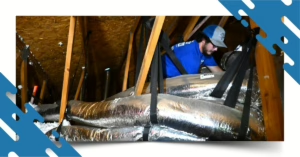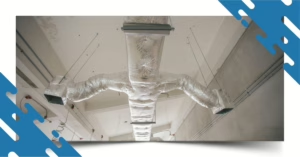

If you live in The Villages, you know how much your HVAC system works throughout the year. Florida’s heat, humidity, pollen, and everyday household dust can all contribute to buildup around your heating and cooling system. Over time, homeowners may notice more dust, unusual odors, reduced airflow, or other signs that their ductwork and HVAC components need attention.
But does every home need professional duct cleaning in The Villages? Not necessarily.
The U.S. Environmental Protection Agency (EPA) does not recommend routine air duct cleaning on a fixed annual schedule. Instead, duct cleaning is generally worth considering when there is substantial contamination, visible mold growth in appropriate parts of the system, pest activity, excessive dust and debris, or particles being released from supply registers.
For homeowners in The Villages, understanding when duct cleaning makes sense can help you make an informed decision about your indoor air quality and HVAC system.
What Is Air Duct Cleaning?
Air duct cleaning involves removing accumulated dust, debris, and other contaminants from accessible components of a forced-air HVAC system.
A thorough HVAC system cleaning may include:
- Supply and return air ducts
- Registers and grilles
- Air handler components
- Blower and fan housing
- Cooling coils
- Condensate drain pans
- Other accessible HVAC components
Cleaning the ducts may not address contamination elsewhere in the HVAC system. If multiple components are contaminated, leaving one area dirty can contribute to recontamination.
Professional duct cleaning typically uses specialized agitation tools and high-powered vacuum equipment to remove accumulated debris while protecting the ductwork and surrounding areas.
Why Duct Cleaning May Matter in The Villages
Florida homes face unique indoor-air challenges. Air conditioning systems operate frequently, while humidity and moisture can contribute to conditions that support biological growth if problems are not properly controlled.
Your HVAC system continuously circulates indoor air. If significant amounts of dust or debris have accumulated inside the system, or if there is a confirmed contamination issue, professional cleaning may help remove that buildup.
However, it is important to keep expectations realistic. Duct cleaning has not been proven to prevent health problems, and ordinary household dust inside ducts does not automatically mean the air in your home is unsafe. The EPA recommends evaluating the actual condition of the HVAC system rather than treating duct cleaning as routine maintenance.
For many homeowners, the better approach is to look for specific signs of contamination and address the underlying cause.
7 Signs You May Need Duct Cleaning in The Villages
Not sure if your ducts are due for a deep clean? The truth is, most homeowners in The Villages don’t think about their ductwork until the signs become impossible to ignore. Your HVAC system runs almost daily in Florida’s warm, humid climate—so when dirt, dust, or even mold start building up, the evidence often shows up in your comfort, your health, and even your energy bills.
Here are some telltale signs it may be time to schedule a duct cleaning:
1. Excessive Dust Around Your Home
If you’re constantly dusting furniture, shelves, and other surfaces, it may be worth inspecting your HVAC system—especially if you notice visible debris around supply registers.
Keep in mind that some dust around return registers is normal. A dusty return register alone does not necessarily mean the entire duct system needs cleaning.
2. Musty or Unusual HVAC Odors
A persistent musty smell when your air conditioner starts may indicate a moisture-related problem somewhere in the HVAC system.
Because moisture control is essential for preventing biological growth, unusual odors should be investigated rather than simply covered up with air fresheners.
3. Visible Mold or Suspected Mold Growth
Visible mold growth inside hard-surface ductwork or on HVAC components is one of the situations where the EPA recommends considering professional duct cleaning.
If insulated duct material becomes wet or moldy, however, cleaning may not be enough. The contaminated material may need to be removed and replaced.
If someone claims your ducts contain mold, ask them to show you the suspected contamination. A professional assessment or laboratory confirmation may sometimes be necessary to determine whether a substance is actually mold.
4. Pest Activity Inside the Ductwork
Rodents and insects can sometimes enter HVAC systems.
Droppings, nesting material, damaged insulation, unusual odors, or evidence of pests should be addressed promptly. The EPA identifies vermin infestation as one reason to consider duct cleaning.
Importantly, pest activity should be corrected before or along with cleaning so the problem does not return.
5. Excessive Dust or Debris Inside the Ducts
A professional inspection can determine whether your ductwork contains substantial deposits of dust and debris.
If excessive debris is actually being released through your supply registers, that is a stronger indication that the system may benefit from cleaning.
6. Airflow Problems
Uneven airflow can be frustrating, but dirty ducts are only one possible cause.
Weak airflow can also result from:
- A clogged air filter
- Duct leaks
- Improperly sized ductwork
- Blocked registers
- Blower problems
- Dirty coils
- HVAC equipment issues
If one room is consistently warmer or cooler than another, an HVAC professional should inspect the entire system rather than assuming duct cleaning is the solution.
7. Recent Remodeling or Construction
Home renovations can generate drywall dust, sawdust, insulation particles, and other debris.
If construction dust entered your HVAC system, professional inspection and cleaning may be appropriate. During future remodeling projects, covering supply and return registers and keeping the HVAC system off while significant dust is being generated can help reduce contamination.
Unlike changing air filters, which should be done every 1–3 months, duct cleaning isn’t something you’ll need on a set schedule. Experts recommend watching for the signs above rather than booking yearly cleanings. If your home feels stuffy, dusty, or harder to keep comfortable, that’s your cue.
Health Benefits of Regular Duct Cleaning
Breathing clean air isn’t just about comfort—it’s about protecting your health. When ducts stay dirty, the dust, pollen, and other particles inside don’t just sit there; they get pushed into your living space every time the air conditioner or heater runs. Over time, this can affect how you feel day to day.
Here are some of the biggest health benefits of keeping your ducts clean:
Easier Breathing
Removing dust and allergens from the air makes it easier to breathe, especially for seniors and those with sensitive lungs.
Fewer Allergy
Clean ducts help reduce pollen, mold spores, and pet dander that trigger allergies and asthma symptoms.
Mold Prevention
Professional duct cleaning removes moisture and buildup that encourages mold growth—common in Florida’s humid climate.
Cleaner Home
Less dust circulating through your system means less dust settling on furniture, floors, and shelves.
Better Sleep
Fresh, clean airflow can improve sleep quality and reduce the fatigue that often comes with poor indoor air.
Long-Term Wellness
By reducing everyday irritants, duct cleaning supports a healthier living environment for you and your family.
How Often Should You Schedule Duct Cleaning in The Villages?
1. Every 3–5 Years
Most homes benefit from a professional duct cleaning every three to five years to keep air quality in check.
2. After Home Renovations
Construction dust, drywall particles, and sawdust often end up in ducts, making cleaning essential after remodeling.
3. If You Have Pets
Dogs and cats shed hair and dander that quickly collect in ducts, requiring more frequent cleaning.
4. For Allergy or Asthma Concerns
Households with allergy or asthma sufferers may need duct cleaning more often to reduce airborne triggers.
5. When You Notice Signs of Mold or Odor
Any musty smell, visible mold, or unusual odor from vents means it’s time to call a professional right away.
6. If Your Home Feels Dustier Than Normal
When you’re constantly dusting or noticing buildup around vents, it’s a strong signal that your ducts need attention.
Because Florida’s humidity creates a higher risk of mold growth, homeowners here should pay closer attention to odors, moisture, or visible dust as early warning signs.

Breathing Easier Starts with Cleaner Ducts
At the end of the day, duct cleaning isn’t just about improving airflow—it’s about creating a healthier, more comfortable home for you and your family. In The Villages, where warm weather and high humidity are part of everyday life, keeping your ducts clean can make a noticeable difference in your air quality, your energy bills, and even your overall well-being.
If you’ve noticed extra dust, musty smells, or just feel like the air in your home isn’t as fresh as it should be, now may be the right time to schedule a professional inspection. Clean ducts can give you peace of mind, knowing the air you breathe is safer and your home is better protected against hidden irritants.
At Iron Shield Heating and Air, we take pride in serving our neighbors in The Villages with honest, reliable duct cleaning and HVAC services. Our team doesn’t just clean—we care about helping you breathe easier and feel more comfortable in your home.
Call Iron Shield Heating and Air today to schedule your duct cleaning service and take the first step toward a healthier home.
Frequently Asked Questions About Duct Cleaning in The Villages
The cost of air duct cleaning varies based on the size of the home, number of HVAC systems, duct accessibility, level of contamination, and the scope of work required.
A reputable HVAC or duct cleaning company should inspect the system and provide a clear explanation of what is included before work begins.
It can be worthwhile when there is a specific reason for cleaning, such as substantial dust and debris, pest infestation, visible mold contamination in appropriate areas, or debris being released into the home.
It can be worthwhile when there is a specific reason for cleaning, such as substantial dust and debris, pest infestation, visible mold contamination in appropriate areas, or debris being released into the home.
Professional cleaning can remove certain types of contamination from appropriate HVAC components. However, mold requires more than simply cleaning the visible growth.
The underlying moisture problem must also be corrected. Wet or moldy insulated duct material may need to be replaced rather than cleaned.
They can contribute to dust problems when substantial debris is present and particles are being released into the home. However, household dust comes from many sources, so excessive dust does not automatically mean your ducts need cleaning.
A professional inspection can help determine whether the HVAC system is contributing to the problem.
Duct cleaning should not be marketed as a guaranteed way to reduce your electric bill.
The EPA notes that some research suggests cleaning dirty HVAC components such as cooling coils, fans, and heat exchangers may improve efficiency, but there is limited evidence that simply cleaning the ductwork alone increases HVAC efficiency.
If your energy bills are increasing, an HVAC inspection can help identify more likely causes, including airflow problems, refrigerant issues, aging equipment, duct leakage, or poor system performance.
Duct cleaning may remove accumulated contaminants from a contaminated HVAC system, but it is not proven to prevent or cure allergies or asthma.
If allergies are a concern, consider the entire indoor air quality picture, including filtration, humidity control, ventilation, cleaning practices, and potential sources of allergens.
The time required depends on the size and configuration of the HVAC system, accessibility of the ductwork, level of contamination, and scope of cleaning.
A professional should explain the expected process before beginning work.
It may be a good idea to have the HVAC system inspected after major remodeling, especially if drywall dust, sawdust, insulation, or other construction debris entered the ductwork.
Preventing construction dust from entering the system in the first place is even better.
Moisture control is key.
Repair leaks, address standing water, keep condensate drains functioning properly, and make sure ductwork is appropriately sealed and insulated. The EPA identifies moisture control as the most effective way to prevent biological growth in air ducts.
Related Blog Posts
Read more articles and expert advice related to this service.