
Seeing frost or ice on your heat pump coils? A small amount of frost can be normal during colder weather, but heavy or persistent ice buildup is a sign that something may be wrong.
Frozen heat pump coils can reduce heating and cooling performance, increase energy consumption, and place unnecessary stress on your HVAC system. If the problem continues, it could eventually lead to expensive repairs.
If you live in The Villages, FL, understanding why heat pump coils freeze can help you identify the problem early and know when it’s time to call a professional.
What Does It Mean When Heat Pump Coils Freeze?
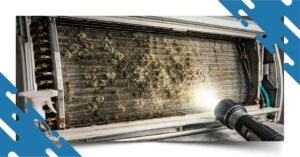
Heat pump coils can develop a light layer of frost when outdoor temperatures drop. During normal operation, moisture from the air can condense on the outdoor coil and freeze.
Fortunately, heat pumps are designed with an automatic defrost cycle. The system periodically switches operation to melt frost from the outdoor coil and maintain proper airflow and heat transfer.
A little frost that disappears during the defrost cycle is usually normal.
Heavy ice buildup that remains for hours or keeps returning is not.
When heat pump coils stay frozen, you may experience:
- Reduced heating or cooling performance
- Weak airflow
- Longer HVAC run times
- Higher energy bills
- Uneven indoor temperatures
- Increased wear on system components
- Potential compressor damage
If your heat pump is running constantly but your home still isn’t comfortable, frozen coils could be part of the problem.
What Does It Mean When Heat Pump Coils Freeze?
There are several possible causes of frozen heat pump coils. Some are simple airflow problems, while others require professional HVAC service.
1. Dirty or Clogged Air Filter
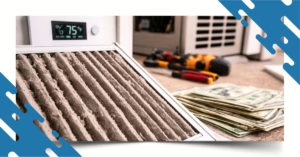
A dirty air filter is one of the easiest problems to overlook—and one of the most common causes of restricted airflow.
When a filter becomes clogged with dust and debris, less air moves through your HVAC system. Restricted airflow can cause coil temperatures to drop too low, allowing moisture to freeze.
Signs of a clogged filter may include:
- Weak airflow from vents
- Longer heating or cooling cycles
- Uneven temperatures
- Increased dust around the home
- Ice or frost developing on the coils
Check your air filter regularly and replace it according to the manufacturer’s recommendations.
2. Low Refrigerant or a Refrigerant Leak
Low refrigerant can cause heat pump coils to become too cold and develop ice.
It’s important to understand that refrigerant does not normally get “used up.” If your system has low refrigerant, there may be a refrigerant leak or another underlying problem.
Possible signs include:
- Frozen coils
- Reduced heating or cooling
- Longer run times
- Weak airflow
- Hissing or bubbling sounds
- Higher energy consumption
Refrigerant problems require professional HVAC service. A qualified technician can identify the source of the problem, repair the leak when necessary, and restore the system to the proper refrigerant level.
3. Defective Defrost Cycle
Your heat pump’s defrost cycle plays an important role in preventing excessive ice buildup.
If the defrost system isn’t working properly, frost can continue accumulating until the outdoor coil becomes covered in ice.
Potential causes include:
- Faulty temperature sensors
- Defective control boards
- Problems with defrost controls
- Electrical issues
- Malfunctioning components
If your outdoor unit remains heavily iced over for long periods, don’t ignore it. A professional can test the defrost system and determine why it isn’t clearing the frost.
4. Dirty or Blocked Outdoor Coils
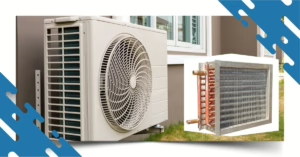
Your outdoor heat pump is exposed to Florida’s weather year-round. Dirt, pollen, grass clippings, leaves, and other debris can accumulate around the outdoor coil.
When debris blocks airflow, the system can’t transfer heat efficiently. This can contribute to freezing and reduced performance.
Keep the area around your outdoor unit clear of:
- Leaves
- Grass
- Branches
- Weeds
- Shrubs
- Other yard debris
Maintaining adequate clearance around the outdoor unit allows air to move freely and helps your heat pump operate efficiently.
5. Restricted Indoor Airflow
The outdoor coil isn’t always the only source of the problem.
Blocked supply vents, closed registers, dirty ductwork, or problems with the return-air system can restrict airflow throughout your home.
Check that:
- Supply vents are open
- Return vents aren’t blocked
- Furniture isn’t covering vents
- Curtains aren’t restricting airflow
- Air filters are clean
If airflow remains weak after these basic checks, professional HVAC diagnostics may be necessary.
6. Florida's Humidity
Florida’s humid climate can contribute to moisture accumulation around HVAC coils.
When warm, humid air comes into contact with a sufficiently cold coil, moisture can condense. If coil temperatures fall below freezing and airflow is inadequate, that moisture can turn into ice.
Humidity alone doesn’t necessarily mean your heat pump will freeze. However, restricted airflow, low refrigerant, dirty coils, or other mechanical problems can make icing more likely.
That’s why proper HVAC maintenance is especially important in Florida.
What Should You Do If Your Heat Pump Coils Are Frozen?
If you notice significant ice buildup, don’t try to remove the ice by scraping, chipping, or hitting it. You could damage the delicate coil fins or other components.
Instead:
- Turn the system off if significant ice has formed.
- Allow the ice to thaw naturally.
- Check the air filter and replace it if it’s dirty.
- Make sure vents and returns aren’t blocked.
- Clear leaves and debris away from the outdoor unit.
- Monitor the system after it has thawed.
If the ice returns, the problem likely requires further diagnosis.
Repeated freezing can indicate low refrigerant, a defrost problem, airflow restrictions, electrical issues, or another HVAC malfunction.
Learn More: Top 5 Causes of Frozen AC Coils and How to Fix Them
Can You Prevent Heat Pump Coils From Freezing?
Regular maintenance can reduce the risk of frozen coils and help your heat pump operate efficiently.
- Replace Air Filters Regularly: A clean filter promotes proper airflow and helps your HVAC system operate efficiently.
- Keep Outdoor Units Clear: Maintain adequate clearance around the heat pump and remove leaves, grass, and other debris.
- Schedule Professional HVAC Maintenance: Routine heat pump maintenance can help identify dirty coils, airflow problems, refrigerant issues, electrical problems, and other developing concerns before they become larger repairs.
- Pay Attention to Changes in Performance: Don’t ignore unusual run times, weak airflow, rising energy bills, or recurring ice buildup. Addressing problems early can help protect your HVAC investment.
When Should You Call an HVAC Professional?
Some heat pump problems require professional equipment, training, and experience.
Contact an HVAC professional if:
- Ice continues to return after the system thaws.
- Your heat pump won’t enter or complete its defrost cycle.
- You suspect a refrigerant leak.
- Airflow remains weak after replacing the filter.
- The system isn’t heating or cooling properly.
- Your energy bills suddenly increase.
- The outdoor unit develops heavy or recurring ice.
- You hear unusual noises from the equipment.
A qualified HVAC technician can inspect the system, identify the underlying cause, and recommend the appropriate repair.
Heat Pump Repair in The Villages, FL
Frozen heat pump coils shouldn’t be ignored. While a small amount of frost can be part of normal operation, persistent ice buildup can indicate an airflow, refrigerant, defrost, or mechanical problem.
For homeowners in The Villages, FL, Iron Shield Heating & Air provides professional heat pump repair, HVAC maintenance, AC repair, and heating services to help keep your home comfortable throughout the year.
If your heat pump coils keep freezing, don’t wait for the problem to become a major repair.
Contact Iron Shield Heating & Air today to schedule professional HVAC service in The Villages, FL.
Frequently Asked Questions About Heat Pump Coils
A light layer of frost can be normal during cold or humid weather. Your heat pump should automatically enter a defrost cycle to remove it. Heavy or persistent ice buildup is not normal and may indicate a problem.
Common causes include restricted airflow, a dirty air filter, dirty outdoor coils, low refrigerant, refrigerant leaks, a malfunctioning defrost cycle, blocked vents, and other mechanical or electrical problems.
Turn the system off and allow the ice to thaw naturally. Don’t scrape, chip, or break the ice because you could damage the coils or other components.
Yes. Low refrigerant can cause coil temperatures to drop below normal operating levels, which can result in frost and ice buildup. Because low refrigerant often indicates a leak, professional diagnosis is recommended.
Thawing time depends on the amount of ice, outdoor temperature, airflow, and system conditions. Significant ice may take several hours to melt naturally.
If there is significant ice buildup, it’s generally best to turn the system off and allow it to thaw rather than continuing to operate it. If the freezing returns, have the system professionally inspected.
Yes. A clogged filter can restrict airflow and contribute to coil freezing. Replacing a dirty filter is one of the first basic checks you can make.
If freezing continues with a clean filter and unobstructed airflow, another issue may be responsible. Possible causes include low refrigerant, a faulty defrost system, dirty coils, electrical problems, or mechanical failures.
High humidity increases the amount of moisture in the air, which can contribute to frost formation when coil temperatures are low. However, recurring or heavy ice buildup usually indicates an underlying airflow, refrigerant, defrost, or equipment issue.
Regular professional maintenance can help keep heat pumps operating efficiently and identify developing problems early. Because Florida HVAC systems often operate for much of the year, routine maintenance is especially important.
Not necessarily. Frozen coils can result from relatively simple issues such as a dirty filter or blocked airflow. However, recurring freezing can also indicate more serious equipment problems. A professional inspection can determine whether repair or replacement makes the most sense.
Related Blog Posts
Read more articles and expert advice related to this service.