
Could mold be growing inside your air conditioner without you knowing it?
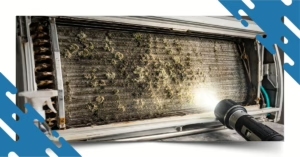
AC coil mold can develop in areas of your HVAC system that homeowners rarely see, particularly around the evaporator coil, condensate drain pan, and other damp components. Because air conditioning systems naturally remove moisture from indoor air, poor drainage, high humidity, dirt buildup, and restricted airflow can create conditions where mold growth becomes more likely.
This is especially important in Florida homes, where hot, humid weather can keep air conditioners running for long periods.
What Is AC Coil Mold?
AC coil mold refers to mold growth that develops on or around components of an air conditioning system, particularly areas that remain damp or collect moisture.
The evaporator coil is one of the most important areas to inspect. During normal cooling operation, warm indoor air passes over the cold evaporator coil. As the air cools, moisture can condense on the coil and drain into a condensate pan.
Under normal conditions, that moisture should drain away properly.
However, if moisture remains on or around the coil, mold can potentially grow. Dust, dirt, organic debris, poor drainage, and high indoor humidity can make the problem worse.
The Florida Department of Health specifically recommends routinely checking areas around air handlers, including evaporator coils, drain pans, and condensate drain lines, for moisture and potential mold problems.
Why Does Mold Grow on AC Coils?
Mold needs moisture and a suitable surface to grow. Your AC system can provide both when it isn’t properly maintained.
Common contributing factors include:
High indoor humidity: Florida’s hot, humid climate can make moisture control more challenging.
Condensation: Cooling coils naturally produce condensation during normal operation.
Clogged condensate drains: A blocked drain can cause water to back up into or around the air handler.
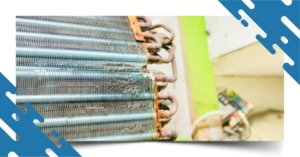
Dirty evaporator coils: Dust and debris can accumulate on damp coil surfaces.
Dirty or improperly maintained air filters: Restricted airflow can affect system performance and contribute to moisture-related problems.
Poor airflow: Blocked returns, dirty filters, duct problems, or other airflow restrictions can interfere with proper system operation.
Water leaks: Leaking components, drain pans, or nearby plumbing can introduce additional moisture.
Poor insulation: Improperly insulated ducts or HVAC components can create condensation when warm, humid air contacts cold surfaces.
The EPA identifies cooling coils as an important area to monitor because they are designed to remove moisture from the air and can become a source of moisture contamination if drainage and moisture control problems occur.
Signs You May Need an AC Coil Mold Inspection
Mold on AC coils may not be immediately visible. Often, the first warning signs are subtle—but paying attention can save your home from bigger problems.
Look out for these key indicators:
- Musty or mildew-like odors when the AC is running. This smell is often strongest near vents or the return air grille.
- Increased allergy or respiratory symptoms, such as sneezing, coughing, or itchy eyes, especially when indoors.
- Reduced cooling performance. Mold buildup can restrict airflow, forcing your system to work harder and leaving rooms warmer than normal.
- Higher energy bills. If your AC is struggling to maintain temperature, it may be running longer due to obstructed coils.
- Visible mold near vents, the drain pan, or around the evaporator coil access panel. Even small black or green spots can signal a bigger issue inside.
If you notice one or more of these signs, it’s time to consider a professional AC coil mold inspection. Catching mold early prevents it from spreading throughout your system and keeps your indoor air safe and healthy.
For more details on regular coil maintenance and how it fits into your HVAC care plan, check out this comprehensive guide on HVAC mold prevention and inspection recommendations.
How Professionals Perform an AC Coil Mold Inspection
A professional AC coil mold inspection is more than simply looking at the visible portion of an air conditioner.
An HVAC technician evaluates the coil and surrounding components while also looking for the moisture conditions that may be contributing to the problem.
Here’s what a typical inspection may involve.
Step 1: Shut Down the HVAC System
Safety comes first.
Before accessing internal HVAC components, the technician follows appropriate procedures to shut down the equipment and disconnect power as necessary.
This helps protect both the technician and the equipment during the inspection.
Step 2: Access the Evaporator Coil
The evaporator coil is commonly located inside the air handler or furnace cabinet.
Depending on the equipment design, the technician may need to remove an access panel to inspect the coil.
Because evaporator coils contain delicate fins and refrigerant tubing, improper handling can cause damage.
Step 3: Inspect the Coil for Mold, Dirt, and Moisture
The technician examines the accessible coil surfaces for:
- Visible mold growth
- Dirt and debris
- Excess moisture
- Corrosion
- Damaged components
- Signs of poor drainage
- Other conditions affecting system performance
A professional can also distinguish between ordinary dirt buildup and conditions that may warrant further investigation.
Step 4: Inspect the Condensate Drain Pan
The drain pan collects condensation produced during normal AC operation.
Technicians check for:
- Standing water
- Sludge or debris
- Rust or corrosion
- Cracks or damage
- Improper drainage
- Signs of previous overflow
A drain pan that doesn’t drain properly can create a persistent moisture source.
Step 5: Check the Condensate Drain Line
A partially or completely blocked AC condensate drain line can cause water to back up.
The technician checks whether the drain is flowing properly and looks for evidence of recurring drainage problems.
Step 6: Check Air Filters and Airflow
The inspection should also consider the overall HVAC system—not just the coil.
A technician may evaluate:
- Air filter condition
- Filter installation
- Return airflow
- Supply airflow
- Blower operation
- Ductwork condition
- Airflow restrictions
This helps determine whether another HVAC problem may be contributing to excess moisture or poor performance.
Step 7: Check for the Source of Moisture
Finding mold is only part of the solution.
The technician should also look for why moisture is present.
Potential causes may include:
- Clogged condensate drains
- Drain pan problems
- Refrigerant or coil issues
- Poor airflow
- High indoor humidity
- Duct condensation
- Improper insulation
- Water leaks
Moisture control is the key to controlling mold growth. Simply removing visible mold without addressing the moisture source can allow the problem to return.
Step 8: Recommend the Appropriate Solution
Depending on the findings, recommendations may include:
- HVAC coil cleaning
- Condensate drain cleaning
- Drain pan service or replacement
- Air filter replacement
- Airflow correction
- Ductwork inspection or repair
- Humidity control
- HVAC maintenance
- Professional mold remediation when appropriate
The correct solution depends on the location and extent of the suspected mold and the underlying moisture problem.
Why You Should Avoid DIY Mold Cleaning on AC Coils
It may be tempting to clean your AC coils yourself when you notice mold, but DIY methods can create more problems than they solve. Mold spores can easily become airborne and spread throughout your home, worsening indoor air quality.
Using inappropriate cleaning chemicals or tools can damage delicate coils, lowering your system’s efficiency and lifespan. Some cleaners may corrode metal parts or leave residues that attract dust and moisture.
Certified HVAC professionals have the training, tools, and safety protocols to safely and effectively remove mold. They can also identify underlying causes, such as drainage issues or airflow problems, that allow mold to grow in the first place. Addressing these causes prevents future infestations and protects both your system and your family’s health.
In short, professional inspection and cleaning ensure mold is safely removed, your AC runs efficiently, and your home remains safe to breathe in.
How Often Should You Have an AC Coil Inspected?
There isn’t a single inspection schedule that works for every home.
For many Florida homeowners, having the HVAC system professionally inspected and maintained at least once a year is a practical approach. Homes with persistent humidity, recurring drain problems, older equipment, or previous moisture issues may require more frequent attention.
Consider scheduling an inspection sooner if you notice:
- Musty AC odors
- Water around the indoor unit
- Frequent condensate drain clogs
- Visible mold
- High indoor humidity
- Poor airflow
- Reduced cooling performance
- Unexplained increases in AC runtime
Regular maintenance is especially important in Florida because air conditioners operate under significant cooling and dehumidification demands for much of the year.
Frequently Asked Questions About AC Coil Mold
The most common contributing factor is moisture. Condensation is normal during AC operation, but problems such as clogged drains, standing water, high indoor humidity, poor airflow, or inadequate insulation can create conditions that support mold growth.
Possible signs include musty odors, visible growth or staining, excessive moisture around the indoor unit, recurring drain problems, and other signs of HVAC moisture issues. A professional inspection can provide a more reliable assessment.
A dirty coil doesn’t automatically mean mold is present. However, dirt and organic debris combined with persistent moisture can create conditions that are more favorable for microbial growth.
A dirty coil doesn’t automatically mean mold is present. However, dirt and organic debris combined with persistent moisture can create conditions that are more favorable for microbial growth.
Mold exposure can cause allergic reactions and respiratory symptoms in some people, and mold can trigger asthma symptoms in susceptible individuals. However, individual health effects vary. If you have health concerns related to suspected mold exposure, consult a healthcare professional.
Keep the HVAC system maintained, replace filters as recommended, keep condensate drains clear, address water leaks promptly, maintain proper airflow, and control indoor humidity. The EPA recommends keeping indoor relative humidity below 60%, ideally between 30% and 50%.
If you know or strongly suspect that the HVAC system itself is contaminated with mold, the EPA recommends not running the system because it could spread mold through the building. In Florida’s hot climate, however, shutting down an HVAC system can create significant heat and humidity concerns, so homeowners should seek professional guidance promptly.
Not necessarily.
AC coil mold does not automatically mean your entire air conditioning system needs to be replaced. Depending on the condition of the equipment, the solution may involve cleaning, drainage repairs, moisture control, airflow corrections, or other HVAC service.
A professional should evaluate the system before you make a replacement decision
For many Florida homes, annual HVAC maintenance is a good starting point. More frequent inspections may be appropriate if your home has recurring drain problems, high humidity, previous mold or water issues, pets, older HVAC equipment, or persistent AC odors.
Ready to Protect Your Home from Hidden AC Mold?
Mold on your AC coils may be hidden, but it shouldn’t be ignored. If left unchecked, it can lower indoor air quality, raise energy costs, and pose health risks to your family.
At Iron Shield Heating & Air, our certified technicians specialize in precise AC coil mold inspections. We not only identify mold but also pinpoint the underlying causes and provide safe, effective solutions. Your home’s comfort, safety, and clean air are our top priority.
Don’t wait until a small mold problem becomes a big one. Schedule your AC coil mold inspection with Iron Shield Heating & Air today and breathe easier knowing your system—and your home—are protected.
Related Blog Posts
Read more articles and expert advice related to this service.