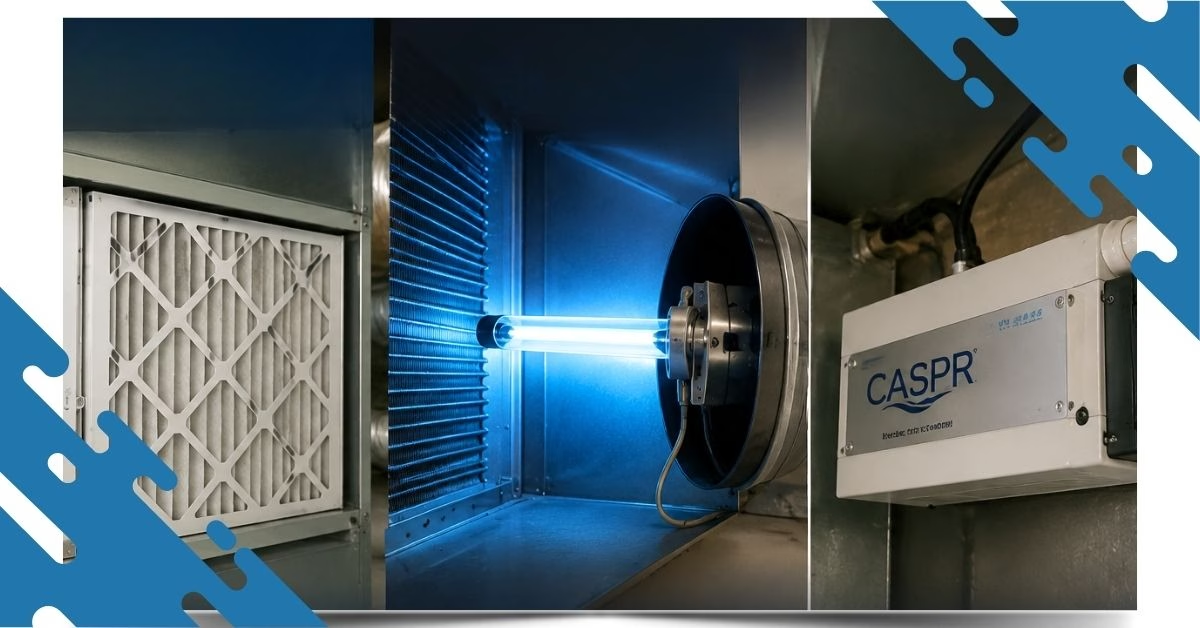
When it comes to air purification vs UV lights vs Caspr, many homeowners are asking the same question: which system actually makes the air in my home safer and cleaner?
Indoor air quality has become a real priority, especially in homes that run HVAC systems almost year-round. That’s why more people are now comparing modern air treatment options instead of relying on basic filters alone.
But each solution works differently. Some focus on particles like dust and pollen, while others target bacteria, mold, or even surface contaminants. Let us help you clearly understand the differences and decide based on cost, effectiveness, safety, and long-term maintenance.
What Is Air Purification in HVAC Systems?
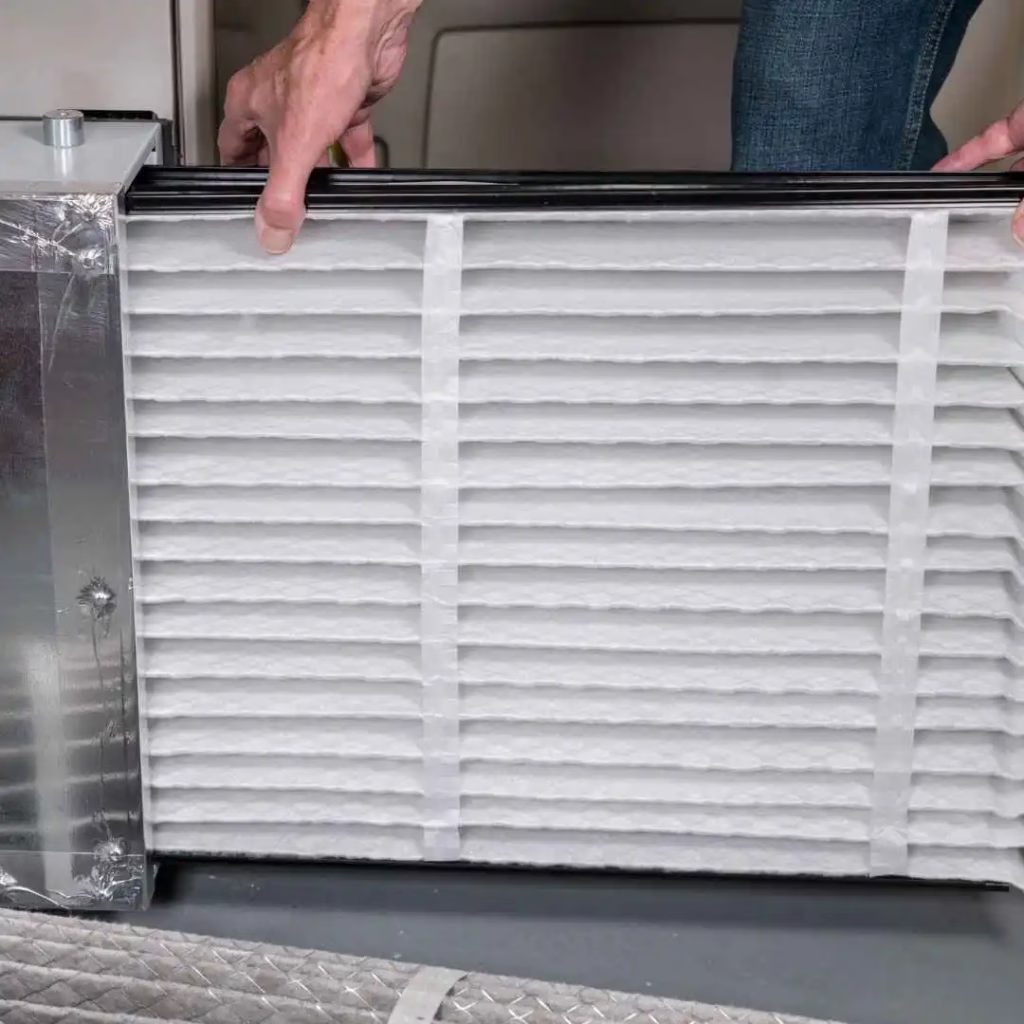
Air purification systems are designed to clean the air as it moves through your home’s HVAC system. Unlike portable units, these systems treat the entire home through the ductwork every time your HVAC runs.
Indoor air quality is a real concern. Studies show that indoor air can be 2 to 5 times more polluted than outdoor air. This is often due to dust, pet dander, cooking particles, and allergens that keep circulating inside the home.
Most HVAC air purification systems use a combination of:
- High-efficiency filters (MERV 11–16) that capture fine particles like dust and pollen
- Activated carbon filters that help reduce odors and VOCs
- Electronic air cleaners that trap airborne particles using an electrical charge
These systems can remove up to 95% of airborne particles when properly installed and maintained.
Air purification is especially helpful for homes with allergies, asthma, or heavy dust issues. It improves everyday breathing comfort in living areas and bedrooms. However, air purification mainly targets air particles. It does not fully address mold growth inside HVAC systems or bacteria on surfaces.
How UV Light Systems Work in HVAC Units
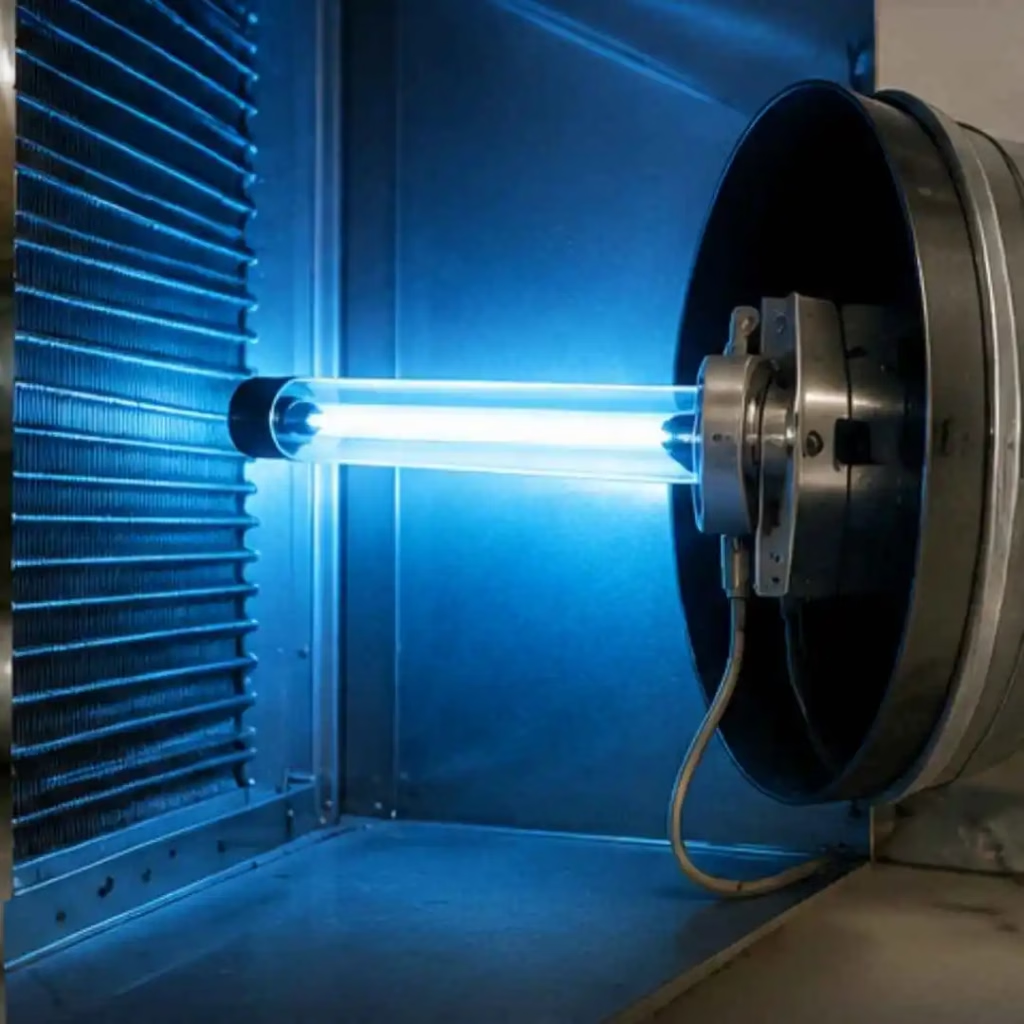
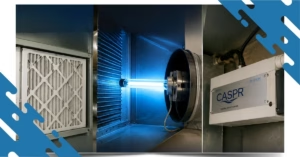
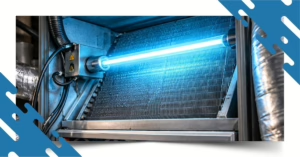
UV light systems are installed inside your HVAC system, usually near the evaporator coil or inside the ductwork. Their main job is to use UV-C light technology to target and destroy microorganisms.
These systems do not filter air like traditional purifiers. Instead, they focus on biological contaminants.
- Mold spores
- Bacteria
- Viruses that pass through the HVAC system
Once exposed, these microorganisms cannot reproduce or spread.
One of the biggest benefits of UV lights is coil protection. HVAC coils are naturally damp, especially in humid climates. This creates a perfect environment for mold and bacteria growth. UV lights help reduce buildup on these surfaces, improving system efficiency over time.
In many cases, homeowners notice fewer musty odors after installation. This is because UV light helps reduce microbial growth inside the system itself. However, UV lights have limitations. They only work on what is directly exposed to the light. Air must pass through the UV zone for treatment. They also do not remove dust, pollen, or allergens from the air.
UV bulbs also require maintenance. Most need replacement every 9 to 12 months to stay effective. UV systems are often used as a supporting layer in HVAC protection. They are especially helpful in humid homes where mold growth is a recurring issue.
What Is CASPR Technology and How It Works
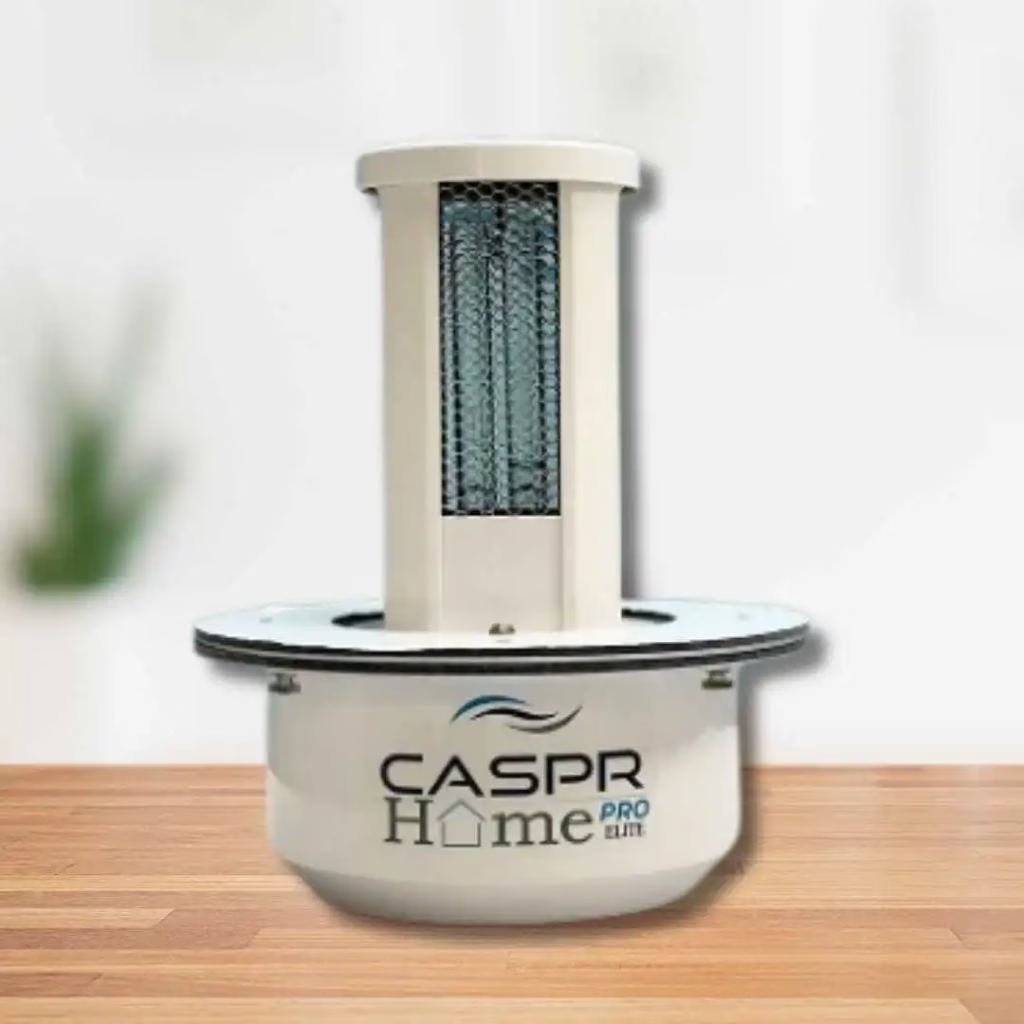
CASPR stands for Continuous Air and Surface Pathogen Reduction. It is a newer HVAC air treatment technology designed to clean both the air and the surrounding surfaces at the same time.
Unlike air filters or UV lights, CASPR works by releasing a very low level of ionized hydrogen peroxide vapor into the air stream. This is safe for occupied spaces and continuously active while your system runs.
- Airborne bacteria and viruses
- Mold spores in the air and on surfaces
- Odor-causing microorganisms
- Contaminants that settle on frequently touched areas
One key advantage is that CASPR does not rely on airflow alone. It continues working even when air is not actively passing through the HVAC system. This helps provide more consistent coverage across rooms. Many healthcare and commercial spaces use similar oxidation-based technologies because of their ability to reduce microbial load on both air and surfaces.
However, CASPR is not a filtration replacement. It does not physically trap dust, pollen, or debris. Homes with allergy concerns often still need a strong filtration system. Maintenance is relatively simple, but the system requires periodic cartridge or cell servicing depending on the model.
CASPR is often positioned as a whole-home protection layer, especially for households concerned about germs, odors, and overall hygiene beyond basic air cleaning.
Air Purification vs UV Lights vs CASPR: Which Is Best for Your Home?
When comparing air purification vs UV lights vs Caspr, it’s important to understand that each system solves a different indoor air problem. One is not strictly “better”—the right choice depends on what you are trying to improve inside your home.
Below is a clear side-by-side breakdown to help you decide faster and more confidently.
System | Effectiveness | Best Use Cases | Safety | Pros | Cons |
Air Purification | High for airborne particles (dust, pollen, pet dander) | Allergies, asthma, pet homes, general air quality improvement | Very safe for families and pets | Strong filtration, immediate breathing improvement, widely available | Does not kill microbes or clean surfaces |
UV Lights | High for mold, bacteria, and viruses inside HVAC system | Humid homes, mold prevention, coil protection, musty odors | Safe when installed properly inside HVAC system | Prevents mold buildup, improves system efficiency, low maintenance | Limited to areas exposed to UV light, no particle filtration |
CASPR | High for microbes in air and on surfaces | Healthcare-level cleanliness, odor control, high-risk households | Safe for occupied spaces when professionally installed | Treats air + surfaces, continuous operation, strong germ reduction | Higher cost, does not remove dust or allergens |
- Air purification focuses on what you breathe.
- UV lights focus on what grows inside your HVAC system.
- CASPR focuses on reducing pathogens in both air and surfaces.
In many homes, the best results come from combining two solutions rather than relying on just one. If your goal is balanced indoor air quality, the real answer to air purification vs UV lights vs CASPR often depends on your home’s specific issues—whether that’s allergies, humidity, odors, or overall hygiene concerns.
Cost, Installation, and Long-Term Value Comparison
When evaluating air purification vs UV lights vs CASPR, cost is not just about the upfront price. You also need to consider installation complexity, maintenance, and long-term performance over several years.
Below is a data-driven breakdown based on current 2026 HVAC pricing trends.
System | Upfront Cost (Installed) | Installation Difficulty | Annual Maintenance Cost | Lifespan | Long-Term Value |
Air Purification (Filtration Systems) | $800 – $3,000+ | Low to moderate (duct integration) | $100 – $300 (filters) | 5–10 years (filters replaced regularly) | Strong for everyday air quality, especially allergens |
UV Light Systems | $300 – $1,200 installed | Low (installed inside air handler/coil area) | $50 – $200 (bulb replacement yearly) | 1–2 years per bulb | Strong for mold prevention and HVAC hygiene |
CASPR Systems | $1,000 – $2,500+ (varies by home size) | Moderate (professional HVAC integration required) | $100 – $300 (cartridge/service) | 3–5 years system life | High for whole-home microbial and odor control |
Which System Should You Choose?
When comparing air purification vs UV lights vs Caspr, there is no single solution that fits every home. Each system is designed to solve a different indoor air problem, and the best choice depends on what you are experiencing day to day.
If your biggest issue is dust, allergens, or pet dander, air purification is usually the most effective starting point. It improves the air you breathe immediately and helps create a more comfortable living environment.
If you are dealing with humidity, mold growth, or musty odors coming from your vents, UV lights are a strong and cost-efficient option. They focus on keeping your HVAC system clean and reducing microbial buildup at the source.
If your priority is whole-home protection against germs, odors, and surface contamination, CASPR offers a more advanced solution. It continuously works in both the air and on surfaces, making it ideal for households with higher health or cleanliness concerns.
If you are still unsure which system is right for your home, Iron Shield Heating & Air can help. Our team can assess your indoor air quality and recommend the best solution based on your home’s needs, comfort goals, and budget.
Schedule your indoor air quality consultation with us today and breathe cleaner, healthier air all year long.
Related Blog Posts
Explore expert blog posts filled with HVAC tips, troubleshooting advice, maintenance guides, and energy-saving solutions to help you make informed decisions about your home’s comfort.