
Winter can bring cooler temperatures, but it can also create an unexpected problem inside your home: condensation.
While a little moisture on your windows may seem harmless, persistent condensation can contribute to mold growth, damp walls, musty odors, damaged window frames, and poor indoor air quality. If excess moisture continues to build up, it may eventually lead to expensive repairs.
But you can take several simple steps to prevent condensation and maintain a more comfortable, dry, and healthy home.
Let us explain what causes condensation, how to reduce indoor humidity, how to prevent condensation on windows and walls, and when it may be time to call an HVAC professional.
What Is Condensation and Why Does It Form in Winter?
Condensation happens when warm, moisture-filled air comes into contact with a cold surface. As the warm air cools, it loses its ability to hold as much moisture, causing water droplets to form.
You’ll often notice condensation on:
- Windows and glass doors
- Exterior walls
- Mirrors
- Pipes
- HVAC vents
- Window frames
- Cold corners of rooms
Condensation can become more noticeable during colder weather because there is a greater temperature difference between the indoor and outdoor environments.
Indoor activities also add moisture to the air. Showering, cooking, washing clothes, drying laundry, and even breathing can increase indoor humidity.
Bathrooms, kitchens, laundry rooms, and poorly ventilated bedrooms are especially susceptible.
Why Is Too Much Condensation a Problem?
Occasional condensation is usually not a major concern. However, persistent indoor moisture can create conditions that encourage:
- Mold and mildew growth
- Musty odors
- Damp walls and ceilings
- Peeling paint or wallpaper
- Wood and drywall damage
- Window frame deterioration
- Poor indoor air quality
- Increased allergy and respiratory irritation
That’s why learning how to prevent condensation is an important part of maintaining your home.
3 Effective Ways to Prevent Condensation
1. Improve Ventilation and Airflow
One of the most effective ways to prevent condensation is to improve ventilation throughout your home.
Moisture needs somewhere to go. Without adequate airflow, humid air can become trapped indoors and eventually settle on colder surfaces.
Use Exhaust Fans in Kitchens and Bathrooms
Bathrooms and kitchens produce significant amounts of moisture.
Turn on your bathroom exhaust fan while showering and leave it running for a little while afterward. In the kitchen, use the range hood or exhaust fan when cooking to help remove steam and moisture.
Whenever possible:
- Run bathroom exhaust fans during and after showers.
- Use your kitchen exhaust fan while cooking.
- Keep interior doors open when appropriate to improve airflow.
- Allow fresh air to circulate throughout the home.
- Avoid blocking HVAC supply and return vents.
Even small improvements in airflow can help reduce excess moisture.
Don't Rely on Heating Alone
Turning up your thermostat may make the room warmer, but heat alone doesn’t remove moisture from the air.
If indoor humidity remains high, condensation can continue forming even when your home feels warm.
A properly functioning HVAC system, combined with good ventilation, can help maintain more consistent indoor comfort and humidity levels.
2. Control Indoor Humidity With a Dehumidifier
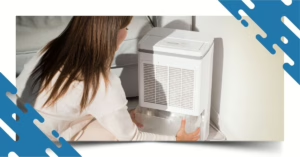
If excess moisture continues to be a problem, a dehumidifier can help lower indoor humidity.
A good target for indoor relative humidity is generally around 30% to 50%, depending on your home’s conditions and comfort preferences. Keeping humidity under control makes it less likely that moisture will collect on cold surfaces.
A dehumidifier can be particularly useful in:
- Bathrooms
- Laundry rooms
- Basements or enclosed areas
- Rooms with poor airflow
- Areas where condensation frequently appears
Simple Ways to Reduce Indoor Humidity
You can also reduce moisture by:
- Using exhaust fans when showering and cooking
- Drying wet clothes outside when practical
- Fixing plumbing leaks promptly
- Covering pots while cooking
- Avoiding unnecessary indoor drying of laundry
- Improving airflow between rooms
- Using a dehumidifier when necessary
If you frequently notice condensation on windows, high indoor humidity may be part of the problem.
3. Improve Insulation and Reduce Cold Surfaces
Condensation forms more easily when warm, humid indoor air comes into contact with cold surfaces.
Proper insulation can help keep interior surfaces warmer and reduce the temperature difference that causes moisture to collect.
Check areas around:
- Exterior walls
- Windows
- Doors
- Attics
- Ductwork
- Ceilings
- Unconditioned spaces
Consider Energy-Efficient Windows
Older single-pane windows can become extremely cold during cooler weather. Double-pane or energy-efficient windows provide better insulation and can help reduce condensation by keeping the interior glass surface warmer.
However, replacing windows isn’t always necessary. Improving ventilation, controlling humidity, and addressing insulation problems may resolve the issue in many situations.
How to Prevent Condensation on Windows
Condensation on the inside of windows is one of the most common signs of excess indoor moisture.
If you regularly wake up to foggy or wet windows, try these steps:
- Reduce indoor humidity.
- Use bathroom and kitchen exhaust fans.
- Improve airflow around windows.
- Keep curtains and blinds from completely blocking air circulation.
- Wipe away accumulated moisture.
- Check for insulation problems around windows.
- Consider energy-efficient glazing if your windows are old.
- Have your HVAC system evaluated if humidity remains consistently high.
Remember that wiping your windows only removes the water that has already formed. To prevent condensation, you need to address the underlying cause—usually excessive moisture, cold surfaces, or inadequate ventilation.
Learn More: 10 Ways to Get Rid of Condensation on Windows
How to Improve Ventilation and Airflow
Good ventilation helps remove moisture before it has an opportunity to settle on windows, walls, and other cold surfaces.
Keep Air Moving Throughout Your Home
Poor air circulation can allow humid air to collect in certain rooms.
Make sure furniture, curtains, and other items aren’t blocking HVAC vents or restricting airflow.
If certain rooms consistently feel damp or develop condensation, your home may benefit from an HVAC professional evaluating the system’s airflow and ventilation.
Use Exhaust Fans Properly
Exhaust fans should be used whenever you create significant moisture.
For example:
After showering: Keep the bathroom exhaust fan running for a while to remove lingering moisture.
While cooking: Use your range hood or kitchen exhaust fan to capture steam.
During laundry: Make sure your dryer vents properly to the outdoors and that moisture isn’t being released into the living space.
Keep Your Home Comfortable and Condensation-Free
Condensation doesn’t have to become a recurring winter problem.
By controlling indoor humidity, improving ventilation, maintaining proper airflow, and addressing insulation or HVAC issues, you can significantly reduce excess moisture and help protect your home.
If you’re dealing with persistent humidity, poor airflow, or recurring condensation in Ocala, FL, Iron Shield Heating & Air is here to help.
Frequently Asked Questions About Preventing Condensation
To prevent condensation, control indoor humidity, improve ventilation, maintain proper airflow, and reduce cold surfaces through adequate insulation. Using exhaust fans and a dehumidifier can also help manage excess moisture.
Condensation on the inside of windows typically occurs when warm, humid indoor air meets a cold window surface. High indoor humidity, poor ventilation, and inefficient windows can make the problem worse.
Keeping indoor relative humidity generally around 30% to 50% can help reduce excess moisture and condensation. The ideal level can vary depending on outdoor conditions, your home, and personal comfort.
Yes. A dehumidifier removes moisture from indoor air, which can help reduce humidity and make condensation less likely to form on windows, walls, and other cold surfaces.
Not necessarily. Heating raises the temperature of the air but does not automatically remove moisture. If humidity remains high, condensation can still occur. Humidity control and ventilation are key to preventing condensation.
Yes. Poor ventilation allows moisture from showers, cooking, laundry, and everyday activities to remain trapped indoors. Improving airflow and using exhaust fans can help remove excess moisture.
Persistent condensation can contribute to damp conditions that support mold and mildew growth, particularly around windows, walls, ceilings, and other areas that remain wet for extended periods.
Yes. Wiping away condensation helps prevent moisture from sitting on window frames, walls, and surrounding surfaces. However, wiping the water away does not solve the underlying problem, so you should also address humidity and ventilation.
Yes. A properly operating HVAC system can help manage indoor temperature and humidity. If your home remains excessively humid or develops recurring condensation, an HVAC professional can evaluate your system and recommend appropriate solutions.
Consider professional help if condensation is persistent, widespread, accompanied by mold or musty odors, or continues despite using exhaust fans and reducing humidity. An HVAC professional can check your system, airflow, ventilation, and humidity-related issues.
Related Blog Posts
Read more articles and expert advice related to this service.