
If your home feels warm, sticky, or uncomfortable even when your air conditioner is running, humidity may be the problem.
Many homeowners think air conditioning is only about lowering the temperature. In reality, your AC system also removes moisture from the indoor air. When humidity levels are too high, your air conditioner has to work harder to keep your home cool and comfortable.
Understanding how humidity affects AC performance can help you improve indoor comfort, reduce unnecessary energy use, and protect your HVAC system from excessive wear.
Let us explain how humidity impacts your air conditioner, why high humidity can increase energy bills, and what you can do to control indoor moisture.
How Does Humidity Affect AC Performance?
Humidity is the amount of water vapor in the air. When indoor humidity is high, your home can feel much warmer than the actual temperature shown on your thermostat.
For example, your thermostat may be set to 75°F, but if the indoor air contains too much moisture, the room can still feel warm and muggy.
Your air conditioner has two important jobs:
- Lower the temperature
- Remove moisture from the air
During normal operation, warm indoor air passes over the cold evaporator coil. As the air cools, moisture condenses on the coil and drains away. This process is called dehumidification.
When humidity is especially high, your AC has to spend more time removing moisture before your home feels comfortable. This can result in longer cooling cycles, increased energy consumption, and additional strain on your HVAC system.
High Humidity Can Make Your Home Feel Warmer
One of the most noticeable effects of high humidity is that your home may feel hotter than it actually is.
Moist air makes it harder for sweat to evaporate from your skin. As a result, your body has a harder time cooling itself, creating that familiar sticky, muggy feeling.
This is why simply lowering the thermostat may not solve the problem. If indoor humidity remains high, your AC may continue running while your home still doesn’t feel comfortable.
Why High Humidity Makes Your AC Work Harder
When humidity levels rise, your air conditioner has to remove more moisture from the air while also lowering the temperature.
This can cause your AC to:
- Run for longer periods
- Use more electricity
- Experience additional wear and tear
- Struggle to maintain the desired temperature
- Have difficulty reaching the thermostat’s set point
- Require more frequent repairs
In a humid climate like Florida, this can be particularly important. Warm outdoor air can introduce significant amounts of moisture into your home, especially when doors and windows are frequently opened or when there are air leaks around the building envelope.
High Indoor Humidity Can Increase Energy Bills
An air conditioner that runs continuously or for unusually long cycles can consume more electricity.
If your home has excessive humidity, you may find yourself lowering the thermostat to compensate. Unfortunately, this can make your AC work even harder without addressing the underlying moisture problem.
Improving humidity control can help your air conditioner operate more efficiently and maintain a more consistent level of comfort.
Signs Your Home Has Too Much Humidity
How can you tell whether humidity is affecting your AC?
Watch for these common warning signs:
- Your Home Feels Sticky or Muggy: If the air feels damp even when your AC is running, indoor humidity may be too high.
- Your AC Runs Constantly: Long cooling cycles can be caused by several problems, including high humidity, restricted airflow, an undersized system, dirty filters, or refrigerant issues.
- Condensation on Windows: Moisture collecting on windows or other cool surfaces can be a sign of excessive indoor humidity.
- Musty Odors: Persistent musty smells may indicate excess moisture in the home. They can also point to moisture problems that should be professionally inspected.
- Your Home Feels Warm Despite a Low Thermostat Setting: If your thermostat says the temperature is comfortable, but the house still feels hot, humidity could be contributing to the problem.
- Your Energy Bills Are Higher Than Expected: An AC system working harder to cool and dehumidify your home can contribute to increased energy consumption.
The Role of Dehumidification in AC Efficiency
A properly functioning air conditioner naturally removes some moisture from indoor air. However, your AC may not always be the most effective solution for controlling high humidity.
That’s where dehumidification can help.
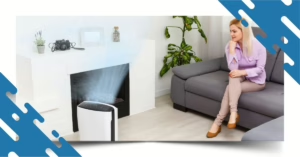
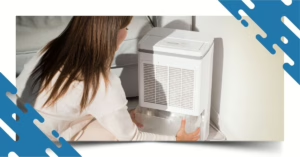
A dedicated dehumidifier removes excess moisture without requiring your AC to do all the work. By reducing indoor humidity, a dehumidifier can help your air conditioner focus more on cooling.
Should You Install a Dehumidifier?
A whole-home dehumidifier may be worth considering if your home consistently has high humidity even when the AC is operating properly.
A dehumidifier can:
- Reduce excess indoor moisture
- Improve comfort
- Help your AC manage humid conditions
- Reduce the need to constantly lower the thermostat
- Support better indoor air quality
- Help protect your home from moisture-related problems
A professional HVAC technician can evaluate your home and determine whether additional dehumidification is appropriate.
Simple Ways to Control Indoor Humidity
You don’t always need a major HVAC upgrade to start improving humidity control. Try these practical steps.
1. Replace or Clean Your AC Filter
A dirty air filter can restrict airflow and make it harder for your air conditioner to operate properly.
Check your filter regularly and replace it according to the manufacturer’s recommendations.
2. Keep Doors and Windows Closed
Open doors and windows allow warm, humid outdoor air to enter your home. During Florida’s hot and humid weather, keeping your home sealed can help reduce the moisture load on your AC.
3. Use Bathroom and Kitchen Exhaust Fans
Showers, cooking, and other everyday activities add moisture to indoor air.
Run exhaust fans during and after activities that generate significant moisture to help move humid air outside.
4. Seal Air Leaks
Gaps around doors, windows, ductwork, and other areas can allow humid outdoor air to enter your home.
Proper air sealing and insulation can improve comfort while reducing the amount of moisture entering your living space.
5. Keep Your HVAC System Maintained
Regular AC maintenance can help your system operate efficiently.
A professional HVAC inspection can identify problems involving:
- Airflow
- Refrigerant
- Drainage
- Evaporator coils
- Electrical components
- Ductwork
- Thermostat operation
Keeping these components in good condition helps your AC handle Florida’s demanding climate.
6. Consider a Whole-Home Dehumidifier
If your home consistently has excessive humidity, a whole-home dehumidifier can provide more effective moisture control than relying on your AC alone.
What Is the Ideal Indoor Humidity Level?
For most homes, indoor relative humidity around 30% to 50% is generally considered a comfortable range.
In warm, humid climates such as Florida, keeping indoor humidity under control is especially important.
A simple digital hygrometer can help you monitor the humidity level inside your home.
If your indoor humidity regularly stays above 60%, it may be worth having your HVAC system and home’s moisture sources evaluated.
Can Humidity Cause AC Problems?
High humidity doesn’t necessarily mean your AC is malfunctioning. However, excessive moisture can make an existing HVAC problem more noticeable and increase the workload on your system.
If your AC is running constantly, not removing enough moisture, or struggling to cool your home, several issues could be responsible.
Potential causes include:
- Dirty air filters
- Restricted airflow
- Dirty evaporator coils
- Low refrigerant
- Blocked condensate drains
- Ductwork problems
- Incorrect system sizing
- Poor insulation or air sealing
- Excessive outdoor air infiltration
- An aging or inefficient AC system
Because these problems can have similar symptoms, professional HVAC troubleshooting is often the best way to identify the actual cause.
How Humidity Impacts Indoor Air Quality
Humidity affects more than just temperature and AC performance.
Excess moisture can contribute to an environment where mold, mildew, and other moisture-related problems can develop. On the other hand, extremely dry air can also cause discomfort.
Maintaining balanced indoor humidity can help create a more comfortable indoor environment and support better overall indoor air quality.
If you’re experiencing persistent musty odors, visible moisture, or other signs of excess humidity, it’s important to identify and correct the source.
When Should You Call an HVAC Professional?
If your AC runs constantly but your home still feels hot and humid, don’t simply keep lowering the thermostat.
Contact an HVAC professional if you notice:
- AC running continuously
- High indoor humidity
- Warm or muggy rooms
- Unexplained increases in energy bills
- Water or condensation around your AC
- Musty odors
- Weak airflow
- Frequent AC repairs
- Uneven cooling throughout your home
A professional can inspect your system, check airflow and refrigerant levels, evaluate the condensate drainage system, and determine whether your home needs additional humidity control.
If your Ocala-area home feels hot, sticky, or humid even when the AC is running, Iron Shield Heating & Air can help.
Our HVAC professionals can inspect your air conditioning system, identify potential causes of poor humidity control, and recommend solutions designed around your home’s comfort needs.
Don’t let excessive humidity make your AC work harder than it should. Contact Iron Shield Heating & Air today to schedule professional HVAC service and take control of your home’s comfort.
Frequently Asked Questions About Humidity and AC Performance
Yes. When humidity is high, your air conditioner must remove more moisture while cooling the air. This can result in longer operating cycles and increased energy use.
Several factors can cause this. Your AC may have an airflow or refrigerant problem, the system may be improperly sized, the condensate drain may be blocked, or excessive moisture may be entering the home. A professional inspection can help determine the cause.
Yes. A dehumidifier can remove excess moisture from indoor air, reducing the dehumidification workload placed on your air conditioner. This can improve comfort and help your AC focus on cooling.
A relative humidity level of approximately 30% to 50% is generally considered comfortable for most homes. Homes in humid climates may require additional moisture control to maintain comfortable levels.
It can. When humidity is high, your AC may run longer to cool and dehumidify the home. Longer operating cycles can increase electricity consumption.
High humidity itself doesn’t automatically damage an AC, but it can increase the workload on the system. Persistent moisture problems can also contribute to issues involving condensate drainage, coils, ductwork, and indoor moisture.
Not necessarily. Lowering the thermostat may make your AC run longer without solving the underlying humidity problem. If your home feels cool but still damp or muggy, the better solution may involve improving dehumidification, airflow, or addressing another HVAC issue.
Start by maintaining your HVAC system, replacing dirty filters, using exhaust fans, sealing air leaks, keeping doors and windows closed, and monitoring indoor humidity. If humidity remains high, a whole-home dehumidifier may be worth considering.
Related Blog Posts
Read more articles and expert advice related to this service.