
Have you noticed a musty smell when your air conditioner turns on? Are you seeing unusual moisture around your HVAC system, or experiencing more sneezing, coughing, or irritated eyes indoors?
These signs don’t automatically mean you have mold. However, they can indicate a moisture or indoor air quality problem that deserves attention.
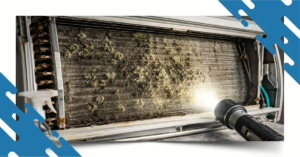
Your HVAC system can become vulnerable to mold when moisture, condensation, leaks, or high humidity are present. Cooling coils, condensate pans, drain lines, ductwork, insulation, and other components can develop moisture problems that create conditions where mold may grow. The EPA identifies moisture control as the key to preventing indoor mold growth.
If mold is growing in or around an HVAC system, spores and other contaminants may potentially be distributed through the home when the system operates. Mold exposure can cause allergic reactions and irritation, including sneezing, runny nose, red eyes, and respiratory symptoms. People with mold allergies or asthma may be particularly sensitive.
That’s why recognizing the warning signs early—and addressing the underlying moisture problem—is important.
Can Mold Grow in Your HVAC System?
Yes. Mold can grow in areas of an HVAC system where moisture accumulates. Common problem areas include:
- Air conditioning coils
- Condensate drain pans
- Condensate drain lines
- Air handlers
- Ductwork
- Wet or damaged duct insulation
- HVAC cabinets
- Areas around leaking or poorly draining equipment
According to the EPA, condensation around cooling coils can be a significant source of moisture contamination, while standing water, wet insulation, leaks, and excessive humidity can increase the potential for biological growth.
However, a musty smell or a dirty HVAC filter alone does not prove that mold is present. A professional inspection is important before assuming mold is the cause.
10 Signs You Need Air Testing for Mold in Your HVAC
So, how can you tell if mold has quietly established itself in your HVAC system? Sometimes it’s obvious, like visible growth on vents or coils—but other times, it’s hiding where you can’t see it, silently affecting your air quality and your health.
Ready to find out if mold is making itself at home in your HVAC? Let’s dive in.
1. You Notice a Musty or Moldy Odor
A persistent musty smell coming from your air vents can be an important warning sign, particularly when it becomes noticeable when your AC or heating system starts running.
A musty odor can be associated with moisture or microbial growth, but odor alone cannot confirm that mold is present.
Pay attention to where the smell is strongest. If the odor consistently comes from supply vents, return vents, the air handler, or another HVAC component, consider having the system professionally inspected.
- Don't simply cover the smell with air fresheners. Have the HVAC system checked for moisture, leaks, drainage problems, and visible contamination.
2. You See Suspected Mold on HVAC Components
Visible growth around vents, registers, coils, drain pans, or other HVAC components deserves attention.
Keep in mind that not everything that looks like mold is actually mold.
If you see suspected mold:
- Don’t disturb or scrape it unnecessarily.
- Don’t spread contaminated material through the home.
- Have the affected area professionally evaluated.
- Correct the moisture source that allowed the growth to develop.
If substantial visible mold is already present, routine air sampling may not be necessary to establish that a mold problem exists. The EPA generally recommends focusing on cleanup and correcting the underlying moisture problem rather than relying on routine sampling.
- Regularly inspect your system during seasonal maintenance. Spotting growth early can prevent widespread contamination and protect your home’s air quality.
3. Allergy or Respiratory Symptoms Are Worse Indoors
Are you experiencing more sneezing, runny nose, irritated or watery eyes, coughing, or other respiratory irritation when you’re inside your home?
Mold can produce allergens and irritants that may trigger reactions in sensitive individuals. Mold can also aggravate asthma in people who are allergic to mold.
If symptoms seem to improve after spending time away from the home and return after coming back, consider discussing the symptoms with a healthcare professional while also investigating potential indoor environmental triggers.
- These symptoms can have many causes and should not automatically be attributed to mold.
4. Your HVAC System Has Persistent Moisture Problems
Moisture is one of the biggest factors behind indoor mold growth.
Look for:
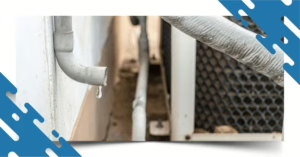
- Water around the indoor unit
- Condensation where it shouldn’t be
- Standing water in or around the condensate pan
- Repeated drain-line clogs
- Water stains
- Wet duct insulation
- Persistent high indoor humidity
- Leaking HVAC components
The EPA recommends correcting leaks, standing water, condensation, and other moisture problems because controlling moisture is central to controlling mold.
- Fixing the water source should be a priority. Cleaning mold without correcting the moisture problem can allow the problem to return.
5. Your HVAC Filter Gets Dirty or Clogged Unusually Fast
A filter that becomes dirty quickly may indicate elevated dust, particles, pets, construction debris, or other indoor-air-quality issues.
However, a dirty HVAC filter does not automatically mean you have mold.
If unusually rapid filter loading occurs together with musty odors, moisture problems, visible suspected growth, or other concerns, a professional HVAC inspection can help determine what’s happening.
- Address any leaks immediately and schedule professional air testing. Catching mold early can prevent costly repairs and protect your home’s air quality.
6. You Have Had a Leak, Flood, or Water Damage
Recent or previous water damage can create conditions favorable for mold growth—especially when materials weren’t completely dried.
Water can affect areas that aren’t immediately visible, including:
- Ductwork
- Insulation
- Walls near HVAC equipment
- Air handlers
- Ceiling spaces
- Attics and other areas surrounding HVAC components
The EPA recommends drying wet or water-damaged areas within 24–48 hours when possible to help prevent mold growth.
- If your HVAC system was exposed to significant water damage, professional evaluation can help determine whether moisture reached components that could affect indoor air quality.
7. You Notice Unexplained Dust, Debris, or Particles From the Vents
Are particles appearing around your supply registers, or are you noticing unusual amounts of dust shortly after cleaning?
Dust alone doesn’t mean your ducts contain mold. The EPA notes that ordinary household dust in air ducts isn’t, by itself, evidence of a health risk.
However, particles being released from supply registers—especially when combined with visible contamination, moisture, unusual odors, or other HVAC problems—can justify further inspection.
- If you notice hot or cold spots that don’t make sense, it’s not just a comfort issue—it could be a sign of mold or debris in your system. Professional air testing from Iron Shield Heating & Air can pinpoint the problem before it gets worse.
8. Your Home Has High Humidity or Poor Moisture Control
High indoor humidity can create an environment where mold is more likely to grow.
The EPA recommends keeping indoor relative humidity below 60%, with an ideal target generally between 30% and 50%.
Signs of excessive humidity may include:
- Condensation on windows
- Damp or clammy rooms
- Persistent musty odors
- Moisture around HVAC equipment
- Frequent condensation problems
- Difficulty keeping the home comfortable
Because Florida homes can experience significant humidity, maintaining proper HVAC operation, drainage, ventilation, and moisture control is especially important.
9. Your HVAC System Has Not Been Properly Maintained
Poor maintenance can allow dust, debris, drainage problems, and moisture issues to go unnoticed.
Routine HVAC maintenance can help identify problems such as:
- Dirty evaporator coils
- Clogged condensate drains
- Drain-pan problems
- Refrigerant or system issues that contribute to poor dehumidification
- Airflow restrictions
- Damaged insulation
- Moisture accumulation
Regular maintenance doesn’t guarantee that mold won’t occur, but it can help identify conditions that contribute to mold growth before they become larger problems.
- Keep up with seasonal inspections and maintenance. And if your system is older or hasn’t been serviced recently, scheduling air testing with Iron Shield Heating & Air can give you peace of mind—and help prevent hidden mold issues.
10. You Suspect Hidden Mold in or Around Your HVAC System
Sometimes you can’t see what’s happening inside an HVAC system.
Hidden moisture or contamination may exist behind inaccessible components, inside affected insulation, or in other concealed areas.
If there is a known moisture problem, persistent musty odor, previous water damage, or suspected contamination around the HVAC system, professional investigation may be appropriate.
Do You Really Need Air Testing for Mold?
This is an important distinction: air testing isn’t automatically necessary every time you suspect mold.
According to the EPA, there are currently no federal standards establishing acceptable airborne mold or mold-spore concentrations. In most situations where visible mold is already present, routine sampling isn’t necessary.
Air or surface sampling may sometimes be useful when:
- The source of contamination is unclear.
- Mold is suspected but not visible.
- There is a complicated moisture or indoor-air-quality concern.
- Testing is needed as part of a professional investigation.
- A professional needs additional information to evaluate a suspected problem.
- Post-remediation evaluation is appropriate.
Testing should be performed and interpreted by appropriately qualified professionals.
The goal shouldn’t be to chase a specific mold-spore number. The priority is identifying moisture problems, determining whether contamination exists, and correcting the underlying cause.
What Should You Do If You Suspect Mold in Your HVAC?
- Don’t ignore the signs. Musty smells, uneven airflow, or frequent allergies are your system’s way of signaling a problem.
- Avoid DIY cleaning for significant mold. Disturbing mold without the proper tools can release more spores into the air, worsening the problem.
- Schedule professional air testing. Certified HVAC specialists, such as the team at Iron Shield Heating & Air, use advanced equipment to detect hidden mold and assess the level of contamination.
- Follow recommended remediation steps. Once mold is detected, professionals can safely remove it and prevent future growth.
Protect Your Home and Health from Mold in Your HVAC
Mold in your HVAC system poses a hidden threat to your family’s health, comfort, and the efficiency of your system. From musty odors and visible growth to unexplained allergies or uneven temperatures, the 10 signs we’ve outlined can help you catch potential problems early.
With awareness, regular maintenance, and professional support, mold doesn’t have to take over your home. Acting promptly when you notice warning signs can prevent costly repairs, energy waste, and health issues.
If you suspect mold might be lurking in your HVAC, don’t wait for the problem to worsen. Iron Shield Heating & Air specializes in professional air testing and mold detection, giving you the peace of mind that your home is safe, clean, and comfortable. Our certified experts use advanced techniques to detect hidden mold and provide the most effective solutions for your system.
Protect your home, protect your health, and breathe easier today—contact us for professional air testing and ensure your HVAC system is mold-free.
Frequently Asked Questions About Mold in Your HVAC
Yes. Mold can grow where moisture accumulates, including around cooling coils, drain pans, ductwork, insulation, and other HVAC components. Proper drainage, humidity control, and maintenance can help reduce the risk.
A persistent musty or damp odor may be associated with mold or other moisture-related problems. However, smell alone cannot confirm that mold is present.
Mold exposure can cause allergic reactions and irritation in some people. Possible reactions include sneezing, runny nose, red eyes, skin irritation, and respiratory symptoms. Mold can also trigger asthma attacks in people with mold allergies.
If you experience ongoing or concerning symptoms, consult a healthcare professional rather than assuming mold is the cause.
Not necessarily. The EPA says routine mold sampling is generally unnecessary when visible mold is already present. Testing may be appropriate in certain situations, particularly when contamination is suspected but not visible or when a professional investigation requires additional information.
Not by itself. Filters collect dust and other airborne particles during normal operation. A rapidly dirty filter should be investigated if it occurs alongside moisture problems, unusual odors, visible suspected mold, or other indoor-air-quality concerns.
You can’t reliably identify mold simply by its appearance. Some substances can look like mold but aren’t. Professional evaluation or appropriate laboratory analysis may be needed for confirmation.
It depends on where the contamination is located and what materials are affected. If substantial mold is present in hard-surface ducts or HVAC components, professional cleaning may be appropriate. Wet or moldy porous insulation may need to be removed and replaced rather than simply cleaned.
Most importantly, the moisture problem that caused the growth must also be corrected.
Yes. If the source of moisture isn’t fixed, mold growth can return. Cleaning without addressing leaks, condensation, standing water, excessive humidity, or other moisture sources does not solve the underlying problem.
Control moisture, maintain appropriate indoor humidity, keep condensate drains clear, replace filters regularly, address leaks promptly, and schedule professional HVAC maintenance.
No test should be treated as a standalone answer to an indoor mold problem. No federal standards establishing acceptable airborne mold concentrations, and test results need to be interpreted in the context of the building’s moisture conditions and other evidence.
Related Blog Posts
Read more articles and expert advice related to this service.