
If your AC is running constantly, cooling unevenly, or driving up your energy bills, an air conditioner inspection can help identify the problem before it turns into a costly breakdown.
In Marion Oaks, FL, a reliable air conditioning system is essential for staying comfortable through Florida’s hot and humid weather. Because your AC works hard for much of the year, regular inspections and maintenance can help improve efficiency, catch developing problems, and extend the life of your system.
Whether you’re preparing your system for summer, noticing unusual AC behavior, or simply want peace of mind, knowing what happens during an air conditioner inspection can help you make informed decisions about your home comfort system.
Why Is an Air Conditioner Inspection Important in Marion Oaks?
Florida heat puts significant demand on residential air conditioning systems. Over time, components can become dirty, worn, loose, or damaged, which may affect cooling performance and energy efficiency.
A professional air conditioner inspection gives an HVAC technician the opportunity to evaluate your system and identify potential issues before they become major repairs.
Regular AC inspections can help:
- Improve air conditioning efficiency
- Maintain consistent indoor comfort
- Identify worn or failing components
- Improve airflow
- Reduce unnecessary energy consumption
- Help prevent unexpected AC breakdowns
- Extend the life of your HVAC system
- Identify potential safety concerns
- Determine whether your system needs repair or replacement
If your AC won’t turn off, is blowing warm air, making unusual noises, or struggling to keep your home comfortable, an inspection can help determine what’s causing the problem.
What Happens During an Air Conditioner Inspection?
A professional AC inspection involves more than simply checking whether your system turns on and off. An HVAC technician evaluates several important components to determine how safely and efficiently your system is operating.
Here’s what you can typically expect.
1. Thermostat Check
Your thermostat controls when your air conditioner turns on and off. A technician will check that it is reading and responding to indoor temperatures correctly.
A faulty or inaccurate thermostat can contribute to:
- AC running continuously
- Short cycling
- Uneven cooling
- Incorrect temperature readings
- Poor energy efficiency
If the thermostat isn’t communicating properly with the HVAC system, additional troubleshooting may be necessary.
2. Air Filter Inspection
The air filter helps capture dust, dirt, and airborne particles before they enter your HVAC system.
A severely clogged air filter can restrict airflow and force your air conditioner to work harder. During an inspection, the technician will check the filter’s condition and recommend replacement when necessary.
Regular air filter replacement is one of the simplest ways to support proper airflow and HVAC performance.
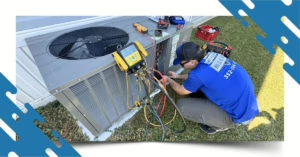
3. Refrigerant Level and System Pressure
Refrigerant is essential to the cooling process. If your system has insufficient refrigerant, there may be an underlying leak or another problem that requires attention.
An HVAC technician can evaluate refrigerant pressures and look for signs that indicate a potential refrigerant issue.
Low refrigerant may contribute to:
- Reduced cooling
- Longer cooling cycles
- Higher energy consumption
- Ice buildup
- Poor system performance
Refrigerant should not simply be added without determining why the level is low.
4. Evaporator and Condenser Coil Inspection
The evaporator coil and outdoor condenser coil are critical parts of the cooling process.
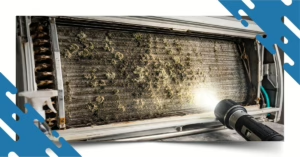
Dirt and debris buildup can restrict heat transfer and reduce AC efficiency. Your technician will inspect the coils and determine whether cleaning or additional service is needed.
Keeping these components clean can help your air conditioner operate more effectively during Florida’s hot weather.
5. Electrical Components and Connections
Electrical problems can affect both system performance and safety.
During an air conditioner inspection, the technician may evaluate components such as:
- Electrical connections
- Wiring
- Capacitors
- Relays
- Contactors
- Disconnects
- Breaker and electrical components
Loose, damaged, or deteriorated electrical connections may cause system malfunctions and should be addressed by a qualified HVAC professional.
6. Condensate Drain and Drain Line
Your AC removes moisture from the air as it operates. That moisture needs to drain properly through the condensate drain system.
A clogged drain line can result in water leaks, overflow, or system shutdowns.
Checking the condensate drain is especially important in Florida because high humidity means your AC may produce significant amounts of condensation.
7. Blower Motor and Airflow
The blower motor moves conditioned air through your home’s ductwork.
A technician may check blower operation and overall airflow to identify problems such as restricted airflow, dirty components, or motor issues.
Poor airflow can make some rooms feel warmer than others and may cause your system to run longer than necessary.
8. Overall System Performance
Finally, the technician will evaluate how the system operates as a whole.
Depending on the HVAC system, this may include checking temperatures, system operation, airflow, electrical readings, and other performance indicators.
The goal is to determine whether your air conditioner is operating properly and whether any issues require attention.
Learn More: Troubleshoot an AC Not Working
Common Problems Found During an AC Inspection
An inspection can uncover relatively small issues before they develop into expensive repairs.
Some common problems include:
- Dirty or clogged air filters: Restricted airflow can reduce comfort and make the system work harder.
- Dirty condenser coils: Dirt and debris can interfere with heat transfer and reduce cooling efficiency.
- Thermostat problems: A malfunctioning thermostat can cause inaccurate temperatures or continuous operation.
- Refrigerant leaks: A refrigerant issue can prevent the system from cooling properly.
- Electrical problems: Loose connections, failing capacitors, or damaged wiring can cause operational problems.
- Clogged condensate drains: A blocked drain can lead to water damage or AC shutdowns.
- Weak airflow: Airflow problems may originate from the blower, filter, ductwork, or other HVAC components.
- Aging or worn components: Older systems may show signs of wear that could eventually lead to a breakdown.
Signs You May Need an Air Conditioner Inspection
You don’t necessarily need to wait until your AC stops working completely.
Consider scheduling an air conditioner inspection if you notice:
- Your AC is blowing warm air
- The system runs constantly
- Your AC won’t turn off
- Rooms aren’t cooling evenly
- Airflow feels weak
- Your energy bills suddenly increase
- Your system makes unusual noises
- You notice water around the indoor unit
- Ice is forming on the AC system
- Your home feels excessively humid
- Your air conditioner frequently turns on and off
- Your system is becoming increasingly expensive to repair
These symptoms can have multiple causes, so a professional HVAC inspection is the best way to determine what’s actually happening.
When Should You Schedule an AC Inspection in Marion Oaks?
Spring is an excellent time to schedule an air conditioner inspection before the hottest part of the Florida cooling season arrives.
However, you don’t have to wait until spring.
If your AC is showing signs of a problem, schedule an inspection as soon as possible. Addressing an issue early may help prevent a more serious breakdown later.
For homeowners in Marion Oaks, regular AC maintenance can be especially valuable because air conditioners often operate for extended periods throughout the year.
What Happens After the Air Conditioner Inspection?
After the inspection, your HVAC technician should explain what they found and whether any action is recommended.
Depending on the condition of your system, the technician may recommend:
- Routine maintenance
- Air filter replacement
- Coil cleaning
- Drain line cleaning
- Electrical component repair
- Refrigerant leak diagnosis
- AC repair
- Additional HVAC troubleshooting
- Air conditioner replacement
Not every issue means you need a new air conditioner. A professional technician should explain the condition of your system and help you understand your available options.
If your system is older, requires frequent repairs, or has a major component failure, replacement may eventually be more cost-effective than continuing to repair it.
Schedule an Air Conditioner Inspection in Marion Oaks, FL
Don’t wait until your air conditioner breaks down on the hottest day of the year.
Iron Shield Heating & Air provides professional HVAC services for homeowners in Marion Oaks, FL, including air conditioner inspections, AC maintenance, AC repair, and system replacement.
Our goal is simple: keep your home comfortable, your system running reliably, and you informed about your HVAC options.
If your AC isn’t cooling properly, is running constantly, or you simply want to make sure your system is ready for Florida’s heat, contact Iron Shield Heating & Air today to schedule your air conditioner inspection in Marion Oaks.
Need AC service now?
Contact us today to schedule an inspection and find out what your system needs.
Air Conditioner Inspection FAQs
For most homeowners, professional AC maintenance at least once a year is a good starting point. Because Florida air conditioners often operate heavily throughout the year, some homeowners may benefit from more frequent service depending on system age, usage, and condition.
The time required depends on the system and what the technician finds. A basic inspection can often be completed during a standard service appointment, while troubleshooting a specific problem may take longer.
An inspection primarily identifies and evaluates potential problems. Minor maintenance or adjustments may sometimes be completed during the same appointment. If a larger repair is necessary, your technician should explain the issue and recommended solution before proceeding.
An inspection focuses on evaluating the condition and operation of your system. AC maintenance typically includes inspection along with cleaning, adjustments, testing, and other preventive service designed to keep the system operating properly.
An inspection itself doesn’t guarantee lower energy bills. However, identifying issues such as restricted airflow, dirty coils, or malfunctioning components can help address problems that may cause your system to operate inefficiently.
Yes. An air conditioner can continue running while developing problems. Preventive inspections and maintenance can help identify issues before they cause a complete breakdown.
An AC that runs continuously may have several possible causes, including thermostat problems, restricted airflow, refrigerant issues, ductwork problems, or an undersized or struggling system. A professional HVAC inspection can help determine the cause.
Replacement may make sense when an AC is older, has frequent or expensive repairs, has a major component failure, or no longer provides reliable and efficient cooling. An HVAC professional can evaluate the system and explain whether repair or replacement makes more sense.
Related Blog Posts
Read more articles and expert advice related to this service.