
Seasonal HVAC inspections might not be top of mind when you’re enjoying Ocala’s sunny days and cool springs — but they should be. When was the last time you thought about your system before it stopped working? Most homeowners don’t… until the AC quits on a blazing afternoon or the heat struggles on that one chilly night. I’ve been there — and trust me, ceiling fans only go so far in Florida heat. Why wait for a breakdown when a quick inspection can help keep things running smoothly?
Living here means your system works almost year-round thanks to heat, humidity, and pollen. That’s exactly why routine checks matter — they can be the difference between an emergency repair and a comfortable home. So ask yourself: is your HVAC system ready for the next season… or are you hoping for the best?
Understanding Ocala's Climate Challenges
If you’ve lived in Ocala for even one full year, you know our weather doesn’t hold back. Summer temperatures regularly climb into the 90s—paired with Florida’s infamous humidity—which pushes your air conditioner into overdrive. Then, as hurricane season rolls in, moisture levels skyrocket, increasing the risk of mold and mildew inside your ducts and coils.
While winters here are generally mild, we do experience the occasional cold snap. And when those chilly mornings hit, your heat pump needs to be ready to switch gears without fail. That year, my AC went out. A few months later, my heating system made strange noises one night in January—and I realized I hadn’t scheduled a fall inspection either.
Our systems are forced to work extra almost all year long due to the heat, humidity, and pollen. Routine inspections can determine whether an emergency repair or a comfortable house is needed.
So, what exactly should you expect from a seasonal HVAC checkup in Ocala?
What Does a Seasonal HVAC Inspection Include?
You may wonder, “What exactly happens during a seasonal inspection?” It’s more than just a glance at your thermostat—it’s a thorough checkup that ensures your system is ready for the demands of the season ahead. Think of it like a wellness visit for your home’s heating and cooling system.
Spring HVAC Inspection (Prep for Summer Heat)
Here in Ocala, spring inspections are crucial. With summer’s heat just around the corner, your AC needs to be running at peak performance. During a typical spring tune-up, a licensed technician will:
- Clean condenser coils to improve energy efficiency (dirty coils can increase energy usage by up to 30%!).
- Check refrigerant levels to ensure your system cools properly without overworking.
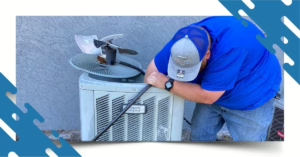
- Inspect and tighten electrical connections, lubricate moving parts, and test thermostat accuracy.
- Replace or clean air filters to boost indoor air quality and airflow.
- Clear debris from around the outdoor unit—this is particularly important after stormy spring weather.
Fall HVAC Inspection (Prep for Cooler Weather)
When the temperatures start to drop (yes, even in Florida), your heat pump or furnace should be ready. A fall inspection includes:
- Testing the heat cycle to make sure it starts and stops correctly.
- Inspecting burners, electrical components, and safety switches.
- Checking for leaks in ductwork and carbon monoxide concerns, especially if you use gas heating.
- Calibrating the thermostat for seasonal temperature shifts.
- Inspecting insulation and airflow to keep your home cozy and efficient.
These inspections aren’t just about what’s happening now—they’re about preventing unexpected breakdowns later when HVAC companies are overwhelmed with emergency calls. (Trust me, it’s much easier to book a checkup in March or October than during a heatwave or cold spell.)
Pro Tip: Set a reminder on your phone to schedule inspections in March (before summer) and October (before winter). Most local HVAC companies, including Iron Shield Heating & Air, offer seasonal tune-up packages to make this process super easy and affordable.
For a detailed walkthrough of seasonal HVAC maintenance steps—including coil cleaning and thermostat calibration—check out this guide from Energy Star.
Top Benefits of Seasonal HVAC Inspections for Ocala Homeowners
So, is seasonal HVAC maintenance worth it?
For many homeowners, regular inspections can help prevent avoidable problems and keep the system operating reliably. Here are five important benefits.
1. Help Improve HVAC Efficiency
An HVAC system with dirty components, restricted airflow, or developing mechanical problems may have to work harder to maintain your desired temperature.
During a seasonal inspection, a technician can identify conditions that may affect system performance, such as:
- Dirty coils
- Restricted airflow
- Clogged filters
- Poor thermostat operation
- Electrical issues
- Refrigerant problems
- Ductwork concerns
Keeping your system properly maintained can help it operate more efficiently and may help reduce unnecessary energy consumption.
A system that does not have to work harder than necessary can provide more consistent comfort while helping you manage your energy costs.
2. Reduce the Risk of Unexpected HVAC Breakdowns
An HVAC problem rarely happens at a convenient time.
A worn component or electrical issue may seem minor during a routine inspection but could eventually cause a complete system shutdown. Seasonal HVAC inspections give a technician an opportunity to identify potential problems before they develop into more serious repairs.
This is especially important before Ocala’s hottest summer days, when your air conditioner may operate for hours at a time.
Preventative HVAC maintenance does not guarantee that your system will never break down, but it can help reduce the risk of avoidable failures.
3. Help Extend the Life of Your HVAC System
Your heating and cooling system is a significant investment. Regular maintenance can help protect that investment by identifying wear, keeping components clean, and addressing problems before they cause additional damage.
Neglected HVAC equipment can experience unnecessary strain, which may contribute to premature component failure.
Routine HVAC maintenance in Ocala, FL can help keep your equipment operating properly throughout its service life and may help you get more value from your system before replacement becomes necessary.
4. Support Better Indoor Air Quality
Ocala homeowners deal with pollen, dust, humidity, and other airborne particles throughout the year. Your HVAC system plays an important role in circulating and filtering indoor air.
During a seasonal inspection, your technician can check areas that affect airflow and indoor air quality, including:
- Air filters
- Evaporator and condenser coils
- Blower components
- Ductwork
- Condensate drainage
- Overall system airflow
Regular filter replacement and proper HVAC maintenance can help reduce dust and improve airflow.
If your home has persistent humidity, odors, dust, or air-quality concerns, you may also benefit from discussing additional indoor air quality solutions with an HVAC professional.
5. Improve Comfort and System Reliability
Few things are more frustrating than setting your thermostat to the temperature you want and discovering that certain rooms are still too hot or too cold.
Poor airflow, thermostat problems, dirty components, ductwork issues, and equipment problems can all affect comfort.
A seasonal inspection helps identify conditions that may contribute to:
- Uneven temperatures
- Weak airflow
- Long cooling cycles
- Frequent system cycling
- Inconsistent heating or cooling
- Unusual system noises
- Unexpected temperature changes
Regular maintenance can help your HVAC system deliver more consistent comfort when you need it most.
Personal Note: Following a fall inspection, the technician discovered a small crack in our furnace’s heat exchanger. It hadn’t caused problems yet, but it could have allowed carbon monoxide to leak into our home. That one checkup could’ve prevented a significant safety issue—and that peace of mind is priceless.
Signs Your HVAC System Needs Attention
Even with regular inspections, it’s essential to remain vigilant for signs that your HVAC system may be in trouble. Here are some red flags Ocala homeowners should never ignore:
- A sudden increase in your utility bill often means your system is working harder than it should.
- Poor airflow could signal blocked ducts, a clogged filter, or a failing blower motor.
- If your AC blows warm or your heater blows cold, something’s not working right.
- Banging, rattling, or squealing sounds typically indicate mechanical issues.
- Musty or burning smells may indicate mold, dust buildup, or overheating parts.
- If your system turns on and off too often, it’s likely struggling to maintain the set temperature.
- Hot and cold spots in your home can suggest airflow issues or a malfunctioning thermostat.
Trust your instincts. If your system “just doesn’t feel right,” don’t wait until it breaks down completely. Most HVAC issues start small—seasonal inspections help identify them early before they develop into big, expensive problems.
Protect Your Home and Comfort with Seasonal HVAC Care
Your HVAC system does more than just heat and cool your home—it protects your comfort, health, and peace of mind throughout every season in Ocala. Just like any critical system in your life, it requires regular attention and care to perform at its best.
From personal experience, I’ve learned that waiting until something breaks isn’t just inconvenient—it’s stressful and expensive. But with a simple, seasonal inspection, you can prevent breakdowns, breathe cleaner air, lower your energy bills, and extend the life of your system.
At Iron Shield Heating and Air, we’re proud to serve our Ocala neighbors with honest, reliable, and expert HVAC care. Whether it’s your first seasonal tune-up or you’re getting back on track, we’re here to help—without pressure and with your comfort as our top priority.
Are you ready to schedule your seasonal HVAC inspection?
Call Iron Shield Heating and Air today or book online—we’ll make sure your system is prepared for whatever Florida’s weather throws your way.
Frequently Asked Questions About Seasonal HVAC Inspections
Many homeowners benefit from having their HVAC system professionally inspected and maintained twice a year—typically in spring and fall. Your equipment’s age, condition, and manufacturer’s recommendations may require more frequent service.
Not necessarily. An AC tune-up generally focuses on the cooling system and preparing it for summer operation. A seasonal HVAC inspection can be broader and may include heating, cooling, airflow, thermostat operation, electrical components, and other system checks depending on the season and equipment.
Proper maintenance can help your HVAC system operate efficiently by addressing issues such as restricted airflow, dirty components, and other conditions that can reduce performance. However, actual energy savings vary depending on the system’s condition, age, home efficiency, thermostat settings, and other factors.
They cannot guarantee that a system will never fail, but inspections can help identify worn or malfunctioning components before they develop into more serious problems. Preventative maintenance is one part of a broader strategy for improving HVAC reliability.
The time required depends on the type of system, its condition, and the scope of the inspection. A technician can provide a more accurate estimate when scheduling the appointment.
Make sure the technician can access the indoor HVAC equipment, thermostat, air filter, and outdoor unit. It is also helpful to mention any unusual noises, odors, temperature problems, or recent changes in system performance.
You don’t necessarily need to. Your technician can inspect the filter and recommend replacement if it is dirty or restricted. Regular filter replacement is an important part of routine HVAC maintenance.
Yes. An inspection can help identify developing problems and provide useful information about the condition of an older system. It can also help you determine whether continued repairs or eventual HVAC replacement makes more sense.
Related Blog Posts
Read more articles and expert advice related to this service.