
Is the air inside your home starting to feel stuffy, dusty, or just… not as fresh as it used to be? You’re definitely not alone. Many homeowners in Lady Lake, FL deal with the same issues—especially with our mix of dust, pollen, humidity, and year-round HVAC usage. The good news? This air filter replacement guide will help you understand why your air may feel “off” and show you how something as simple as replacing your HVAC air filter can make a huge difference in your comfort.
Most people don’t realize it, but your HVAC air filter plays a much bigger role in your home’s environment than just catching dirt. It affects everything—your indoor air quality, your system’s performance, your monthly energy bills, and even your family’s health. If your allergies are acting up, your AC seems to be working harder than usual, or your home feels unusually dusty, your air filter could be the reason.
And if you’ve been asking yourself questions like:
How often should I replace my air filter?
Which air filter type is actually best for my home?
How do I change it safely and correctly?
You’re in exactly the right place. This guide will walk you through everything step-by-step, in a clear and friendly way, so you can enjoy cleaner air, a healthier HVAC system, and lower energy costs—all without stress or confusion.
Why Air Filter Replacement Matters More Than You Think
It’s easy to overlook your air filter—after all, it’s tucked away behind a vent or inside your HVAC unit. But this small, inexpensive component plays a huge role in keeping your home comfortable and your family healthy.
It quietly traps dust, pollen, pet dander, mold spores, and all the tiny particles you definitely don’t want circulating through your home.
Here in Lady Lake, where we battle high humidity, seasonal pollen, and frequent AC use, filters tend to get dirty much faster than in other areas. When that happens, a few problems start piling up:
Your HVAC System Works Harder Than It Should
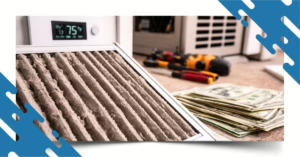
A clogged filter restricts airflow. When air can’t move freely, your system has to work overtime just to push air through your home. That leads to:
Higher monthly utility bills
More strain on your HVAC components
Shortened system lifespan
Increased likelihood of breakdowns
Your Indoor Air Quality Declines
If your filter can’t trap pollutants anymore, they go right back into your air—and into your lungs. This can lead to:
Allergies flaring up
Asthma symptoms worsening
More dust settling on surfaces
Dry throat, itchy eyes, headaches
Poor sleep quality
You may even notice that your home feels stale or stuffy no matter how often you clean.
Your Comfort Suffers
Restricted airflow doesn’t just hurt your air quality—it impacts your comfort as well. You might notice:
Hot or cold spots in different rooms
Longer cooling or heating times
Your system cycling on and off constantly
Replacing your air filter regularly is one of the simplest and most affordable ways to avoid all of this. A clean filter helps your HVAC system breathe better—so your family can breathe better too.
How Often Should You Replace Your Air Filter?
One of the most common HVAC maintenance questions homeowners ask is, “How often should I change my air filter?”
For many residential HVAC systems, a good starting point is to check your air filter every 30 days and replace it when it becomes dirty. Depending on your home, filter type, HVAC system, and lifestyle, replacement may be needed approximately every 30 to 90 days.
Replace Your Air Filter About Every 30 Days If You:
- Have multiple pets
- Have household members with allergies or respiratory sensitivities
- Run your HVAC system frequently
- Live near construction or particularly dusty areas
- Notice visible dust returning quickly after cleaning
- Use a thinner, lower-capacity filter
Consider Replacing It About Every 60 Days If You:
- Have one pet
- Have average indoor air quality
- Use your HVAC system regularly
- Have moderate household activity
A 90-Day Replacement Schedule May Work If You:
- Live alone
- Have no pets
- Have relatively low household dust
- Don’t run your HVAC system frequently
- Use a filter designed for longer service intervals
However, don’t rely solely on a calendar. Check your filter regularly. Your home’s conditions can cause a filter to become dirty much sooner than expected.
If you’re unsure, it’s always better to check your filter monthly. A quick peek can tell you a lot.
Set a recurring reminder on your phone. Most people forget—not because they don’t want to replace the filter, but because it’s out of sight, out of mind.
Choosing the Right Air Filter for Your Lady Lake Home
With so many air filter options on the market, it’s easy to feel overwhelmed. But don’t worry—we’ll simplify it for you. The best filter for your home depends on your air quality needs, HVAC setup, and budget.

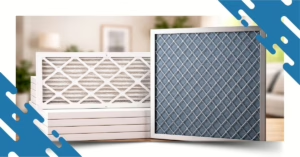
Fiberglass Filters
- Have one or more pets
- Have allergies or asthma
- Run your AC or heat almost nonstop
- Live near construction or dusty roads
- Dust buildup returns fast after cleaning.

Pleated Filters
- Have one or more pets
- Have allergies or asthma
- Run your AC or heat almost nonstop
- Live near construction or dusty roads
- Dust buildup returns fast after cleaning.

HEPA Filters
- Have one or more pets
- Have allergies or asthma
- Run your AC or heat almost nonstop
- Live near construction or dusty roads
- Dust buildup returns fast after cleaning.
When selecting a filter, consider its MERV rating, which indicates its effectiveness in removing particles. For most homes, a MERV rating between 8 and 13 offers a good balance of filtration and airflow.
Remember, a super-high rating isn’t always better if your system can’t handle it—this could strain your HVAC. If you’re unsure which filter best suits your system, don’t hesitate to reach out. We’re here to help you pick the perfect fit!
What Does the MERV Rating Mean?
You may have noticed numbers such as MERV 8, MERV 11, or MERV 13 printed on HVAC air filters.
MERV stands for Minimum Efficiency Reporting Values. The rating indicates how effectively a filter captures certain airborne particles.
A higher MERV rating generally means greater filtration efficiency, but higher isn’t automatically better for every HVAC system.
A filter that is too restrictive can reduce airflow and place additional strain on a system that isn’t designed for it.
For many residential applications, filters in the MERV 8–13 range may be appropriate, but always follow your HVAC manufacturer’s recommendations.
If you’re considering moving to a higher-efficiency filter, verify that your HVAC system can handle it.
Step-by-Step Air Filter Replacement Guide
Replacing your air filter may sound intimidating, but it’s actually one of the easiest ways to improve your home’s air quality and protect your HVAC system. With a few simple steps, you can have fresh, clean air circulating in no time.
1. Turn Off Your HVAC System
Before you touch anything, turn off your heating or cooling system. This keeps dust from circulating while you work and protects your HVAC unit from potential damage. Safety first!
2. Locate Your Air Filter
Most filters are found in one of two places:
Inside the return air duct, usually behind a grille
Inside the blowers compartment of your HVAC unit
Not sure where yours is? Check your system’s manual, or give us a call—we can guide you over the phone or send a technician if needed.
3. Remove the Old Filter
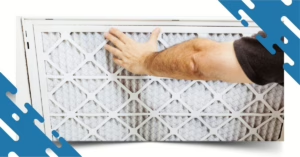
Slide the old filter out carefully. Take note of the size and model printed on the frame—this ensures you get the correct replacement. Also, check the filter itself: if it’s covered in dust, pollen, or pet hair, that’s a sign you’re due for a change.
4. Inspect the New Filter
Before inserting the new filter:
Make sure it’s the correct size
Check for damage to the frame or filter material
Look for the airflow arrow—it should point toward the HVAC system, not the room
5. Install the New Filter
Slide the new filter into place. It should fit snugly without forcing it. If it seems loose or bent, double-check the size. A proper fit ensures that all air passes through the filter, not around it.
6. Turn Your System Back On
Power up your system and enjoy the fresh, clean air!
Pro Tip: Keep at least one spare filter on hand. That way, you’ll never be caught off guard, and changing your filter can become a fast, easy habit.
Frequently Asked Questions About Air Filters
Many homeowners should replace their air filter approximately every 30 to 90 days, but the ideal schedule depends on factors such as pets, allergies, household size, indoor air quality, filter type, and HVAC usage. Checking your filter monthly is a good habit.
Remove the filter and inspect it. If it is visibly covered with dust, dirt, pet hair, or other debris, it’s generally time to replace it. You should also check for symptoms such as reduced airflow or increased dust around the home.
There isn’t one filter that’s best for every home. The right choice depends on your HVAC equipment, filter size, desired filtration level, and airflow requirements. Pleated filters are a common residential option, while higher-efficiency filters may be appropriate for certain systems.
No. A higher MERV rating can provide greater particle filtration, but a filter that is too restrictive for your HVAC system may reduce airflow. Always follow your equipment manufacturer’s recommendations.
Yes. A heavily loaded filter can restrict airflow, which may cause your HVAC system to work harder or run longer to maintain the desired temperature.
Most standard disposable HVAC filters are designed to be replaced, not washed and reused. Some specialized filters are reusable, but you should only clean a filter if the manufacturer specifically identifies it as washable or reusable.
The correct size depends on your HVAC system and filter compartment. Check the dimensions printed on your current filter or refer to your HVAC manufacturer’s specifications.
Not necessarily. True HEPA filters can be highly restrictive, and many standard residential HVAC systems aren’t designed to accommodate them. Consult your HVAC manufacturer or an HVAC professional before installing one.
A properly selected and maintained air filter can help capture airborne particles and support better indoor air quality. However, indoor air quality depends on several factors, including ventilation, humidity, ductwork, filtration, and potential pollutant sources.
A severely dirty filter can restrict airflow, reduce HVAC efficiency, increase system strain, contribute to comfort problems, and potentially contribute to equipment issues. Regular filter inspection and replacement is an inexpensive way to help protect your HVAC system.
It’s a good idea to have a clean, properly installed filter during normal HVAC operation. However, a professional tune-up involves much more than replacing the filter and should still be performed according to your system’s maintenance needs.
When to Call Iron Shield Heating & Air
While changing your air filter is a relatively easy DIY task, your HVAC system may require a professional touch at times. Here are a few signs it’s time to call the experts:
- You notice uneven heating or cooling in different rooms
- Your energy bills are suddenly higher without an explanation
- The system is making strange noises or frequently turning on and off
- You spot excessive dust buildup, or allergies are worsening despite regular filter changes
If any of these sound familiar, don’t wait! Our Iron Shield Heating and Air team is ready to provide a thorough inspection, tune-up, or repair to keep your system running smoothly and your home comfortable.
Serving Lady Lake, FL with fast, friendly, and reliable service—we’re just a call away!
Related Blog Posts
Read more articles and expert advice related to this service.