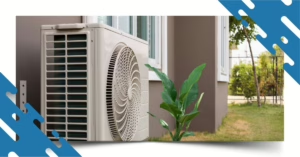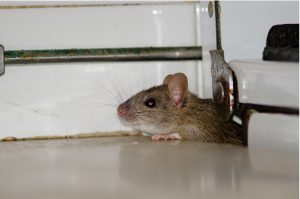

Mice may be small, but they can cause surprisingly expensive damage to your outdoor AC unit. During cooler weather, rodents often look for warm, sheltered spaces—and your air conditioner condenser can provide exactly what they need.
Once mice get inside an outdoor HVAC unit, they may build nests, chew electrical wires, damage insulation, and leave behind droppings and urine. These problems can lead to AC electrical issues, poor cooling performance, unusual noises, system damage, and costly repairs.
Fortunately, there are several practical ways to keep mice out of outdoor AC systems and reduce the risk of rodent damage.
Let us explain why mice are attracted to outdoor AC units and share 8 effective tips to help keep mice, rats, and other pests away from your HVAC system.
Why Do Mice Get Into Outdoor AC Units?
Your outdoor air conditioner provides several things mice are looking for: shelter, protection from predators, and a relatively quiet environment.
While the AC condenser itself isn’t necessarily a food source, the area surrounding the unit can become attractive to rodents when it has:
- Leaves, grass, or other yard debris
- Wood piles or stored materials
- Mulch and dense landscaping
- Standing water or excessive moisture
- Pet food or animal waste
- Fallen fruit or other food sources
- Small openings around electrical lines, refrigerant lines, or ductwork
Mice can squeeze through surprisingly small openings. Once they find a protected location, they may build a nest inside or underneath the outdoor AC equipment.
Can Mice Damage an Outdoor AC Unit?
Yes. Rodents can cause several types of HVAC damage, particularly by chewing on electrical components and wiring.
Potential problems include:
- Chewed electrical wires
- Damaged insulation
- Blocked airflow
- Nesting materials inside the condenser
- Contaminated areas from droppings and urine
- Damaged electrical components
- Reduced AC efficiency
- Unexpected system breakdowns
Rodent damage can turn a relatively simple pest problem into an AC repair or electrical repair.
8 Tips to Keep Mice Out of Your Outdoor AC
1. Keep the Area Around Your AC Unit Clean
One of the easiest ways to discourage mice is to eliminate places where they can hide.
Keep at least 2 feet of clear space around your outdoor condenser whenever possible. Remove:
- Leaves and grass clippings
- Wood piles
- Cardboard
- Yard debris
- Excessive mulch
- Tools and stored equipment
- Other clutter
A clean area makes the space less attractive to rodents while also helping maintain proper airflow around your air conditioner.
2. Trim Plants and Landscaping Around the Condenser
Overgrown grass, shrubs, and plants can provide mice with a protected pathway directly to your AC unit.
Keep vegetation trimmed and avoid allowing branches or dense plants to touch the condenser. Maintaining a clear perimeter can make it more difficult for rodents to approach the equipment unnoticed.
As an added benefit, proper landscaping around the condenser can improve airflow and make routine HVAC maintenance easier.
3. Install a Proper Mesh Barrier
A properly installed steel mesh screen can help prevent mice and other rodents from entering vulnerable areas of an outdoor AC system.
Choose a durable, rodent-resistant material and make sure it doesn’t restrict the condenser’s airflow or interfere with moving components.
Never cover the entire outdoor condenser with an airtight or solid enclosure while the system is operating. Your AC needs adequate airflow to operate safely and efficiently.
If you’re unsure where a protective screen can be installed, ask an HVAC professional for guidance.
4. Seal Potential Entry Points
Inspect the areas around your outdoor AC unit for openings where rodents may enter.
Pay particular attention to:
- Electrical conduit openings
- Refrigerant line penetrations
- Gaps around the equipment pad
- Wall penetrations
- Duct or vent openings
- Cracks and other openings near the home
Use appropriate rodent-resistant materials to seal gaps. Expanding foam alone may not be enough, because mice can chew through many common materials.
If an opening involves your HVAC equipment or electrical wiring, have it inspected by a qualified professional before making repairs.
Learn More: 3 Tips to Seal Up HVAC Wall Penetrations for Maximum Protection Against Mice and Rats
5. Reduce Moisture Around Your HVAC System
Mice are attracted to areas where water and shelter are readily available.
Check your property for:
- Clogged gutters
- Leaking downspouts
- Standing water
- Condensate drainage problems
- Leaking outdoor plumbing
- Poor drainage around the AC pad
Make sure water is directed away from the foundation and HVAC equipment.
Keeping the area dry can help make your outdoor AC system less attractive to rodents and other pests.
6. Schedule Regular AC Inspections and Maintenance
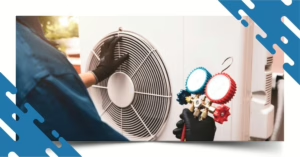
Routine air conditioning maintenance can help identify signs of rodent activity before they become major problems.
During an inspection, an HVAC technician can look for issues such as:
- Chewed wiring
- Damaged insulation
- Nesting materials
- Debris inside the condenser
- Corrosion
- Electrical problems
- Airflow restrictions
- Other signs of equipment damage
Regular maintenance also helps keep your AC system operating efficiently throughout Florida’s hot and humid weather.
7. Eliminate Food Sources Near the AC Unit
Your outdoor AC unit may not provide food, but the surrounding property might.
To discourage mice and rats, keep potential food sources away from the HVAC system. This includes:
- Pet food
- Bird seed
- Fallen fruit
- Open trash containers
- Compost
- Food waste
- Animal droppings
Store food and garbage in sealed containers and clean up spills promptly.
The fewer reasons rodents have to stay around your property, the less likely they are to investigate your outdoor AC equipment.
8. Call Pest Control if You See Signs of Mice
If you notice evidence of rodents around your outdoor AC unit, don’t ignore it.
Common signs include:
- Mouse droppings
- Nesting materials
- Chewed wires
- Gnaw marks
- Unusual smells
- Scratching sounds
- Damaged insulation
- Grease or dirt marks along possible entry points
An HVAC company can inspect the equipment for AC damage, while a qualified pest-control professional can address an active rodent infestation.
If mice have entered the equipment, avoid reaching inside the condenser yourself. Rodents may damage electrical wiring, and the equipment can contain electrical hazards.
What Happens If Mice Get Inside an Outdoor AC Unit?
A mouse nest inside an air conditioner can interfere with normal operation and potentially damage important components.
For example, mice may chew electrical wiring or insulation. Nesting materials can also restrict airflow or create debris inside the equipment.
If wiring has been damaged, the AC system may:
- Stop working completely
- Trip a breaker
- Fail to start
- Operate intermittently
- Experience electrical component failures
Rodent contamination can also create unpleasant odors and sanitation concerns.
If you suspect mice have gotten inside your outdoor AC condenser, turn the system off if it is safe to do so and contact a qualified HVAC professional for an inspection.
Should You Put a Cover Over Your Outdoor AC Unit to Keep Mice Out?
Generally, you should not completely cover an outdoor AC condenser while it’s operating.
A solid cover can restrict airflow and potentially cause problems when the system is running. It may also create a sheltered environment that rodents find attractive.
Instead, focus on rodent-proofing the surrounding area, sealing appropriate entry points, controlling moisture, keeping vegetation trimmed, and using professionally recommended protective barriers where appropriate.
If you’re considering an AC cover for seasonal storage, follow the equipment manufacturer’s recommendations.
How to Keep Rats and Other Pests Out of Your AC Unit
The same prevention strategies that help keep mice out of outdoor AC units can also discourage rats, squirrels, snakes, and other unwanted pests.
Start with the basics:
- Keep vegetation trimmed.
- Remove clutter and debris.
- Eliminate food sources.
- Control standing water.
- Seal openings around the property.
- Inspect your AC equipment regularly.
- Address pest activity quickly.
- Schedule professional HVAC maintenance.
A pest-resistant outdoor AC area is also easier to inspect and maintain.
When Should You Call an HVAC Professional?
Some pest-prevention tasks are simple, but HVAC equipment contains electrical components that shouldn’t be handled without proper training.
Contact a professional HVAC technician if you notice:
- Chewed wires
- Burning or unusual electrical smells
- AC won’t turn on
- Frequent breaker trips
- Unusual noises from the condenser
- Nesting materials inside the unit
- Damaged electrical components
- Poor or inconsistent cooling
- Visible damage to the outdoor condenser
If you see an active infestation, contact a qualified pest-control professional as well.
At Iron Shield Heating & Air, we help homeowners keep their air conditioning systems operating safely and efficiently. Our experienced HVAC technicians can inspect your AC system, identify potential problems, and provide professional AC maintenance and repair when needed.
If you suspect that mice or other pests have damaged your air conditioner, don’t wait for a small problem to become an expensive breakdown.
Need professional AC service in Ocala, FL? Contact Iron Shield Heating & Air today to schedule an inspection or request a quote.
Iron Shield Heating & Air
We install it. We service it. We stand behind it.
Frequently Asked Questions About Keeping Mice Out of Outdoor AC Units
Keep the area around your condenser clean and dry, trim nearby vegetation, remove potential food sources, seal appropriate openings, and consider a properly installed rodent-resistant mesh barrier. Regular HVAC inspections can also help identify signs of rodent activity early.
Outdoor AC units provide mice with shelter and protection. The surrounding landscaping may also provide food, moisture, and hiding places, making the area attractive to rodents.
Yes. Mice and other rodents can chew electrical wiring and insulation. Damaged wiring can cause electrical problems and may prevent your air conditioner from operating properly.
Yes. Rodents can damage wiring, insulation, electrical components, and other parts of an HVAC system. They can also leave behind nesting materials and droppings.
Avoid placing rodent poison directly inside or around HVAC equipment without professional guidance. Poisoned rodents can also die in inaccessible areas, creating odor and sanitation problems. If you have an infestation, consider contacting a licensed pest-control professional.
Some homeowners use peppermint oil or other strong scents as a temporary deterrent, but these methods shouldn’t be relied on as a long-term solution. Physical exclusion, proper sanitation, moisture control, and professional pest management are more reliable approaches.
Don’t cover an operating outdoor condenser with a solid cover because the system needs adequate airflow. Instead, focus on keeping the surrounding area clean, sealing appropriate openings, and using suitable protective barriers when recommended.
Check the area around your condenser regularly, particularly after periods of heavy rain or cooler weather when rodents may seek shelter. During professional HVAC maintenance, ask your technician to look for signs of rodent damage or nesting.
Don’t reach into the equipment or attempt to repair damaged wiring yourself. Turn the system off if it is safe to do so and contact an HVAC professional to inspect the equipment. If there is an active infestation, contact pest control as well.
Related Blog Posts
Read more articles and expert advice related to this service.