
When warm weather arrives, your air conditioner provides welcome relief from the heat—but unfortunately, it can also become an inviting hiding place for bugs and other pests.
Insects are attracted to dark, sheltered areas, moisture, food sources, and the cooler environment around HVAC equipment. Small gaps around AC vents, ductwork, electrical lines, and the outdoor air conditioning unit can provide easy access to your home.
But you can take several simple steps to bug proof air conditioner and reduce the risk of pests getting into your HVAC system.
In this guide, we’ll explain how bugs get into air conditioners, what attracts them, and the best ways to protect your AC unit, air ducts, vents, and home.
Why Should You Bug Proof Your Air Conditioner?
Keeping insects and pests away from your HVAC system isn’t just about avoiding an unpleasant surprise. A pest infestation can potentially affect your home’s cleanliness, indoor air quality, comfort, and even your air conditioner’s performance.
Problems Bugs Can Cause in an AC System
Depending on the type of pest, an infestation may lead to:
- Unpleasant odors coming from AC vents
- Insects appearing inside your home
- Droppings or nesting materials near HVAC components
- Damage to electrical wiring or insulation
- Restricted airflow
- Dirty or contaminated components
- Increased strain on your air conditioner
- Potentially expensive HVAC repairs
- Reduced indoor air quality
Common pests that may find their way around HVAC equipment include ants, cockroaches, spiders, mosquitoes, wasps, rodents, and other insects.
Preventing pests from entering your system is much easier than dealing with an infestation after it has already developed.
How Do Bugs Get Into Your Air Conditioner?
Understanding how pests enter your HVAC system is the first step toward keeping them out.
1. Gaps Around AC Vents
Small gaps around supply vents, return vents, registers, and duct connections can provide an entry point for insects.
Inspect the areas around your vents for visible gaps or loose seals. If you notice cracks or openings, they should be properly sealed.
2. Cracks and Gaps in Ductwork
Damaged or poorly sealed ductwork can create pathways between your HVAC system and other areas of your home.
Besides allowing pests to enter, leaking ducts can also allow conditioned air to escape, making your system work harder.
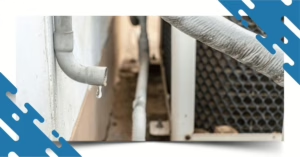
3. Openings Around Pipes and Wiring
Your air conditioner requires electrical wiring, refrigerant lines, drain lines, and other connections that pass through walls.
If these openings aren’t properly sealed, bugs can use them as entry points into your home.
4. Your Outdoor AC Unit
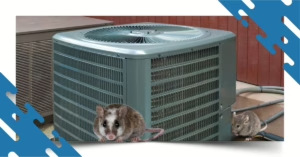
Your outdoor condenser is exposed to the elements year-round. Bugs and other pests may hide underneath or around the unit, especially when there is excessive vegetation, moisture, leaves, or debris nearby.
Keeping the area around your condenser clean and accessible can help discourage pests.
What Attracts Bugs to an Air Conditioner?
Your air conditioner itself isn’t necessarily attracting bugs. In many cases, the environment around the HVAC system is what makes the area appealing.
Common attractants include:
- Standing water
- Excess moisture
- Overgrown grass
- Shrubs touching the outdoor unit
- Leaves and organic debris
- Mulch
- Poor drainage
- Cracks and gaps
- Food or trash near the equipment
- Dark, sheltered spaces
Learn More: How To Prevent Bugs From Coming Through Air Conditioner Vents
Keep the Area Around Your Outdoor AC Unit Clear
Maintain approximately 2 feet of clearance around your outdoor condenser whenever possible.
Trim grass, weeds, and shrubs away from the unit, and regularly remove leaves, branches, and other debris.
This improves accessibility for maintenance while making the area less attractive to pests.
7 Best Ways to Bug Proof Your Air Conditioner
1. Schedule Regular AC Maintenance
Routine air conditioner maintenance is one of the best ways to identify potential pest entry points before they become bigger problems.
During professional HVAC maintenance, a technician can inspect components, duct connections, drain lines, electrical connections, and other areas where problems may develop.
Regular maintenance can also help your system operate efficiently and reliably.
For most homeowners, scheduling AC maintenance at least once a year is a smart preventive measure. Systems that run heavily during Florida’s hot weather may benefit from more frequent inspections.
2. Replace Your Air Filter Regularly
A clean air filter helps protect your HVAC system from dust and airborne particles while supporting proper airflow.
Check your filter regularly and replace it according to the manufacturer’s recommendations.
A dirty filter won’t necessarily cause a bug infestation, but poor HVAC maintenance can contribute to dust buildup and reduced airflow, making the system less clean and efficient.
3. Seal Gaps Around Ductwork and Vents
Inspect your HVAC system for visible cracks, gaps, or damaged seals.
Pay particular attention to:
- Air vents
- Return air registers
- Duct connections
- Areas where ducts enter walls or ceilings
- Refrigerant line openings
- Electrical penetrations
- Condensate drain areas
Use appropriate HVAC sealing materials rather than relying on temporary fixes.
Avoid covering or blocking an AC vent with mesh, tape, or other materials that restrict designed airflow. If you suspect a vent is allowing insects into your home, have an HVAC professional inspect the opening and determine the appropriate solution.
4. Keep Your Outdoor AC Unit Clean
Your outdoor condenser needs proper airflow to operate efficiently.
Remove leaves, grass clippings, branches, and other debris from around the unit. Keep plants trimmed back and avoid allowing vegetation to grow directly against the condenser.
A clean, accessible area makes routine HVAC maintenance easier and reduces potential hiding places for pests.
5. Control Moisture Around Your HVAC System
Many insects thrive in damp environments.
Check around your air conditioner for:
- Standing water
- Clogged condensate drains
- Excessive condensation
- Drainage problems
- Leaking pipes
- Wet soil around the condenser
If you notice unexplained water around your HVAC equipment, don’t simply treat it as a pest problem. Excess moisture may indicate an AC drainage or equipment issue that should be inspected by an HVAC professional.
6. Maintain Your Landscaping
Your landscaping can have a surprisingly large impact on pest activity around your air conditioner.
Keep grass and shrubs trimmed, remove leaves and organic debris, and avoid creating areas where water can collect.
Consider using landscaping materials that don’t retain excessive moisture around your HVAC equipment.
The goal is to create a clean, dry, well-maintained area around your outdoor AC unit.
7. Have Your Ductwork Inspected
If you frequently see insects coming from your AC vents, don’t assume that spraying insecticide into the vent will solve the problem.
The actual source could be a gap, damaged ductwork, an improperly sealed connection, or another opening.
A professional HVAC duct inspection can help identify potential entry points and determine whether your ductwork needs sealing, repair, or cleaning.
When Should You Call a Pest Control Professional?
If you suspect that your home or HVAC system has a pest infestation, it’s important to identify the source.
Signs of a possible infestation include:
- Bugs repeatedly coming from AC vents
- Droppings around HVAC equipment
- Nesting materials
- Unusual pest activity near the condenser
- Unpleasant or unusual odors
- Scratching or movement sounds
- Damaged wiring or insulation
- Large numbers of insects around the HVAC system
An HVAC technician can inspect the air conditioning equipment and identify mechanical or ductwork issues, while a pest control professional can address an active infestation.
In some situations, both HVAC and pest control services may be needed.
If you’re seeing bugs coming from your AC vents, noticing unusual odors, or finding signs of pests around your HVAC system, don’t ignore the problem.
Iron Shield Heating & Air can help inspect your air conditioning system, identify potential HVAC issues, and recommend the right solution to keep your home comfortable.
📞 Need AC service in Ocala or surrounding areas? Contact Iron Shield Heating & Air today to schedule professional HVAC service.
Frequently Asked Questions About Bug Proofing an Air Conditioner
Yes. Bugs can enter through gaps around ductwork, vents, electrical connections, refrigerant lines, drain lines, and other openings. Outdoor AC units can also provide sheltered areas where insects and pests may hide.
Bugs coming from an AC vent may indicate an opening or gap somewhere in the ductwork or surrounding structure. However, the insects may also be entering the home through another nearby opening. If the problem happens repeatedly, an HVAC inspection can help locate the source.
Start by inspecting the vents and surrounding areas for cracks or gaps. Check your ductwork for leaks and make sure openings around HVAC components are properly sealed. Avoid installing anything that restricts the designed airflow of the vent.
Yes. Certain pests can damage wiring, insulation, electrical components, and other parts of an HVAC system. Pest activity can also contribute to odors and unsanitary conditions.
A dirty filter isn’t necessarily a direct cause of an insect infestation. However, regularly replacing your filter is an important part of HVAC maintenance and helps keep your system cleaner while maintaining proper airflow.
For many homeowners, professional AC maintenance at least once a year is recommended. Regular maintenance helps identify issues such as dirty components, drainage problems, worn parts, and potential entry points before they become larger problems.
No. Spraying insecticides or other chemicals directly inside your HVAC system can damage components and potentially affect indoor air quality. If you suspect an infestation, contact a qualified pest control professional and have your HVAC system inspected.
Keeping approximately 2 feet of clear space around the outdoor condenser is a good general maintenance guideline. Always follow the clearance requirements specified by your equipment manufacturer.
Regular HVAC maintenance can help identify gaps, damaged ductwork, drainage issues, and other conditions that may contribute to pest problems. It also helps keep your air conditioning system operating properly.
Related Blog Posts
Read more articles and expert advice related to this service.