
When the temperatures drop, the last thing you expect is for your heating system to ice over. Yet, many homeowners are surprised when their HVAC freezes in cold weather, even in places like Ocala, where winters are usually mild. You turn up the thermostat hoping for warmth, but instead, the system struggles, airflow weakens, and in some cases, you may even spot ice forming on the outdoor unit. It’s frustrating, uncomfortable, and can leave you worried about costly repairs.
HVAC systems are designed to keep you comfortable, but cold weather can reveal hidden issues that cause them to freeze up. In most cases, it’s not a sign of total system failure—it’s a warning that something needs attention.
Despite the name, an HVAC unit isn’t supposed to “freeze” at all. The system works by transferring heat—absorbing it from one area and moving it to another. In the winter, your heat pump is designed to pull warmth from the outside air (yes, even when it feels cold) and deliver it into your home.
When everything is running smoothly, this process keeps your living space comfortable. However, when airflow is restricted, refrigerant levels are imbalanced, or the defrost cycle fails, the heat exchange process becomes disrupted. That’s when condensation turns into ice and begins to coat your coils or outdoor unit.
Your HVAC is working hard to keep you warm, but if something’s slowing it down, it’s almost as if the system gets “stuck.” Ice builds up, efficiency drops, and your home never feels as warm as it should. Left unchecked, freezing can strain the system and even cause long-term damage.
Common Reasons Why Your HVAC Freezes in Cold Weather
If your HVAC is freezing up, don’t panic. It usually comes down to a handful of common issues. Knowing what to look for can save you time, money, and a lot of chilly nights. Here are the top reasons your system ices over when temperatures drop:
1. Poor Airflow
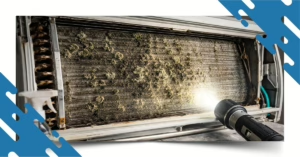
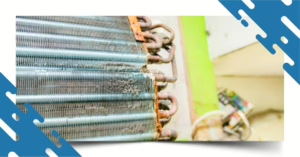
Your HVAC system depends on consistent, unobstructed airflow to work correctly. When that airflow is restricted—whether from a clogged filter, blocked vents, or dust-covered coils—the system struggles to pull in enough air. Without proper airflow, the evaporator coils get too cold, and the moisture around them begins to freeze.
What starts as a thin layer of frost can quickly turn into a thick sheet of ice that spreads across your system. The fix? Simple maintenance. Changing air filters regularly, cleaning dust buildup, and ensuring vents aren’t blocked by furniture can significantly reduce the risk of your HVAC freezing up during cold weather.
2. Low Refrigerant Levels
Think of refrigerant as the “heat carrier” of your HVAC system. It absorbs heat from your home and transfers it outdoors. When refrigerant levels drop—often due to a leak—the internal pressure of the system also decreases. Lower pressure causes the coils to become colder than normal, which leads to ice buildup.
If you suspect low refrigerant, it’s important to call an HVAC professional right away. Simply adding more refrigerant isn’t a long-term solution. If the leak isn’t found and repaired, the freezing will return, and the problem may worsen over time. Handling refrigerant without training can also be dangerous, so leave that part to the pros.
3. Thermostat Issues
Believe it or not, sometimes the root of the problem isn’t the HVAC system at all—it’s the thermostat. If your thermostat is miscalibrated, set too low, or malfunctioning, it may cause the system to run longer than it should. That extra strain can eventually lead to frozen coils, especially when temperatures drop.
Before assuming the worst, double-check your thermostat settings. Make sure it’s set to a reasonable temperature and that it’s functioning properly. Upgrading to a smart thermostat can also help maintain consistent comfort and prevent your system from overworking itself.
4. Outdoor Unit Problems
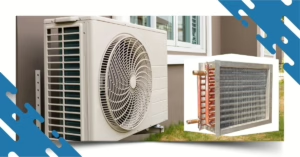
Even in areas like Ocala where we don’t typically see heavy snowfall, your outdoor unit is still vulnerable to freezing issues. Ice, leaves, dirt, and other debris can collect around the unit and restrict airflow. When airflow is limited, the system struggles to complete its defrost cycle, causing ice to build up quickly.
One of the best preventive steps is keeping the outdoor area clean. Remove debris, trim nearby bushes, and make sure nothing is blocking the unit—especially during colder months. A clear outdoor unit helps your HVAC breathe better and operate more efficiently.
5. Mechanical Failures
Sometimes, freezing isn’t caused by clogged filters or outdoor debris—it’s the result of internal mechanical issues. A broken blower fan, a faulty defrost control board, malfunctioning sensors, or damaged electrical components can interfere with the system’s ability to regulate temperature and run through its defrost cycle properly.
Mechanical failures should always be inspected by a licensed HVAC technician. These components are complex, and trying to fix them yourself can lead to bigger problems—or even safety risks. If you notice unusual noises, short cycling, or visible ice on your unit, it’s best to schedule a professional inspection.
Signs Your HVAC is Freezing Up

Sometimes the signs of a frozen HVAC are obvious—other times, they sneak up on you. The earlier you recognize the warning signs, the faster you can address the problem before it worsens. Here are the most common red flags to watch for when your HVAC freezes in cold weather:
1. Visible Ice on Your Unit
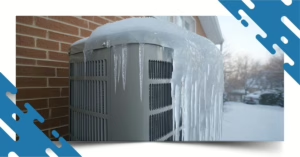
This is the biggest giveaway. If you step outside and see ice forming on your outdoor unit, coils, or refrigerant lines, it’s a clear sign that something isn’t working as it should. Even a light frost can build up into a thick sheet of ice if left unattended.
2. Weak or No Airflow
If you notice your vents are blowing very little air—or worse, none at all—it may mean ice has formed inside the system, blocking airflow. The system continues running, but the cold air becomes trapped inside.
3. Higher Energy Bills
A frozen HVAC has to work much harder to keep up. That extra strain often shows up on your power bill. If you see a sudden spike in energy use during colder months, freezing could be the culprit.
4. Strange Noises
Banging, rattling, or even a “hissing” sound can indicate that ice is affecting moving parts inside your system. It’s the unit’s way of letting you know it’s under stress.
5. Uneven Heating in Your Home
When your system ices up, warm air can’t circulate evenly. Some rooms may feel comfortable, while others remain cold no matter how long the heat is on. That uneven comfort is often a sign of trouble.
Spotting these warning signs early can save you from bigger headaches—and potentially expensive repairs. If you notice one or more of these issues, it’s time to act quickly before the ice gets worse.
What to Do When Your HVAC Freezes in Cold Weather
Finding ice on your HVAC system can feel overwhelming, especially when all you want is to stay warm and comfortable. A frozen system doesn’t always mean disaster. In fact, in many cases, you can take a few simple steps to address the issue before it turns into a costly repair. Here’s what you should do if your HVAC freezes in cold weather:
Step 1: Turn Off the System
It may seem counterintuitive, but the first thing you should do is turn off your HVAC. Running a frozen unit only worsens the problem, forcing the system to work against the ice buildup and potentially causing serious strain or damage.
If your system allows, switch the thermostat from heat to fan-only mode. This helps circulate indoor air and speeds up the melting process without putting extra strain on the unit.
Step 2: Give the Ice Time to Melt
Patience is key here. Don’t try to chip away at the ice with sharp objects—it can damage the coils or refrigerant lines. Instead, let the ice melt naturally. Depending on the amount of buildup, this could take a few hours.
If you’re in a hurry, you can gently run a hair dryer or warm towel near exposed refrigerant lines to help speed things up, but never use open flames or high-heat devices.
Step 3: Check the Air Filters and Vents
Once the ice is gone, the first thing to inspect is your air filter. A clogged filter is one of the most common causes of freezing because it blocks airflow. Replace it if it looks dirty.
Next, make sure all your supply and return vents are open and unobstructed. Even something as simple as a piece of furniture covering a vent can throw off airflow and contribute to freezing.
Step 4: Clear Around the Outdoor Unit
Step outside and look at your HVAC unit. Is it covered in leaves, dirt, or other debris? In colder weather, even a small blockage can prevent proper airflow. Gently clear away anything that could restrict air movement around the unit.
If you notice ice buildup outside, double-check that your defrost cycle is working. A properly functioning system should periodically switch into defrost mode to melt ice. If it’s not doing this, that could signal a deeper issue.
Step 5: Inspect Your Thermostat Settings
Sometimes the solution is as simple as adjusting the thermostat. If it’s set too low, the system may run continuously, which can increase the risk of freezing. Try setting your thermostat to a consistent, moderate temperature instead of turning it down too far.
Step 6: Know When It’s Time to Call a Pro
If you’ve tried the basic fixes and your system still freezes, it’s time to bring in a professional. Issues like low refrigerant, mechanical failures, or faulty defrost controls aren’t DIY-friendly and require proper tools and expertise to repair.
Frequently Asked Questions About HVAC Freezing in Cold Weather
If you have a heat pump, some frost on the outdoor coil can be normal during heating operation. The system should periodically enter a defrost cycle to remove it. If thick ice continues accumulating, there may be an airflow, refrigerant, defrost, mechanical, or control problem.
A light layer of frost can be normal. Heat pumps are designed to automatically defrost when necessary. Heavy ice that remains on the outdoor coil or repeatedly builds up is a warning sign that the system needs inspection.
If your heat pump is heavily iced over, turn the system off and allow the ice to melt naturally. Do not chip, scrape, or break the ice with tools because you could damage the coil or refrigerant tubing. If the problem returns, contact an HVAC professional.
A dirty filter can restrict airflow and contribute to HVAC performance problems. Replacing a clogged filter is an important maintenance step, but if your system continues freezing after the filter is replaced, the cause may be elsewhere.
A refrigerant leak or incorrect refrigerant charge can cause abnormal system operation and may contribute to icing. Refrigerant problems require professional diagnosis because simply adding refrigerant does not fix an underlying leak.
Recurring freezing may be caused by restricted airflow, dirty coils, refrigerant problems, a faulty defrost control, sensor problems, outdoor fan issues, a reversing valve problem, or another mechanical or electrical issue.
If the unit has significant ice buildup that is not clearing through normal defrost operation, turning the system off and allowing it to thaw is generally safer than repeatedly running a severely iced system. If the problem persists, have it inspected by an HVAC professional.
Avoid using tools, sharp objects, or force to remove ice. The outdoor coil and refrigerant tubing can be damaged easily. Let the system thaw naturally and contact a professional if the ice does not clear or returns.
Regular professional maintenance helps identify airflow, refrigerant, electrical, coil, and control problems before they become larger issues. Follow your equipment manufacturer’s maintenance recommendations and have the system inspected when you notice unusual performance.
A brief period of cooler air during a normal defrost cycle can occur because the heat pump temporarily changes operation to warm the outdoor coil and remove frost. However, if the system consistently blows cold air or cannot maintain the indoor temperature, it should be inspected.
Yes. Air-source heat pumps are designed to provide heating in cold weather. Modern heat pumps can operate at low outdoor temperatures, although heating capacity and efficiency vary by model and conditions. ENERGY STAR also has specific performance criteria for cold-climate heat pumps.
Keep Your HVAC Ice-Free This Winter
Related Blog Posts
Read more articles and expert advice related to this service.