
Is your air conditioner running constantly but your home still feels warm? Are you noticing ice on the indoor unit, weak airflow, refrigerant leaks, or unexpectedly high energy bills?
These could be signs of a failing evaporator coil.
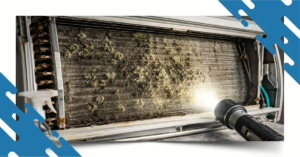
An evaporator coil is a critical component of your air conditioning system. It absorbs heat from the air inside your home, allowing your AC to produce cool, comfortable air. When the coil becomes damaged, corroded, clogged, or develops a refrigerant leak, your system can lose cooling performance and efficiency.
For Florida homeowners, evaporator coil problems can be especially frustrating. Air conditioners often operate for long periods during hot and humid weather, placing significant demands on the system.
If your AC needs an evaporator coil replacement, choosing the correct replacement coil and having it installed properly can help protect your equipment, improve cooling performance, and prevent unnecessary repairs.
What Is an Evaporator Coil?
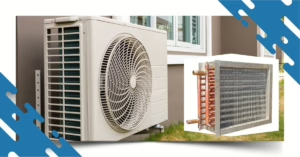
The evaporator coil is the indoor coil in a central air conditioning or heat pump system. It works with the outdoor condenser to move heat out of your home.
During cooling operation, warm indoor air passes over the evaporator coil. Refrigerant inside the coil absorbs heat from the air, and the blower circulates the cooled air back through your home’s ductwork.
When the evaporator coil is dirty, damaged, frozen, or leaking refrigerant, the entire AC system can struggle to cool your home properly.
A damaged coil may also cause:
- Reduced cooling capacity
- Longer AC run times
- Higher energy consumption
- Ice buildup
- Water leaks
- Refrigerant loss
- Compressor strain
- Poor indoor comfort
Because the evaporator coil is part of the sealed refrigeration system, replacement should be performed by a qualified HVAC professional.
5 Expert Tips for Evaporator Coil Replacement
Replacing your evaporator coil isn’t just about swapping old for new—it’s about making smart choices that protect your AC system, extend its lifespan, and keep your Florida home cool and comfortable. To make sure your replacement goes smoothly, we’ve rounded up five expert tips that every homeowner should know before touching a coil.
1. Choose an Evaporator Coil That Matches Your HVAC System
Not every evaporator coil is compatible with every air conditioner. Installing the wrong coil can reduce efficiency, shorten system life, and create unnecessary repair costs.
Before replacing your coil, make sure your HVAC professional verifies the following:
- Refrigerant compatibility. Older systems may still use R-22, while newer equipment uses R-410A or other approved refrigerants. Using the wrong coil can damage the compressor and affect warranty coverage.
- Correct system size. The evaporator coil should match the tonnage of your outdoor condenser to deliver efficient cooling.
- Manufacturer compatibility. Matching components are designed to work together for maximum performance and reliability.
- Proper airflow requirements. The replacement coil should fit the air handler correctly and support proper airflow to reduce the risk of icing and moisture problems.
Choosing the correct coil from the beginning helps improve efficiency, lower energy bills, and reduce the likelihood of future breakdowns.
2. Protect Your New Coil From Florida's Heat, Humidity, and Corrosion
Florida’s climate creates unique challenges for air conditioning systems. High humidity, frequent rainfall, and coastal salt exposure can significantly reduce the lifespan of an evaporator coil if proper precautions aren’t taken.
Here are a few ways to protect your investment:
- Maintain proper airflow by replacing dirty air filters regularly.
- Keep the condensate drain line clear to prevent excess moisture buildup.
- Consider corrosion-resistant coated coils, especially for homes near the coast.
- Ensure vents and ductwork remain unobstructed for consistent airflow.
- Schedule routine inspections to catch small issues before they become expensive repairs.
When humidity and airflow are properly managed, your air conditioner operates more efficiently while reducing strain on the entire system.
3. Hire a Qualified HVAC Professional for Evaporator Coil Replacement
An evaporator coil replacement involves much more than removing one component and installing another. Refrigerant must be safely recovered, pressure-tested, vacuumed, and recharged according to manufacturer specifications.
Hiring an experienced, licensed HVAC technician provides several advantages:
- Proper refrigerant handling that complies with EPA regulations
- Accurate installation to prevent refrigerant leaks
- Complete system testing for airflow and cooling performance
- Professional inspection of related components that may also need attention
- Knowledge of Florida’s demanding climate and local installation requirements
A properly installed evaporator coil can last many years. Poor workmanship, on the other hand, often leads to reduced efficiency, recurring service calls, and premature equipment failure.
Before hiring a contractor, verify licensing, insurance, certifications, and customer reviews to ensure you’re working with qualified professionals.
4. Replace Your Coil at the Right Time
Waiting until your air conditioner completely stops working can leave your family uncomfortable during Florida’s hottest months—and emergency repairs often cost more.
Planning ahead offers several benefits.
Replace Before Peak Cooling Season
Scheduling your replacement during the spring or early fall may provide better appointment availability and reduce downtime when temperatures rise.
Consider the Age of Your System
If your air conditioner is more than 8 to 10 years old, replacing only the evaporator coil may not always be the best financial decision. Depending on the condition of the condenser, compressor, and refrigerant type, upgrading the complete system could provide better long-term value and improved energy efficiency.
Compare Multiple Estimates
Request quotes from reputable HVAC companies and compare:
- Equipment quality
- Warranty coverage
- Labor costs
- Refrigerant charges
- Installation procedures
- Post-installation testing
A detailed estimate helps you understand exactly what you’re paying for and prevents unexpected costs later.
5. Maintain Your New Evaporator Coil for Long-Term Performance
Installing a new evaporator coil is only the beginning. Regular maintenance plays a major role in protecting your investment and preventing avoidable repairs.
Follow these best practices:
- Replace HVAC air filters every 1 to 3 months.
- Schedule annual professional maintenance.
- Keep the indoor unit clean and free of dust and debris.
- Flush condensate drain lines to prevent clogs and water damage.
- Watch for signs of reduced cooling, unusual noises, or rising utility bills.
Routine maintenance improves energy efficiency, extends equipment life, and helps identify potential issues before they become costly repairs.
For Florida homeowners, preventive maintenance is especially important because air conditioning systems often operate nearly every day of the year.
Want a homeowner-friendly maintenance checklist? The ENERGY STAR HVAC Maintenance Checklist provides practical recommendations for keeping your air conditioning system running efficiently throughout the year. It covers routine inspections, air filter maintenance, evaporator coil cleaning, and other preventive steps that help extend the life of your HVAC system.
Signs You May Need an Evaporator Coil Replacement
If you’re unsure whether your evaporator coil is failing, watch for these common warning signs:
- Warm air coming from supply vents
- Weak airflow throughout the home
- Ice forming on the indoor coil
- Refrigerant leaks
- Higher-than-normal utility bills
- Frequent AC cycling
- Reduced indoor comfort despite constant operation
Ignoring these symptoms can place additional stress on the compressor—one of the most expensive components in your HVAC system.
Related Post: AC Evaporator Coil Replacement: Cost and Warning Signs
Frequently Asked Questions About Evaporator Coil Replacement
The lifespan of an evaporator coil varies based on equipment quality, installation, maintenance, operating conditions, corrosion exposure, and other factors. There is no single guaranteed service life for every coil.
Some leaks or related issues may be repairable depending on the location and severity. However, a severely corroded or repeatedly leaking coil may be a better candidate for replacement. A qualified HVAC technician should inspect the coil before recommending the appropriate solution.
Yes. An evaporator coil can often be replaced without replacing the entire AC system. Whether that is the best financial decision depends on the age and condition of the rest of the equipment.
It can, particularly when the existing coil is damaged, leaking, dirty, or otherwise preventing the system from operating properly. However, overall efficiency depends on the complete HVAC system, including the condenser, airflow, blower, ductwork, refrigerant charge, controls, and installation.
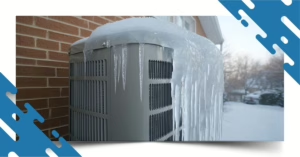
A frozen evaporator coil can have several causes, including restricted airflow, a dirty filter, low refrigerant, blower problems, or other system issues. The cause should be diagnosed rather than repeatedly thawing the coil and restarting the system.
A frozen evaporator coil can have several causes, including restricted airflow, a dirty filter, low refrigerant, blower problems, or other system issues. The cause should be diagnosed rather than repeatedly thawing the coil and restarting the system.
Existing systems using R-410A can continue to be serviced, and EPA rules allow R-410A components to be used to service existing systems. However, R-410A is subject to the federal transition rules for new residential air-conditioning systems, so homeowners considering full system replacement should discuss current refrigerant options with their HVAC contractor.
Lower-GWP refrigerants such as R-454B and R-32 are being used in newer residential air-conditioning equipment. EPA’s current rules regulate refrigerants and equipment differently depending on whether the equipment is an existing system being serviced or a new system being installed.
ENERGY STAR recommends professional HVAC maintenance annually, with cooling-system checkups ideally scheduled before the cooling season. Homeowners should also check their air filters regularly.
A dirty filter can restrict airflow and make the system work harder. Restricted airflow can contribute to cooling problems and coil freezing. Regular filter inspection and replacement are important parts of AC maintenance.
Keep Your AC Cool and Your Home Comfortable
Replacing an evaporator coil doesn’t have to be stressful—or risky. By recognizing the signs of wear, ensuring system compatibility, protecting against Florida’s humidity, hiring the right professionals, timing your replacement wisely, and maintaining your system afterward, you can avoid damage and keep your AC running efficiently for years to come.
Related Blog Posts
Read more articles and expert advice related to this service.