
Winter in Ocala, Belleview, Summerfield, The Villages, and surrounding Central Florida communities may be shorter and milder than in northern states, but a cold snap can still send your heating bills higher than expected.
When temperatures drop, your furnace or heat pump has to run longer to maintain a comfortable indoor temperature. If your HVAC system is poorly maintained, your home has air leaks, or your thermostat settings aren’t optimized, you may be paying more for heat than necessary.
The good news? You don’t have to sacrifice comfort to lower your heating costs.
Simple improvements such as adjusting your thermostat, replacing your air filter, sealing drafts, maintaining your HVAC system, and improving airflow can help your home use energy more efficiently.
At Iron Shield Heating & Air, we help homeowners throughout Ocala and nearby communities keep their heating and cooling systems efficient, comfortable, and reliable.
Here are 5 practical ways to lower your heating bills this winter.
5 Smart Ways to Lower Your Heating Bills
Before replacing your entire HVAC system, look for opportunities to reduce wasted energy. In many homes, small problems can make a heating system work harder than it needs to.
1. Adjust Your Thermostat for Better Energy Savings
Your thermostat has a direct impact on how often your heating system runs.
Instead of keeping your home warmer than necessary, use the lowest comfortable temperature for your household. You can also lower the temperature when everyone is sleeping or away from home.
A programmable thermostat or smart thermostat can automatically adjust the temperature according to your schedule, helping prevent unnecessary heating when nobody is home.
Thermostat tips for lower heating bills:
- Set the thermostat to a comfortable temperature rather than overheating your home.
- Lower the setting when you’re sleeping or away.
- Use a programmable or smart thermostat to automate temperature changes.
- Avoid constantly changing the thermostat throughout the day.
- Make sure the thermostat is installed in an appropriate location away from direct sunlight, drafts, and heat-producing appliances.
If your thermostat isn’t maintaining the temperature properly, the problem may not be the thermostat itself. Issues with the heat pump, furnace, ductwork, airflow, or electrical components can also affect comfort and energy use.
Need help with your thermostat or HVAC system? An HVAC professional can inspect the system and determine whether the thermostat, equipment, or airflow is contributing to higher energy use.
2. Seal Drafts and Check Your Home's Insulation
If warm air is escaping from your home, your heating system may need to run longer to maintain your desired temperature.
Check common areas where heated air can escape, including:
- Exterior doors
- Windows
- Attic areas
- Ductwork
- Vents and registers
- Plumbing and electrical penetrations
- Gaps around doors and windows
Weatherstripping and caulk can help seal smaller gaps around windows and doors.
Your attic insulation and ductwork also deserve attention. Leaky or poorly insulated ducts can reduce the amount of conditioned air that actually reaches your living spaces.
Don’t forget your air ducts
If some rooms feel colder than others, the problem may not be your thermostat. Leaky ductwork, restricted airflow, disconnected ducts, or blocked vents can prevent heated air from reaching certain areas of your home.
An HVAC professional can inspect your duct system and identify airflow problems that may be affecting comfort and energy efficiency.
3. Replace Your Air Filter and Schedule HVAC Maintenance
A dirty air filter can restrict airflow and make your heating system work harder.
Check your filter regularly and replace it according to the manufacturer’s recommendations or sooner if it becomes visibly dirty. Homes with pets, allergies, or higher dust levels may require more frequent filter changes.
Regular HVAC maintenance is also one of the best ways to keep your heating system operating reliably.
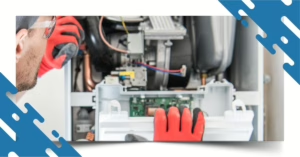
During a professional heating system inspection, an HVAC technician may check:
- Air filter and airflow
- Thermostat operation
- Electrical connections
- Heat pump or furnace operation
- Safety controls
- Blower operation
- Ductwork and airflow
- System performance
- Unusual noises or operating problems
Why heating maintenance matters
A neglected furnace or heat pump can develop problems that affect comfort, reliability, and energy use. Preventive maintenance can also help identify developing issues before they turn into an unexpected heating repair.
For Florida homeowners who rely on a heat pump for both heating and cooling, regular maintenance is particularly important because the system operates throughout the year.
4. Improve Airflow and Heat Only the Spaces You Use
You don’t necessarily need every part of your home to feel the same.
Start by making sure your HVAC system can distribute heated air properly.
Improve heating airflow by:
- Keeping supply vents open and unobstructed.
- Moving furniture away from registers.
- Replacing dirty air filters.
- Keeping interior doors positioned appropriately for airflow.
- Having ductwork inspected if certain rooms consistently feel colder.
- Checking for blocked or damaged vents.
For homes with specific comfort issues, zoning systems may provide another option. HVAC zoning allows different areas of a home to have greater temperature control rather than treating the entire house as one space.
However, zoning isn’t necessary for every home. An HVAC professional should evaluate your existing ductwork, equipment, and comfort concerns before recommending a zoning system.
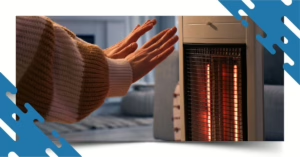
Be careful with portable space heaters
Space heaters can provide supplemental heat in a small area, but they should be used carefully.
Always follow the manufacturer’s safety instructions, keep portable heaters away from curtains and other combustible materials, and never leave them operating unattended.
If you find yourself relying on space heaters frequently because certain rooms are consistently cold, have your heating system and ductwork inspected. The underlying problem could be airflow, insulation, duct leakage, or HVAC performance.
5. Look for Current Utility Rebates and Energy-Saving Programs
Energy programs and utility incentives can change from year to year, so it’s important to check current eligibility before assuming a rebate or tax credit is available.
For example, some Florida utility customers may have access to programs that provide energy-saving incentives. Duke Energy Florida currently offers its EnergyWise Home program, which can provide eligible customers with up to $141 in annual bill credits for participating appliances.
However, homeowners should verify the current requirements directly with their utility provider before making an HVAC purchase based on a potential incentive.
Important 2026 tax-credit update
The federal Energy Efficient Home Improvement Credit, which previously provided tax credits for qualifying energy-efficient home improvements, is no longer available for property placed in service after December 31, 2025. The IRS confirms that the credit was terminated for qualifying property placed in service after that date.
That means homeowners should be cautious about older articles claiming that the Inflation Reduction Act still provides a federal HVAC tax credit for a 2026 installation.
Instead, check for:
- Current utility rebates
- Manufacturer promotions
- Local energy-efficiency programs
- Financing options
- Available HVAC installation specials
- Current state or local incentives
Incentive availability can vary based on your utility provider, equipment, location, and installation date.
Why Are My Heating Bills So High?
If your heating bills suddenly increase, don’t automatically assume it’s because of colder weather.
Several HVAC and home-related issues can contribute to higher energy use.
Common causes include:
Dirty air filter
A clogged filter can restrict airflow and make the system work harder.
Poor airflow
Blocked vents, dirty components, or duct problems can reduce heating performance.
Leaky ductwork
Leaks can allow conditioned air to escape before it reaches your living spaces.
Thermostat problems
An incorrectly installed or malfunctioning thermostat can cause improper temperature control.
Aging HVAC equipment
Older furnaces and heat pumps may not operate as efficiently as newer, properly matched systems.
Refrigerant or heat pump problems
For heat pump systems, refrigerant issues, mechanical problems, or other component failures can affect heating performance.
Poor insulation or air leaks
If heated air escapes through the building envelope, your HVAC system may need to run longer to maintain indoor comfort.
If your heating bill suddenly increases without a major change in your household habits, an HVAC inspection can help determine whether your equipment is contributing to the problem.
How to Save Money on Heating in Ocala, FL
Central Florida homeowners have a unique challenge: winter weather can change quickly.
You may need your heating system during a cold morning and your air conditioner again when temperatures rise later in the week.
That makes year-round HVAC maintenance especially important.
For homeowners in Ocala, Belleview, Summerfield, The Villages, Lady Lake, Marion Oaks, Wildwood, Dunnellon, Leesburg, and surrounding areas, keeping your HVAC system properly maintained can help improve comfort and reliability throughout the year.
Instead of waiting until your system stops working, consider scheduling preventive maintenance before the next major temperature change.
Frequently Asked Questions About Heating Bills
Florida winters are generally mild, but cold weather can still cause your heating system to operate for longer periods. High heating bills can also result from dirty filters, poor airflow, duct leaks, thermostat problems, insulation issues, or an inefficient or malfunctioning HVAC system.
Start with the basics: use a reasonable thermostat setting, replace dirty air filters, keep vents unobstructed, seal drafts, check for ductwork problems, and schedule professional HVAC maintenance.
A smart thermostat can help reduce unnecessary heating by automatically adjusting temperature settings based on your schedule. However, actual savings depend on your home, HVAC system, thermostat settings, weather, and energy-use habits.
It depends on the filter type, household conditions, and manufacturer’s recommendations. Check the filter regularly and replace it when it becomes dirty or according to the recommended replacement interval.
Homes with pets, higher dust levels, or greater occupancy may require more frequent filter changes.
Uneven temperatures can be caused by blocked vents, restricted airflow, duct leaks, insulation problems, thermostat location, or HVAC system issues. An HVAC professional can inspect the system and ductwork to determine the cause.
Proper maintenance can help your HVAC system operate as intended and may improve reliability and airflow. It can also help identify problems that could cause the system to work harder than necessary.
Not necessarily. A high heating bill doesn’t automatically mean you need a new HVAC system. Start with an inspection to determine whether the problem is related to maintenance, airflow, ductwork, thermostat settings, or equipment performance.
If the system is old, frequently breaking down, or no longer providing reliable comfort, replacement may be worth considering.
The federal Energy Efficient Home Improvement Credit under Section 25C is no longer available for qualifying property placed in service after December 31, 2025.
Homeowners should check current utility rebates and other available programs instead of relying on older online information.
Start by checking the HVAC system, air filter, ductwork, insulation, windows, doors, and thermostat. Air sealing and insulation improvements can help reduce unwanted heat loss, while HVAC maintenance can help ensure the heating system is operating properly.
Take Control of Your Heating Bills This Winter
High heating bills don’t have to be inevitable. Stay comfortable and cut costs by adjusting your thermostat, sealing drafts, maintaining your system, and using smart zoning. Small changes add up quickly, and the right strategies can reduce wasted energy by 30% or more, keeping both your home and your wallet cozy.
Don’t wait for another high bill to take action. Contact us for a professional inspection, routine maintenance, or smart thermostat installation today. Our certified technicians in Ocala, Belleview, and nearby areas will help you maximize efficiency, comfort, and savings all winter long.
Related Blog Posts
Read more articles and expert advice related to this service.