
As temperatures begin to cool, homeowners start relying more on their heating systems to keep their homes comfortable. But before turning up the thermostat, it’s worth taking a few minutes to make sure your HVAC system is ready for the season.
Common fall heating mistakes—such as skipping maintenance, ignoring dirty air filters, blocking vents, or delaying heating repairs—can reduce comfort, increase energy use, and potentially lead to expensive breakdowns.
The good news? Most of these problems are preventable.
Whether you have a furnace, heat pump, or another type of heating system, a little preparation can help improve efficiency, maintain consistent indoor temperatures, and reduce unexpected repair costs.
7 Costly Heating Mistakes to Avoid this Season
Here are 7 costly fall heating mistakes to avoid this season, plus simple steps you can take to keep your heating system running reliably.
1. Skipping Your Fall Heating Maintenance
One of the biggest fall heating mistakes homeowners make is waiting until the first cold night to find out whether their heating system actually works properly.
Even if your heater worked perfectly last season, normal wear and tear can affect components while the system is sitting unused. Dust buildup, electrical issues, restricted airflow, worn parts, and other problems can reduce performance or cause a breakdown when you need heat the most.
A professional heating system inspection and HVAC maintenance service can help identify potential problems before they become expensive repairs.
Regular maintenance can also help:
- Improve heating system efficiency
- Identify worn or damaged components
- Improve airflow and comfort
- Reduce the likelihood of unexpected breakdowns
- Help maintain equipment performance
- Address potential safety concerns with fuel-burning equipment
The U.S. Consumer Product Safety Commission recommends having heating systems professionally inspected and serviced annually, particularly for fuel-burning equipment.
If your heater makes unusual noises, produces unusual odors, struggles to maintain temperature, or creates uneven heating, don’t ignore the warning signs.
2. Setting the Thermostat Without Considering Efficiency
When your home feels chilly, it’s tempting to turn the thermostat way up. However, setting the temperature significantly higher than your desired comfort level doesn’t necessarily make the home heat faster.
Instead, your heating system may simply need to run longer to reach the higher temperature.
A better approach is to use a reasonable, consistent thermostat setting and take advantage of a programmable or smart thermostat when appropriate. Adjusting the temperature when you’re sleeping or away can help reduce unnecessary heating.
For Florida homeowners, heating needs can change quickly during the cooler months. Rather than constantly adjusting the thermostat, pay attention to indoor comfort and your home’s heating performance.
If your system runs continuously but struggles to reach the thermostat setting, the issue may not be the thermostat. Restricted airflow, duct problems, equipment issues, or an improperly sized system could be contributing to the problem.
3. Neglecting Your HVAC Air Filter
A dirty air filter is one of the easiest fall heating mistakes to prevent—and one of the easiest to overlook.
As a filter becomes clogged with dust and debris, airflow can become restricted. Your HVAC system may then need to run longer and work harder to move conditioned air throughout your home. A dirty or clogged filter can reduce airflow, increase equipment runtime, increase motor wear, and increase energy consumption.
A neglected filter can contribute to:
- Reduced airflow
- Uneven temperatures
- Increased system runtime
- Higher energy consumption
- Additional strain on HVAC components
- Poorer indoor comfort
What should you do?
Check your HVAC filter regularly and replace or clean it according to the manufacturer’s recommendations. Homes with pets, construction dust, or other sources of airborne particles may require more frequent attention.
If you’re unsure which filter your system needs, check the existing filter or ask an HVAC professional for guidance.
4. Blocking Vents, Registers, or Return Air Grilles
Your heating system needs proper airflow to distribute warm air throughout your home.
Furniture, curtains, rugs, boxes, and other household items can accidentally block supply registers or return air grilles. When airflow is restricted, some rooms may become warmer than others while your HVAC system works harder to maintain the thermostat setting.
Walk through your home and make sure:
- Supply vents are open
- Return air grilles are unobstructed
- Furniture isn’t covering registers
- Curtains aren’t blocking vents
- Rugs aren’t covering floor registers
- Household items aren’t stacked around HVAC openings
If one room consistently feels colder than the rest of the house, don’t automatically assume the thermostat is the problem. Restricted airflow, ductwork issues, insulation, and HVAC performance can all contribute to uneven temperatures.
5. Ignoring Drafts Around Doors and Windows
Your heating system isn’t the only factor affecting indoor comfort. Your home’s building envelope plays an important role, too.
Small gaps around doors, windows, and other openings can allow outdoor air to enter and conditioned air to escape. This can make rooms feel colder and force your HVAC system to operate longer.
The U.S. Department of Energy recommends properly sealing the building envelope and weather-stripping doors and windows as ways to improve efficiency.
Take a quick walk around your home and look for:
- Gaps around exterior doors
- Damaged weatherstripping
- Cracks around windows
- Gaps around utility penetrations
- Areas where you can feel noticeable drafts
For small gaps, appropriate caulking or weatherstripping may help. Larger air-leakage problems may require a more thorough evaluation.
Better insulation and air sealing can help your HVAC system maintain indoor temperatures more efficiently.
6. Depending Too Much on Portable Space Heaters
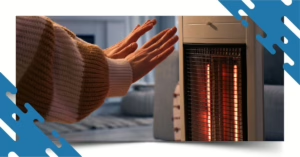
Portable space heaters can be useful for temporarily warming a small area, but they should be used carefully.
Using multiple portable heaters as a substitute for a properly functioning central heating system can increase energy use and introduce additional fire and electrical safety concerns.
The National Fire Protection Association recommends keeping portable heaters at least 3 feet away from anything that can burn, placing them on a solid, level surface, and plugging them directly into a wall outlet rather than an extension cord. Heaters should also be turned off when leaving the room or going to bed.
The CPSC also recommends working smoke and carbon monoxide alarms throughout the home, including CO alarms on every level and outside sleeping areas.
If you regularly need several space heaters because your home’s heating system cannot keep up, it’s worth having your HVAC system evaluated.
A professional can determine whether the problem involves:
- Heating equipment performance
- Airflow restrictions
- Ductwork
- Thermostat operation
- Insufficient system capacity
- Other HVAC issues
7. Delaying Heating Repairs
That strange noise you’ve been hearing? The room that never seems to get warm? The system that keeps turning on and off?
Ignoring these warning signs is one of the most expensive fall heating mistakes you can make.
A small HVAC problem can sometimes become a larger repair when the system continues operating under abnormal conditions.
Common warning signs include:
- Strange or unusual noises
- Weak airflow
- Uneven heating
- Frequent cycling
- Unusual odors
- A thermostat that doesn’t maintain the set temperature
- A heating system that runs continuously
- Unexpected increases in energy use
- A system that repeatedly shuts down
Don’t wait until your heating system stops working completely.
Addressing heating problems early can help prevent more serious equipment issues and an inconvenient no-heat emergency.
If your system needs repair, replacement, or additional troubleshooting, an experienced HVAC technician can identify the problem and recommend the appropriate solution.
Bonus: Don't Forget About Carbon Monoxide Safety
If your home uses fuel-burning heating equipment, carbon monoxide safety should be part of your fall HVAC checklist.
Carbon monoxide (CO) is an odorless and potentially dangerous gas that can result from incomplete combustion or improperly operating fuel-burning equipment.
The CPSC recommends installing CO alarms on every level of the home and outside sleeping areas, testing alarms regularly, and having heating systems professionally inspected and serviced annually.
Never ignore a suspected carbon monoxide problem. If a CO alarm sounds, leave the home and follow your local emergency and utility procedures.
Frequently Asked Questions About Fall Heating Mistakes
Some of the most common fall heating mistakes include skipping heating maintenance, neglecting air filters, setting the thermostat inefficiently, blocking vents, ignoring drafts, relying too heavily on portable heaters, and delaying HVAC repairs.
It depends on the filter type, HVAC system, home conditions, and manufacturer’s recommendations. Check the filter regularly and replace or clean it as recommended. Homes with pets, dust, or other airborne particles may require more frequent filter changes.
Yes. Scheduling fall HVAC maintenance before you regularly need heating can help identify potential problems early and ensure your system is prepared for cooler weather.
A heating system that runs continuously may have several possible causes, including restricted airflow, a dirty filter, thermostat problems, ductwork issues, insufficient insulation, equipment problems, or an undersized system.
If your system runs constantly and cannot maintain the desired temperature, schedule an HVAC inspection.
Uneven heating can be caused by blocked vents, restricted airflow, ductwork problems, insulation issues, thermostat location, or HVAC system performance.
If adjusting the thermostat doesn’t solve the problem, an HVAC professional can evaluate the system and airflow throughout your home.
Generally, you shouldn’t close or block vents without understanding how doing so affects your specific HVAC system. Restricting airflow can create pressure and performance issues in some systems.
If certain rooms are consistently uncomfortable, have an HVAC professional evaluate the airflow instead of simply closing vents.
Portable space heaters can be used safely when the manufacturer’s instructions and basic fire-safety precautions are followed. Keep them at least 3 feet away from combustible materials, place them on a stable surface, plug them directly into a wall outlet, and turn them off when leaving the room or going to bed.
Start with the basics: maintain your HVAC system, replace or clean filters as recommended, keep vents and returns unobstructed, seal noticeable air leaks, use your thermostat appropriately, and address HVAC problems promptly.
Proper installation and regular maintenance are also important to maintaining HVAC performance.
Call an HVAC professional if your system stops heating, produces unusual noises or odors, has weak airflow, cycles frequently, struggles to maintain the thermostat setting, or shows other signs of malfunction.
For fuel-burning equipment, professional inspection and maintenance are especially important for safe operation.
Stay Comfortable and Avoid Costly Fall Heating Mistakes
Your heating system shouldn’t be an afterthought when cooler weather arrives.
Avoiding common fall heating mistakes can help improve comfort, maintain HVAC efficiency, and reduce the risk of unexpected heating repairs. Simple steps like checking your air filter, keeping vents clear, sealing drafts, testing your thermostat, and scheduling professional maintenance can make a meaningful difference.
And if your heating system isn’t performing the way it should, don’t wait for a complete breakdown.
Iron Shield Heating & Air provides professional HVAC services to help homeowners stay comfortable through changing Florida weather. Whether you need heating maintenance, heating repair, HVAC service, furnace service, heat pump service, or help troubleshooting uneven heating, our team can help identify the problem and recommend the right solution for your home.
Don’t wait until your heater stops working. Schedule your heating service with Iron Shield Heating & Air today.
Related Blog Posts
Read more articles and expert advice related to this service.