
Choosing the right heating and cooling system is an important investment for any Florida homeowner. With long, hot summers, high humidity, and relatively mild winters, Florida homes have different HVAC needs than homes in colder parts of the country.
So, when comparing a heat pump vs traditional HVAC system, which is the better choice for a Florida home?
A heat pump can provide both heating and cooling from one system, while a traditional HVAC setup typically combines a separate air conditioner with a furnace or electric heating system. Both options can keep your home comfortable, but one may be better suited to Florida’s climate, your energy goals, and your budget.
Let us compare heat pumps vs traditional HVAC systems, including how they work, energy efficiency, installation costs, maintenance, lifespan, and overall benefits for Florida homeowners.
Heat Pump vs Traditional HVAC: Understanding the Difference
The biggest difference between these two systems is how they provide heating.
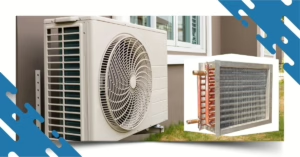
A heat pump can both heat and cool your home by transferring heat rather than creating it through combustion. During summer, it removes heat from your home and transfers it outside. During cooler weather, it reverses the process and moves heat from outdoor air into your home.
A traditional HVAC system generally uses a central air conditioner for cooling and a separate furnace or electric heating system for heating.
Quick Comparison
|
Feature |
Heat Pump |
Traditional HVAC |
| Cooling | Yes | Yes |
| Heating | Yes | Yes |
| Separate heating system | No | Usually |
| Uses refrigerant | Yes |
Air conditioner does
|
| Natural gas required | No |
Only with a gas furnace
|
| Ideal for mild winters | Yes |
Yes, but may be more than necessary
|
| Year-round operation | Yes | Yes |
| Energy efficiency | Generally high |
Depends on equipment
|
| Installation | One integrated system |
Multiple components
|
| Best suited for Florida | Often a strong option |
Can still be a good choice
|
Why Florida Homes Have Different HVAC Needs
Florida’s climate is dominated by heat and humidity. Air conditioning is used far more frequently than heating, and winter temperatures are generally mild compared with northern states.
That makes energy-efficient heating and cooling especially important.
Florida homeowners typically need an HVAC system that can:
- Keep indoor temperatures comfortable during hot summers
- Control indoor humidity
- Provide reliable heating during cold fronts
- Operate efficiently for long periods
- Help manage monthly energy costs
- Provide dependable year-round comfort
Because a heat pump can handle both heating and cooling, it can be a practical option for many Florida homes.
How Does a Heat Pump Work?
A heat pump uses a refrigeration cycle to move heat from one location to another.
During the Summer
The heat pump operates much like a conventional air conditioner. It removes heat from inside your home and transfers it outdoors. The result is cooler indoor air and improved comfort.
During the Winter
The system reverses the refrigeration cycle. Instead of moving heat out of your home, it extracts available heat from the outdoor air and transfers it inside. Even when outdoor temperatures feel cool, there is still some heat energy available in the air. This makes heat pumps particularly well suited to climates with mild winters, such as Florida.
Types of Heat Pumps
Several types of heat pumps are available, although air-source heat pumps are the most common choice for many residential applications.
Air-Source Heat Pumps
Air-source heat pumps transfer heat between your home and the outdoor air.
They are commonly used for whole-home heating and cooling and can be installed with ductwork.
Ductless Mini-Split Heat Pumps
Ductless mini-split systems are useful for homes, additions, garages, or individual rooms where traditional ductwork may not be practical.
They provide heating and cooling without requiring a traditional central duct system.
Geothermal Heat Pumps
Geothermal heat pumps transfer heat between the home and the ground rather than outdoor air.
They can be highly efficient, but installation is more complex and typically requires a larger upfront investment.
What Is a Traditional HVAC System?
A traditional HVAC system generally uses separate equipment for heating and cooling.
For example, a home might have:
- A central air conditioner for cooling
- An electric furnace or air handler for heating
- Or a gas furnace paired with a central air conditioner
When cooling is needed, the air conditioner operates. When heating is needed, the furnace or electric heating system operates.
This setup is familiar to homeowners across the United States and can provide reliable comfort when properly sized, installed, and maintained.
Heat Pump vs Traditional HVAC: Energy Efficiency
Energy efficiency is one of the biggest factors to consider when comparing a heat pump vs traditional HVAC system.
A heat pump does not create heat in the same way a furnace does. Instead, it transfers existing heat from one location to another.
As a result, a heat pump can provide efficient heating, especially in moderate climates.
For Florida homeowners, this can be especially beneficial because heating demand is generally lower than cooling demand.
However, efficiency depends on several factors, including:
- Equipment efficiency rating
- Proper system sizing
- Quality of installation
- Ductwork condition
- Thermostat settings
- Insulation
- Air leakage
- Regular HVAC maintenance
A high-efficiency heat pump that is poorly installed will not necessarily outperform a properly installed, efficient traditional HVAC system.
Heat Pump vs Furnace: Which Is Better for Florida?
For many Florida homes, a heat pump can make more sense than installing a separate furnace because it provides both heating and cooling.
A traditional furnace may be useful when a homeowner has specific heating requirements or prefers a particular heating method. However, Florida’s relatively mild winters usually do not require the same heating capacity commonly needed in colder climates.
If you’re replacing an aging air conditioner, it’s worth asking whether a heat pump system could provide both your cooling and heating needs.
Installation Cost: Heat Pump vs Traditional HVAC
The initial cost of an HVAC replacement depends on the equipment, home size, installation requirements, ductwork, efficiency rating, and other factors.
A heat pump may have a higher equipment or installation cost in some situations. However, because one heat pump system can provide both heating and cooling, you may not need to purchase separate heating and cooling equipment.
Traditional HVAC systems can also vary significantly in price depending on whether you choose electric heat, a gas furnace, or another configuration.
Rather than comparing equipment prices alone, consider the total cost of ownership, including:
- Installation
- Energy consumption
- Repairs
- Maintenance
- Equipment lifespan
- Replacement costs
Maintenance: Heat Pump vs Traditional HVAC
Both heat pumps and traditional HVAC systems require regular maintenance.
For a heat pump, professional maintenance can include checking:
- Refrigerant levels
- Electrical components
- Coils
- Air filters
- Condensate drainage
- Blower operation
- Outdoor unit
- Heating and cooling performance
Traditional HVAC systems also require routine maintenance of the air conditioner and heating equipment.
Because a heat pump operates in both heating and cooling modes throughout the year, regular maintenance is especially important.
Changing or cleaning air filters, keeping outdoor units clear of debris, and scheduling professional HVAC maintenance can help maintain system performance.
How Long Do Heat Pumps and Traditional HVAC Systems Last?
HVAC lifespan varies based on equipment quality, installation, usage, climate, maintenance, and operating conditions.
A properly maintained heat pump can provide many years of reliable service. However, because heat pumps may operate throughout the year for both heating and cooling, regular maintenance is important.
Traditional air conditioners, furnaces, and other HVAC components also have different expected service lives.
Instead of focusing only on a specific number of years, homeowners should consider the system’s:
- Age
- Repair history
- Efficiency
- Performance
- Maintenance requirements
- Overall operating cost
If your HVAC system requires frequent repairs or struggles to maintain comfortable temperatures, replacement may be worth considering.
Learn More: How Long Do Heat Pumps Last?
Heat Pump vs Traditional HVAC: Which One Should You Choose?
For many Florida homeowners, a heat pump is an excellent option because it provides both heating and cooling while offering efficient operation in a mild winter climate.
However, the right choice depends on your home’s size, insulation, ductwork, electrical system, budget, comfort preferences, and existing HVAC equipment.
Before replacing your system, have a qualified HVAC professional evaluate your home and recommend the appropriate system size and efficiency level.
Still deciding between a heat pump vs traditional HVAC system?
Iron Shield Heating & Air can help you evaluate your home’s heating and cooling needs and determine which system is the best fit.
Whether you’re replacing an aging air conditioner, upgrading your home’s energy efficiency, or looking for reliable year-round comfort, choosing the right equipment starts with a professional evaluation.
We install it, we service it, we stand behind it.
Frequently Asked Questions About Heat Pumps vs Traditional HVAC
A heat pump can be an excellent choice for many Florida homes because it provides both heating and cooling and is designed to operate efficiently in moderate climates. However, the best option depends on the home’s specific needs and existing HVAC setup.
A heat pump can be more energy-efficient for heating than many conventional heating systems, particularly in mild climates. Your actual operating cost depends on electricity rates, equipment efficiency, home insulation, system size, and usage.
Yes. Heat pumps are well suited to Florida’s climate because they provide efficient cooling during hot weather and heating during the state’s relatively mild winters.
A heat pump can provide effective air conditioning because it uses a similar refrigeration cycle when operating in cooling mode. Proper sizing, installation, maintenance, and humidity control all affect cooling performance.
Yes, a heat pump operating in cooling mode can remove moisture from indoor air, just like a central air conditioner. Proper system sizing and operation are important for effective humidity control.
Regular professional HVAC maintenance is recommended to help keep the system operating efficiently and reliably. Many homeowners schedule maintenance at least once or twice a year, depending on equipment and usage.
An air conditioner primarily provides cooling. A heat pump can provide both cooling and heating by reversing the direction of the refrigeration cycle.
In many homes, yes. A properly selected heat pump can provide both heating and cooling, potentially replacing a separate furnace and air conditioner. A professional evaluation is recommended before making the switch.
They can be. However, the home’s ductwork, electrical system, insulation, and existing HVAC infrastructure should be evaluated before installation.
If your air conditioner is approaching the end of its service life, comparing a new heat pump with a traditional AC and heating system can be worthwhile. A professional HVAC contractor can help determine which option makes the most sense for your home and budget.
Related Blog Posts
Read more articles and expert advice related to this service.