
If you’re a seasonal resident who spends part of the year away from your Florida home, your air conditioner still needs attention while you’re gone. Florida’s heat, humidity, and long cooling season can create problems even when your home is unoccupied.
Following the right AC maintenance tips before you leave, while you’re away, and when you return can help prevent unexpected breakdowns, control humidity, protect indoor air quality, and keep your HVAC system running efficiently.
Why AC Maintenance Matters for Seasonal Residents
Leaving your Florida home vacant for several months doesn’t mean your AC system stops being affected by the weather. High temperatures and humidity can contribute to moisture problems, clogged filters, poor airflow, mold and mildew growth, and unnecessary strain on your air conditioner.
Regular air conditioner maintenance helps identify small problems before they become expensive repairs. Professional HVAC maintenance can also improve system efficiency, extend equipment life, and help ensure your AC is ready when you return.
For seasonal homeowners, preventive maintenance is especially important because an AC problem can go unnoticed for weeks or months.
AC Maintenance Tips Before Leaving Your Florida Home
Before heading out for the season, take a few minutes to prepare your HVAC system.
1. Schedule a Professional AC Tune-Up
One of the most important AC maintenance tips is to schedule professional service before leaving your home.
During an AC tune-up, an HVAC technician can inspect important components such as:
- Air filters
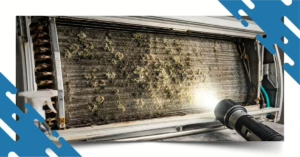
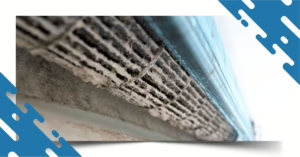
- Evaporator and condenser coils
- Refrigerant levels
- Electrical connections
- Drain lines and drain pans
- Blower components
- Thermostat operation
- Overall airflow
A professional inspection can help identify potential problems before your home sits vacant for an extended period.
2. Set Your Thermostat Properly
Should you turn off your AC completely while you’re away? In Florida, that may not be the best idea.
Turning the system off can allow indoor temperatures and humidity levels to rise significantly. Instead, consider setting your thermostat to a higher temperature while still allowing the AC to operate periodically.
A smart thermostat can make this easier by allowing you to monitor and adjust your HVAC system remotely.
The goal is to balance energy savings with humidity control and home protection.
Learn More: Best Heater Temperature or Cooling Temperature: What Temperature Should I Set My Thermostat?
3. Check and Seal Your Ductwork
Leaky or damaged ductwork can reduce HVAC efficiency and make your AC work harder.
Before leaving, have your ductwork inspected for:
- Air leaks
- Damaged insulation
- Loose connections
- Dust and debris
- Restricted airflow
Properly sealed ductwork helps your air conditioner distribute cool air more efficiently throughout your home.
4. Replace the Air Filter
Install a clean air filter before leaving for an extended period.
A dirty filter restricts airflow and can cause your AC system to work harder. Depending on the filter type, household conditions, and system usage, air filters may need to be replaced approximately every 1–3 months.
If someone will be checking your home while you’re away, ask them to inspect the filter periodically.
AC Maintenance While You’re Away
Your Florida home may be empty, but your HVAC system still needs basic monitoring.
Monitor Indoor Humidity
Humidity control is one of the most important concerns for seasonal homeowners.
Excess indoor moisture can contribute to:
- Mold and mildew
- Musty odors
- Poor indoor air quality
- Damage to furnishings and materials
- Increased discomfort when you return
A smart thermostat or humidity monitor can help you keep an eye on conditions remotely.
If humidity levels remain unusually high, contact an HVAC professional to determine whether there is an issue with your AC system, drainage, or home ventilation.
Keep the Outdoor AC Unit Clear
Leaves, grass, dirt, and other debris can collect around your outdoor condenser.
Keep the area around the unit clear so air can move freely when the system operates. Avoid placing furniture, plants, storage items, or other objects directly around the condenser.
If your home is unattended, arrange for someone you trust to check the outdoor unit periodically.
Check for Drainage Problems
Your AC system removes moisture from the air as it cools your home. That moisture must drain properly.
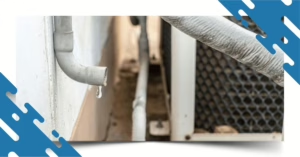
A clogged condensate drain can cause water to back up and potentially trigger a float switch or create water damage.
Before leaving, have the condensate drain line and drain pan inspected and cleaned as needed.
Watch for Signs of Mold or Moisture
Musty odors, visible moisture, water stains, or unusually high humidity can indicate an HVAC or moisture problem.
Address these warning signs as soon as possible rather than waiting until you return months later.
AC Maintenance Tips When You Return
After spending months away, don’t immediately assume your air conditioner is ready for heavy use.
Check the Air Filter
Start with the filter. Replace it if it is dirty or clogged.
Also check that supply vents and return vents are open and free of obstructions.
Listen for Unusual Sounds
When you turn your AC back on, listen for anything unusual, including:
- Grinding
- Rattling
- Buzzing
- Hissing
- Clicking
- Excessive vibration
Unusual sounds can indicate a mechanical, electrical, or refrigerant-related problem.
Look for Unusual Odors or Moisture
A strong musty smell may indicate excess moisture or microbial growth. Water around the indoor unit, drain pan, or other areas can also indicate a drainage problem.
Don’t ignore these signs. Addressing them early can help prevent more expensive HVAC repairs.
Schedule an AC Inspection
If your system has been unused or operating minimally for several months, scheduling professional AC maintenance is a smart way to make sure everything is working properly.
A technician can inspect the system, check airflow and refrigerant levels, clean important components, and identify potential problems before they turn into an emergency AC repair.
Common AC Problems Seasonal Residents Should Watch For
Seasonal homeowners should be especially aware of these common HVAC issues:
- Clogged air filters
- Restricted airflow
- Refrigerant problems
- Clogged condensate drain lines
- Dirty evaporator or condenser coils
- Electrical problems
- Thermostat issues
- Ductwork leaks
- Excessive indoor humidity
- Mold and mildew caused by moisture
- Poor indoor air quality
Regular HVAC maintenance can help identify many of these problems before they become major repairs.
Expert AC Maintenance Tips for Seasonal Homeowners
Here are a few simple ways to protect your Florida home while you’re away:
- Schedule an AC tune-up before leaving for the season.
- Replace your air filter before you leave and arrange for replacements when necessary.
- Use a smart thermostat to monitor your HVAC system remotely.
- Maintain proper indoor humidity to help reduce moisture and mold concerns.
- Keep the outdoor condenser clear of leaves and debris.
- Inspect condensate drain lines to help prevent water backups.
- Check ductwork for leaks, damage, or restricted airflow.
- Schedule professional HVAC maintenance if your system has been showing signs of poor performance.
- Have someone check your home periodically if you’ll be away for an extended period.
These simple steps can help reduce the chance of returning to an uncomfortable home or an unexpected AC repair bill.
Why Choose Professional AC Maintenance?
DIY maintenance can take care of simple tasks such as replacing an air filter, but professional HVAC service is important for inspecting components that homeowners cannot easily evaluate.
A trained HVAC technician can:
- Identify developing problems before they become major repairs
- Check electrical components and system operation
- Inspect refrigerant levels and system performance
- Clean and inspect coils
- Check condensate drainage
- Evaluate airflow
- Identify potential safety concerns
- Help improve AC efficiency
- Extend the life of your HVAC system
For Florida homeowners, professional AC maintenance is an investment in comfort, efficiency, and peace of mind.
Before you leave, schedule an AC tune-up, replace your filter, check your thermostat, inspect drainage, and make sure your outdoor unit is clear.
And when you return, give your system a quick check before relying on it for Florida’s heat.
Need professional AC maintenance in Florida? Contact Iron Shield Heating & Air today to schedule your AC tune-up and help keep your home comfortable all season long.
Frequently Asked Questions About AC Maintenance
It’s generally not advisable to completely shut off your AC in Florida during an extended absence because indoor temperatures and humidity can rise. A higher thermostat setting or smart thermostat can help balance energy savings with humidity control.
There isn’t one temperature that’s right for every home. Many homeowners choose a higher thermostat setting while they’re away, but the setting should still allow the AC to run enough to help manage indoor humidity. A smart thermostat can make remote monitoring easier.
Many filters should be replaced approximately every 1–3 months, but the correct schedule depends on the filter, system usage, pets, dust levels, and indoor conditions. Check your filter regularly and replace it when it becomes dirty.
For many Florida homeowners, having the air conditioner professionally inspected and maintained at least once a year is a good practice. Seasonal residents may benefit from scheduling maintenance before leaving and/or before returning, depending on how long the home is vacant and the condition of the system.
Yes. Excessive indoor humidity can contribute to mold and mildew growth, musty odors, poor indoor air quality, and potential damage to furnishings and building materials. Proper AC operation, humidity monitoring, and professional HVAC maintenance can help manage moisture.
Yes, especially if the system has been off or minimally used for several months. A professional inspection can help identify drainage, electrical, airflow, refrigerant, or other HVAC problems before the system is heavily used.
Common warning signs include weak airflow, unusual noises, unpleasant odors, water leaks, inconsistent cooling, frequent cycling, rising energy bills, and difficulty maintaining the desired temperature.
Related Blog Posts
Read more articles and expert advice related to this service.