
Living in Florida means dealing with heat and humidity for much of the year. But while outdoor humidity is unavoidable, high indoor humidity is something you can control.
If your Florida home feels sticky even when the air conditioner is running, you notice condensation on windows, musty odors, damp closets, or recurring mildew, excessive indoor moisture could be the problem.
High humidity is more than a comfort issue. When moisture levels stay elevated, they can contribute to condensation, mold and mildew growth, and an indoor environment that feels warmer than the thermostat indicates. The U.S. Environmental Protection Agency (EPA) recommends keeping indoor relative humidity below 60%, with 30%–50% being the ideal range when possible.
The good news? There are several practical ways to control humidity in Florida homes.
What Is the Ideal Indoor Humidity Level in Florida?
For most homes, aim for an indoor relative humidity level of 30%–50%. The EPA recommends keeping indoor humidity below 60% to help reduce conditions that support mold growth.
A hygrometer or indoor humidity monitor can help you determine whether your home’s humidity is under control.
Watch for signs of excessive indoor humidity, including:
- A sticky or clammy feeling indoors
- Condensation on windows or cold surfaces
- Musty or damp odors
- Mold or mildew growth
- Damp closets or bathrooms
- Peeling paint or wallpaper
- Wood floors or furniture showing signs of moisture
- An air conditioner that runs frequently but does not seem to make the home comfortable
If your indoor humidity consistently stays above 60%, it’s worth investigating the source of the moisture and your home’s HVAC performance.
7 Smart Ways to Control Humidity in Florida
1. Make Sure Your Air Conditioner Is Working Properly
Your air conditioner does more than cool your Florida home. During the cooling process, it also removes moisture from indoor air.
That makes your AC system one of your home’s most important tools for humidity control.
However, an air conditioner that is not operating correctly may struggle to control both temperature and moisture.
Common HVAC issues that can affect dehumidification include:
- Dirty evaporator coils
- Clogged or dirty air filters
- Restricted airflow
- Refrigerant problems
- Poorly functioning condensate drains
- Oversized air conditioning equipment
- Incorrect system settings
- Inadequate ductwork
The U.S. Department of Energy notes that conventional air conditioning systems can be very effective at reducing temperature while being less effective at removing moisture under certain hot-humid conditions. HVAC configuration and airflow can therefore play an important role in humidity control.
Check Your AC Fan Setting
If your thermostat has an AUTO fan setting, it is generally preferable to leave the indoor fan running continuously when your goal is moisture removal.
With the fan set to AUTO, the blower normally runs during a cooling cycle and shuts off afterward. Continuous fan operation can sometimes contribute to moisture being redistributed into the home after the cooling cycle.
If your home still feels humid while the AC is running, have your HVAC system inspected to determine whether the equipment is properly cooling and dehumidifying your home.
2. Consider a Whole-Home or Portable Dehumidifier
Sometimes your air conditioner simply isn’t enough to keep indoor humidity under control.
This can happen in Florida homes that have high moisture loads, certain building characteristics, or HVAC systems that cool the home quickly without running long enough to remove sufficient moisture.
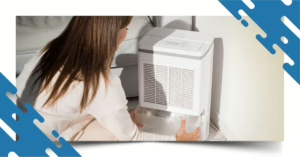
A dehumidifier can provide additional moisture control.
Portable vs. Whole-Home Dehumidifiers
Portable dehumidifier:
Best suited for individual rooms or localized moisture problems, such as bedrooms, bathrooms, closets, or other smaller spaces.
Whole-home dehumidifier:
Designed to work with your home’s HVAC system to remove moisture throughout the living space.
A whole-home solution may be worth considering when humidity remains high throughout the house despite a properly functioning air conditioner.
Before purchasing a dehumidifier, it’s a good idea to determine why humidity is high in the first place. A professional HVAC evaluation can help identify whether the problem is related to equipment, airflow, ductwork, infiltration, or another moisture source.
3. Improve Ventilation in Bathrooms, Kitchens and Laundry Areas
Everyday activities can add significant moisture to your home.
Showering, cooking, washing dishes, and using a clothes dryer all introduce moisture into indoor air. Without proper ventilation, that moisture can linger.
The EPA recommends using exhaust fans and properly venting moisture-producing appliances to the outdoors.
Bathroom
Run the bathroom exhaust fan while showering and afterward to help remove humid air.
Kitchen
Use your range hood or exhaust fan while cooking, especially when boiling water or preparing foods that generate steam.
Laundry Room
Make sure your clothes dryer is properly vented outdoors. A dryer that releases warm, moist air into your home can significantly increase indoor moisture.
Important Florida Tip
Don’t automatically open windows to “let the humidity out.”
In Florida, outdoor air can already contain substantial moisture. Opening windows when outdoor conditions are hot and humid can actually introduce more moisture into your home.
Ventilate strategically when outdoor conditions allow it, and use exhaust fans that discharge moisture outdoors.
4. Seal Air Leaks and Improve Your Home's Building Envelope
Florida’s humid outdoor air can enter your home through gaps and cracks around the building envelope.
Common areas to inspect include:
- Doors and windows
- Weatherstripping
- Attic access panels
- Plumbing penetrations
- Electrical penetrations
- Ductwork connections
- Recessed fixtures
- Other gaps between conditioned and unconditioned spaces
Sealing unwanted air leaks can help reduce the amount of warm, humid outdoor air entering your home.
Proper insulation also helps your HVAC system maintain more consistent indoor temperatures and can improve overall comfort.
If your home has persistent humidity problems, an HVAC professional or qualified building professional can help determine whether air leakage, insulation, ductwork, or other building-envelope issues are contributing to the problem.
5. Control Moisture at the Source
One of the most effective ways to control humidity in Florida is to identify where the moisture is coming from.
Humidity isn’t always caused by your air conditioner.
Potential moisture sources include:
- Plumbing leaks
- Roof leaks
- Poor drainage
- Wet crawl spaces
- Condensation on pipes or ducts
- Showers and baths
- Cooking
- Dishwashers
- Clothes dryers
- Standing water
- Poorly draining HVAC condensate pans or lines
The EPA emphasizes that moisture control is the key to preventing and controlling indoor mold. Wet areas should be dried promptly, and water leaks should be corrected rather than simply treating the resulting mold.
If you notice a recurring damp spot, musty odor, or condensation, don’t simply cover it up. Find and correct the moisture source.
6. Monitor Your Indoor Humidity With a Hygrometer
You can’t always tell how humid your home is simply by how it feels.
A hygrometer, also called a humidity meter or humidity monitor, measures relative humidity inside your home.
Place one in a central living area and consider monitoring rooms that tend to have more moisture, such as:
- Bathrooms
- Laundry rooms
- Bedrooms
- Closets
- Areas near exterior walls
For most homes, aim for 30%–50% relative humidity when possible and try to keep indoor humidity below 60%.
If your humidity monitor repeatedly shows levels above 60%, especially when your air conditioner is running normally, it’s time to investigate.

What Does High Humidity Mean?
Indoor Relative Humidity | What It May Mean |
| Below 30% | Air may feel excessively dry |
| 30%–50% | Generally recommended range |
| 50%–60% | Monitor conditions and watch for moisture |
| Above 60% | Increased concern for condensation and mold-supporting conditions |
These ranges are general guidance. Your home’s construction, temperature, climate, and moisture sources can affect the appropriate strategy.
7. Schedule Professional HVAC Maintenance
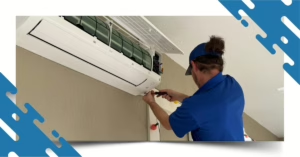
Regular HVAC maintenance is one of the smartest ways to help your system cool and dehumidify your home effectively.
During a professional AC maintenance visit, a technician can inspect important components that affect system performance, including:
- Evaporator and condenser coils
- Air filters
- Condensate drain and drain pan
- Refrigerant system
- Electrical components
- Blower operation
- Airflow
- Thermostat operation
- Ductwork and connections
The EPA specifically recommends routine HVAC inspections and maintenance and keeping air-conditioning drip pans and drain lines clean and unobstructed.
If your AC is running but your home still feels damp, maintenance can help determine whether the system is operating as it should—or whether additional humidity-control equipment may be appropriate.
Frequently Asked Questions About Controlling Humidity in Florida
The EPA recommends keeping indoor relative humidity below 60%, with 30%–50% generally considered ideal when possible.
Possible causes include an oversized AC system, restricted airflow, dirty coils, drainage problems, equipment issues, air leaks, or additional moisture sources inside or outside the home. A professional HVAC inspection can help identify the cause.
For many central AC systems, using the AUTO fan setting allows the blower to operate during cooling cycles rather than continuously circulating air between cycles. However, the best setting can depend on your HVAC equipment and controls.
Your air conditioner removes moisture while cooling, but simply lowering the thermostat is not always the best solution for a humidity problem. If your home is cool but still feels damp, the system may need an inspection or additional dehumidification.
Not every Florida home needs a separate dehumidifier. However, a dehumidifier may be useful when indoor humidity remains high despite a properly functioning AC system. A professional can determine whether supplemental dehumidification makes sense for your home.
Start by controlling moisture at the source. Use bathroom and kitchen exhaust fans, properly vent your dryer outdoors, fix plumbing or roof leaks, seal unnecessary air leaks, and monitor indoor humidity with a hygrometer.
Not necessarily. Continuous fan operation can circulate indoor air between cooling cycles and, depending on the system, may contribute to moisture being redistributed. For many systems, AUTO is a better starting point for normal cooling operation.
High humidity can create conditions that support mold growth, particularly when moisture accumulates on surfaces. The EPA recommends maintaining indoor humidity below 60%, ideally between 30% and 50%, and addressing water problems promptly.
A sticky indoor environment, condensation, musty odors, frequent AC operation, or humidity readings consistently above 60% can indicate a moisture-control problem. An HVAC professional can evaluate system performance, airflow, drainage, and other potential causes.
Yes. Proper HVAC maintenance helps ensure components involved in cooling and moisture removal are operating correctly. Maintenance should include checking the system, airflow, condensate drainage, coils, and other critical components.
Take Control of Your Home’s Humidity
Managing humidity in Florida isn’t just about comfort—it’s about creating a safe, healthy, and welcoming home for you and your loved ones. From the sticky, heavy air in summer to the hidden moisture that can damage walls and furniture, high indoor humidity affects every corner of your life.
Every home is unique, and sometimes tackling humidity requires more than DIY solutions.
At Iron Shield Heating & Air, we understand the challenges Florida homeowners face with high humidity. Our team of experts is dedicated to helping you maintain a comfortable, healthy, and safe indoor environment. Whether it’s servicing your AC, installing a high-quality dehumidifier, or providing professional guidance on humidity control, we’re here to support you every step of the way.
Don’t let humidity take over your home—contact us today and take the first step toward a fresher, more comfortable living space for you and your family. Your home deserves it, and so do you.
Related Blog Posts
Read more articles and expert advice related to this service.