
Ever stood in front of your vent wondering why the weak airflow, poor airflow, or low air pressure from vents just isn’t cutting it?
As a technician, I often hear: “The AC is running, but the air barely feels like anything.” This classic HVAC airflow issue usually means something is restricting or disrupting the system.
I remember one service call where the homeowner swore their system was about to die. The house felt stuffy, rooms cooled unevenly, and the airflow was almost nonexistent. Turns out? A heavily clogged filter and a couple of blocked vents were the main culprits. Within minutes of fixing those, the airflow came rushing back like night and day. Moments like that stick with you—because they show just how small issues can quietly snowball into bigger comfort problems.
Most of the causes are common and fixable. Let’s walk through what’s really behind weak airflow in your home and what you can do to fix it before it turns into a bigger (and more expensive) problem.
What Is Weak Airflow? (And How to Recognize It)
Weak airflow is exactly what it sounds like: the air coming out of your vents is weaker than it should be. Instead of a steady, strong stream that fills the room, you get a barely-there breeze. Sometimes it feels like your AC or heater is on, but nothing is actually happening. In technical terms, it’s when your HVAC system isn’t moving enough air through the ducts to reach your rooms efficiently.
You’ll usually notice weak airflow in a few ways: maybe some rooms never seem to get cool in the summer or warm in the winter, or you might feel like you’re constantly chasing the temperature with your thermostat. You might even hear your system straining—fans working harder than normal—or notice that your energy bills are creeping up without any obvious reason.
I had a customer just last month who swore their AC was “broken.” They were worried they’d need a full replacement. But after a quick inspection, I found the culprit: one vent in the living room was completely blocked by a couch, and the filter hadn’t been changed in six months. Fix those two things, and suddenly, airflow was back to normal.
Signs of Weak Airflow
Watch for these common symptoms:
- Weak air coming from supply vents
- Some rooms are hotter or colder than others
- HVAC system runs longer than normal
- Higher-than-usual utility bills
- Poor indoor comfort despite thermostat settings
- Excessive dust throughout the home
- HVAC system frequently cycles on and off
- Unusual noises from the air handler or blower
If you’re experiencing one or more of these issues, it’s time to investigate the cause.
Once you can identify it, it’s easier to figure out what’s causing the problem. Let’s look at the most common culprits and how to tackle them.
1. Dirty or Clogged Air Filters
If I had a dollar for every time a homeowner blamed their HVAC system for weak airflow, only to discover a clogged filter… well, I’d have a lot of dollars. Dirty air filters are by far the most common—and easiest to fix—reason your vents aren’t blowing properly.
Air filters catch dust, pollen, pet hair, and debris. When they get clogged, your HVAC has to work harder, leading to poor airflow, uneven temperatures, and weak vent output.
Common Symptoms
- Weak airflow from every vent
- HVAC runs longer than normal
- Increased energy bills
- Dust accumulation inside the home
How to Fix It:
- Check your filters at least once a month, especially during heavy-use seasons.
- Replace standard filters every 1–3 months; higher-quality HEPA or pleated filters may last longer but still need regular inspection.
- Keep a spare filter on hand—it makes replacements painless.
A clean air filter isn’t just about comfort; it protects your system, improves indoor air quality, and can even reduce energy bills. Think of it as giving your HVAC system a simple tune-up without even opening a toolbox.
2. Blocked or Closed Vents and Registers
Sometimes, the reason your home has weak airflow isn’t a broken system—it’s a simple blockage. Blocked or closed vents and registers can make certain rooms feel like they’re trapped in a stuffy bubble.
Vents are meant to let air circulate freely throughout your home. Blocking them with furniture, rugs, or toys—or closing vents in “unused” rooms—forces your HVAC system to work harder. This can reduce airflow, create duct pressure imbalances, and lower efficiency in the areas you actually use.
Common Causes
- Furniture covering vents
- Area rugs blocking floor registers
- Curtains restricting airflow
- Closed vents in unused rooms
- Toys or household items obstructing registers
How to Fix It:
- Make sure all vents and registers are open and unobstructed.
- Keep at least a couple of feet of clearance around each vent for proper airflow.
- If you notice uneven cooling, check both the vents and ductwork for hidden blockages like debris or dust buildup.
Even small changes here can make a big difference. Think of it like clearing traffic on a highway: once the path is open, the air can flow freely and reach every room efficiently.
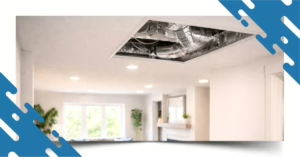
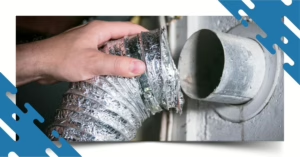
3. Leaky or Damaged Ductwork
If your home still has weak airflow after changing filters and clearing vents, the issue may be inside your ductwork. Leaks or damage let air escape before reaching your rooms, leaving your system overworked and your home uncomfortable.
Signs of Leaky Ducts
- Certain rooms receive little airflow
- Uneven temperatures throughout the home
- High energy bills
- Excessive dust
- Whistling sounds inside walls or ceilings
How to Fix It:
- Inspect visible ducts for holes, cracks, or loose connections. Small leaks can sometimes be sealed with foil HVAC tape or mastic sealant.
- For full inspection or hidden duct issues (inside walls or ceilings), call a professional. They have the tools to detect leaks and ensure your system is balanced.
- Consider duct insulation if leaks are common in unconditioned spaces like attics or crawl spaces—this not only improves airflow but also boosts energy efficiency.
Leaky ducts are sneaky because you don’t see them, but you feel them in every room. Catching and repairing them can make a huge difference in comfort, airflow, and energy savings.
4. Poorly Designed or Undersized HVAC System
Weak airflow isn’t always a malfunction—often, it’s a design issue. If your HVAC system is too small or the ductwork is poorly laid out, some rooms will never get enough air, regardless of filter cleanliness or vent adjustments.
How to Fix It:
- Have a professional perform a load calculation. This determines the right size of HVAC system for your home based on square footage, insulation, and local climate.
- Consider duct redesign or modifications if certain rooms aren’t receiving enough airflow. Sometimes, adding a duct branch or adjusting dampers can balance airflow.
- If the system is severely undersized, a system upgrade may be the best long-term solution—this ensures every room gets the airflow it needs and reduces strain on your HVAC equipment.
Think of your HVAC system like plumbing: if the pipes are too small, water won’t reach every faucet properly. Air works the same way—without the right size and layout, you’ll always experience weak airflow in certain areas of your home.
5. Dirty Coils and Internal Components
Even with airtight ducts and clear vents, weak airflow can come from inside the system. Dust, dirt, and mold build up on evaporator coils, blowers, and other components, making it harder for air to move and reducing consistent airflow throughout your home.
How to Fix It:
- Schedule annual maintenance with a licensed HVAC technician. They can clean the coils, blower wheel, and other internal components safely and effectively.
- Avoid trying to clean sensitive components yourself—some parts are fragile and can be damaged if handled improperly.
- Keep your home relatively dust-free; regular vacuuming and changing filters more frequently can slow down coil buildup.
Dirty coils are one of those hidden issues that quietly make your system work harder than it should. Catching it early not only restores airflow but also extends the life of your HVAC system and keeps your energy bills from climbing.
6. Failing Blower Motor or Fan Issues
If your filters, vents, ducts, and coils are all clean but your home still has weak airflow, the issue may lie in your HVAC system’s core: the blower motor or fan. This component drives air through the ducts and delivers it into each room. When the blower motor or fan begins to fail, airflow decreases, temperatures become uneven, and your system may start making unusual or strained noises.
How to Fix It:
- A failing blower motor or fan isn’t a DIY job. It requires professional diagnosis and repair.
- Listen for signs like unusual noises (squealing, rattling, or humming), inconsistent airflow, or certain vents blowing weaker than others.
- Regular maintenance can prolong the life of your blower motor—clean it, lubricate parts if needed, and ensure electrical connections are secure.
The blower motor is essentially your HVAC system’s “engine.” If it’s struggling, the whole system suffers. Catching early signs of failure can prevent more serious problems and save you from costly emergency repairs.
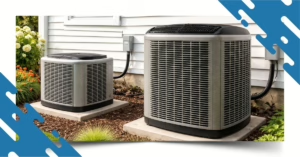
7. Obstructed Outdoor Unit (Often Overlooked)
Many homeowners overlook this: a blocked or dirty outdoor unit (condenser) can reduce airflow inside your home. While vents and ducts get most attention, the condenser’s job is to remove heat efficiently. When airflow around it is restricted, your system struggles, and vent performance drops.
How to Fix It:
- Keep at least 2–3 feet of clearance around the condenser. Trim plants, bushes, and remove debris regularly.
- Clean the coils and fins on the outdoor unit to ensure efficient heat exchange.
- Check the unit periodically, especially after storms or during fall when leaves are falling.
If your condenser is clogged, the whole system suffocates. A simple cleanup can restore proper airflow and help your AC run efficiently without overworking itself.
How to Prevent Weak Airflow
Most airflow problems are preventable with regular HVAC maintenance.
Here are a few simple habits that make a big difference:
- Change air filters regularly.
- Keep supply and return vents unobstructed.
- Schedule annual HVAC maintenance.
- Have your ductwork inspected if your home is older.
- Keep your outdoor condenser clean.
- Address unusual noises or performance issues early.
- Replace aging HVAC systems before major failures occur.
Routine maintenance improves airflow, increases efficiency, lowers energy bills, and extends equipment life.
When Should You Call an HVAC Professional?
While replacing an air filter is a simple DIY task, many airflow issues require professional diagnosis.
Contact an HVAC technician if:
- Airflow remains weak after replacing the filter.
- Your AC frequently freezes.
- Some rooms never reach the desired temperature.
- You hear unusual noises.
- Your energy bills continue increasing.
- Your HVAC system runs almost constantly.
- Your equipment is more than 10–15 years old.
Early repairs can prevent more expensive breakdowns later.
Frequently Asked Questions
The most common causes include a clogged air filter, blocked vents, dirty evaporator coil, blower motor issues, frozen evaporator coil, or leaking ductwork.
Yes. A clogged air filter is the leading cause of restricted airflow. Replacing it regularly helps maintain efficient heating and cooling.
This often indicates blocked vents, leaking ductwork, duct design problems, closed dampers, or airflow balancing issues.
Most homeowners should replace disposable filters every 1 to 3 months. Homes with pets, allergies, or heavy HVAC use may require more frequent replacement.
Yes. Dust buildup, disconnected ducts, crushed ducts, or leaking ductwork can all reduce airflow throughout your home.
Absolutely. Professional maintenance includes cleaning critical components, inspecting airflow, checking blower performance, identifying duct issues, and ensuring your system operates at peak efficiency.
Restore Comfort, Save Energy, and Breathe Easier
Weak airflow can be frustrating, but it’s rarely something you have to live with. From dirty filters and blocked vents to duct leaks or failing components, most causes are fixable—sometimes with a simple DIY solution, other times with professional help.
If your home still feels stuffy, unevenly cooled, or just not comfortable, don’t wait. Iron Shield Heating & Air can diagnose and fix weak airflow quickly, safely, and efficiently. Our team of trained technicians ensures your system delivers consistent comfort, improves energy efficiency, and keeps your indoor air quality healthy.
Call us today or schedule a service online to get your airflow back to where it should be—and enjoy a home that’s comfortable in every room, all year long.
Related Blog Posts
Read more articles and expert advice related to this service.