
Fall brings cooler mornings, more comfortable evenings, and changing temperatures throughout the day. But in Florida, fall weather can be unpredictable. You may need air conditioning in the afternoon and a little heat on cooler mornings or evenings.
That makes knowing the best fall thermostat settings especially important.
The right thermostat temperature can help you stay comfortable while avoiding unnecessary HVAC runtime and higher energy bills. Whether you have central air conditioning, a heat pump, or a traditional heating system, small thermostat adjustments can make a noticeable difference over time.
In this guide, we’ll explain the best thermostat settings for fall, how to adjust your temperature when you’re home or away, how smart thermostats can help, and other ways to improve your home’s energy efficiency.
What Is the Best Thermostat Setting in Fall?
The best fall thermostat setting depends on your local weather, comfort preferences, and whether your home is primarily using air conditioning or heating.
For homes that are beginning to use heating, the U.S. Department of Energy has historically recommended a winter heating setting of around 68°F while you’re awake and at home, with a lower temperature while you’re asleep or away.
However, Florida homeowners may not need to use heating consistently in early fall. When outdoor temperatures are still warm, keeping your thermostat at a reasonable cooling temperature can be more appropriate.
Recommended Fall Thermostat Settings
Situation | Suggested Setting |
| Home and using heat | Around 68°F |
| Sleeping while using heat | Lower than your daytime setting |
| Away from home while heating | Lower the temperature rather than heating an empty home |
| Home and still using AC | Use the highest comfortable cooling setting |
| Mild Florida fall weather | Adjust based on indoor comfort and outdoor temperature |
The goal isn’t to choose one temperature and leave it there all season. Instead, adjust your thermostat according to the weather, your schedule, and whether your HVAC system is cooling or heating your home.
Best Fall Thermostat Settings for Florida Homes
Fall in Florida is different from fall in colder parts of the country.
In areas such as Ocala, The Villages, Belleview, Summerfield, Lady Lake, and surrounding communities, temperatures can remain warm during the day even when mornings and evenings become cooler.
That means your HVAC system may still be running in cooling mode during parts of the fall.
If Your Home Still Needs Air Conditioning
When outdoor temperatures remain warm, set your thermostat to the highest indoor temperature that feels comfortable.
For many homeowners, this may mean gradually increasing the cooling temperature rather than keeping the thermostat at a very low setting all day.
A higher cooling temperature reduces the difference between indoor and outdoor temperatures, which can help reduce air-conditioning runtime. The U.S. Department of Energy notes that raising the thermostat during cooling season can reduce cooling costs.
If You Start Using Your Heating System
When temperatures begin to drop enough that you need heat, a setting around 68°F while you’re awake and at home is a commonly recommended starting point.
You can then lower the temperature when you’re sleeping or away from home if that remains comfortable for your household.
The important thing is to avoid making your HVAC system work harder than necessary.
Optimal Fall Thermostat Settings for Energy Savings
The Role of Programmable and Smart Thermostats
If you’ve ever forgotten to adjust your thermostat before leaving the house—or woken up shivering in the middle of the night—you know how frustrating it can be to manage fall thermostat settings manually. That’s where programmable and smart thermostats come in.
Programmable thermostats let you set a schedule for your home’s temperature. For example, you can have it lower the heat while you’re at work and gradually warm up your house right before you walk in the door. It’s like having a personal assistant who never forgets to save energy.
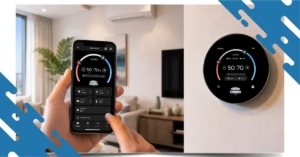
Then there are smart thermostats, which take things a step further. These devices learn your habits and automatically adjust the temperature based on your routine. Some even connect to your phone, letting you control the thermostat from anywhere. According to studies, smart thermostats can save homeowners up to 23% on heating and cooling costs. That’s a significant chunk of money over a year!
I remember installing a smart thermostat in my own home last fall. The first morning, I realized it had already adjusted the temperature perfectly for my wake-up routine. No more rushing to the thermostat in the morning or leaving it on all day—just comfort and savings without lifting a finger.
Have you tried using a programmable or smart thermostat before? If not, imagine how much simpler your life could be while still sticking to the ideal fall thermostat settings. It’s a small upgrade that can make a noticeable difference in both comfort and your energy bills.
Additional Tips to Enhance Energy Efficiency
Adjusting your fall thermostat settings is just one piece of the energy-saving puzzle. There are several simple habits and home tweaks that can make your heating even more efficient—and trust me, they really add up over the season.
1. Use Ceiling Fans Wisely
2. Seal Leaks and Drafts
3. Smart Use of Curtains and Blinds
4. Maintain Your HVAC System
What are some of your go-to tricks for keeping your home warm and efficient during the fall? Are there any habits you’ve tried that worked surprisingly well?
Benefits Beyond Energy Savings
- Save 10–23% on heating costs annually by adjusting your thermostat and improving energy habits.
- Lower energy use means reduced carbon footprint, helping the environment while keeping your home comfortable.
- Maintain consistent indoor temperatures, eliminating cold spots or overheated rooms.
- Enjoy the confidence of an energy-efficient home and predictable heating bills.
Frequently Asked Questions About Fall Thermostat Settings
For homes that are using heating, 68°F while you’re awake and at home is a commonly recommended starting point. However, fall thermostat settings should be adjusted based on your local climate, comfort preferences, and whether your home is using heating or air conditioning.
If you’re using heat, consider lowering the thermostat from your daytime setting while sleeping. The exact temperature depends on your comfort preferences, household needs, and HVAC system.
Usually, you don’t need to completely turn off your HVAC system. Instead, use a reasonable temperature setback while you’re away. A programmable or smart thermostat can automate this adjustment.
Yes, 68°F can be a good starting point when heating your home, particularly while you’re awake and at home. However, Florida homeowners may still need cooling during warmer fall afternoons, so the appropriate setting can vary significantly throughout the season.
There isn’t one universal setting for Florida. Early fall can still be warm enough to require air conditioning. Set your thermostat to the highest cooling temperature that remains comfortable, then adjust as outdoor temperatures cool.
When heating becomes necessary, around 68°F while you’re home and awake is a reasonable starting point.
They can. ENERGY STAR says certified smart thermostats save approximately 8% on heating and cooling bills on average, or about $50 per year, with actual savings varying by household. Homes that are unoccupied much of the day may save more.
Many smart thermostats are compatible with heat pumps, but compatibility varies by equipment and thermostat. Always confirm compatibility before installation. Some advanced HVAC systems may require a thermostat or controller designed specifically for that equipment.
Annual professional maintenance is a good general guideline. Seasonal maintenance can help identify airflow, electrical, performance, and other HVAC issues before they become larger problems.
A constantly running HVAC system can have several possible causes, including extreme outdoor temperatures, incorrect thermostat settings, restricted airflow, dirty filters, duct problems, refrigerant issues, or an HVAC system that isn’t operating properly.
If your system is running continuously and your home isn’t reaching the desired temperature, it’s a good idea to have it professionally inspected.
Related Blog Posts
Read more articles and expert advice related to this service.