
Allergy season can be especially frustrating for Ocala homeowners. Sneezing, itchy eyes, congestion, and a scratchy throat can make it difficult to enjoy time at home—even when the windows are closed.
The problem is that outdoor allergens don’t necessarily stay outside. Pollen, dust, mold spores, and pet dander can enter your home through doors, clothing, pets, and normal household activity. Once inside, airborne particles can circulate through your home’s heating and cooling system.
That makes your HVAC system and indoor air quality an important part of your home’s comfort during allergy season.
A properly maintained HVAC system can help filter airborne particles, manage indoor humidity, and keep air moving throughout your home. However, filtration is only one part of good indoor air quality. EPA recommends combining source control, ventilation when outdoor conditions allow, moisture control, and filtration or air cleaning for a more comprehensive approach.
For homeowners in Ocala, where warm and humid conditions can contribute to moisture problems, paying attention to your HVAC system can be especially important.
Why Allergy Season Can Be Difficult Indoors
When we think of allergies, most of us picture sneezing in a park or pollen-covered cars—but did you know that many allergy triggers are hiding right inside your home? During allergy season in Ocala, common culprits like pollen, dust, and mold spores don’t just stay outside—they can make their way indoors and stick around for days.
Even with your windows closed, allergens can still enter your home through doors, clothing, pets, and even your HVAC system. This means that each time your air system runs, it can spread dust, pollen, and other irritants throughout your home. Many homeowners notice that sneezing fits, congestion, or itchy eyes seem worse inside than outside—this is often because allergens are trapped in the indoor air.
It’s a frustrating situation: you want to enjoy your home as a safe, comfortable space, but allergy season can turn it into an irritant-filled zone. The good news? With the right HVAC system care and upgrades, you can dramatically reduce indoor allergens and reclaim your comfort.
How Your HVAC System Can Help During Allergy Season
Your HVAC system does more than heat and cool your home. When properly maintained and equipped with appropriate filtration, it can also manage indoor air quality.
1. HVAC Air Filters Can Capture Airborne Particles
Your HVAC filter is one of the first lines of defense against airborne particles.
A properly selected filter can help capture particles such as:
- Dust
- Pollen
- Pet dander
- Some mold particles
- Other airborne particulate matter
EPA’s current guidance recommends selecting the highest-rated filter that your HVAC system can properly accommodate. MERV 13 or higher may be appropriate when compatible with the system. A filter that is too restrictive for your equipment can negatively affect airflow, so homeowners should check their system requirements or consult an HVAC professional before upgrading.
How Often Should You Change Your HVAC Filter?
There is no single replacement schedule that works for every home. Follow the filter manufacturer’s instructions and check the filter regularly.
Homes with pets, construction activity, high dust levels, or heavier HVAC usage may require more frequent filter changes.
A visibly dirty filter should not be ignored.
2. HVAC Systems Help Control Indoor Humidity
Humidity control is particularly important in a warm, humid climate like Florida.
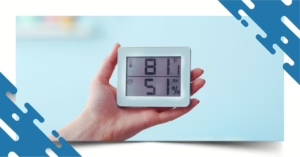
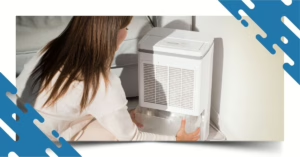
Excess moisture can create conditions that encourage mold growth. EPA recommends maintaining indoor relative humidity between 30% and 50% when possible and keeping it below 60%.
Your air conditioner removes moisture while it cools your home. If your home remains excessively humid despite the AC running, there may be an issue with system performance, sizing, airflow, or moisture control.
A professional HVAC inspection can help identify potential causes.
3. Regular HVAC Maintenance Helps Keep the System Operating Properly
Dust and debris can accumulate on HVAC components over time. Moisture-related problems can also affect areas such as condensate pans and drain systems.
EPA recommends routine HVAC inspections and maintenance and specifically notes the importance of keeping HVAC drip pans clean and drain lines unobstructed.
Professional HVAC maintenance may include checking:
- Air filters
- Indoor and outdoor coils
- Condensate drain
- Drain pan
- Blower operation
- Electrical components
- Refrigerant-related system performance
- Airflow
- Thermostat operation
- Overall system condition
Routine maintenance doesn’t eliminate allergens, but it can help your HVAC system operate as intended and identify problems that could contribute to poor indoor air quality.
4. Proper Airflow Helps Circulate Filtered Air
Good airflow is essential for an HVAC system to operate efficiently.
Blocked vents, restricted filters, dirty components, or ductwork problems can interfere with airflow and make it harder for your system to properly condition your home.
If some rooms are consistently hotter or colder than others, or certain areas have noticeably weak airflow, your system may need professional attention.
5. Air Purification Can Provide an Additional Layer of Filtration
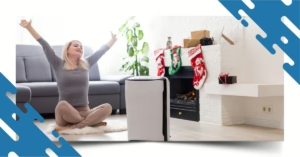
For homeowners concerned about indoor air quality, an HVAC-compatible air purifier or other air-cleaning technology may provide an additional layer of particle filtration.
EPA notes that HVAC filters and portable air cleaners can help reduce indoor air pollution, but no filtration system removes every pollutant. Air cleaning should complement source control, ventilation, and moisture management rather than replace them.
If you’re considering an air purification upgrade, make sure the equipment is appropriate for your HVAC system and home.
Signs Your HVAC System May Need Attention During Allergy Season
- Unusual odors: A musty or dusty smell when your HVAC system starts running may be a sign of mold or dust buildup in your air ducts.
- Frequent sneezing or congestion indoors: If allergy symptoms spike when you’re at home, your HVAC might be circulating allergens instead of removing them.
- Reduced airflow or uneven temperature: If some rooms are too hot, too cold, or have weak airflow, it could indicate blockages or inefficiencies in your system.
- Dirty or old filters: If you haven’t replaced your filter in the past 1–3 months, it’s likely not trapping allergens effectively.
Tips to Maximize Your HVAC’s Allergy-Fighting Power
If you want to take control of allergy season in Ocala, there are simple steps you can take to make your HVAC system work harder for you:
1. Upgrade Your Air Filters
HEPA or high-efficiency filters trap more pollen, dust, and pet dander than standard filters. Check your system’s compatibility and replace filters every 1–3 months during peak allergy season.
2. Schedule Professional Maintenance
A thorough inspection and cleaning by a certified HVAC technician ensures that ducts, coils, and vents are free of dust, mold, and other allergens.
3. Control Humidity Levels
Keep indoor humidity between 40–50% to reduce dust mites and mold growth. Your HVAC system can help maintain these levels consistently.
4. Optimize Airflow
Ensure vents are unobstructed and your system is balanced to circulate air evenly throughout your home.
5. Limit Indoor Triggers
Minimize indoor plants that collect pollen, keep pets groomed, and vacuum frequently with a HEPA-filter vacuum to complement your HVAC efforts.
These strategies become a powerful ally, making your home feel fresher, cleaner, and more comfortable—even during the peak of allergy season.
Allergy Season and Indoor Air Quality: FAQs
Allergy conditions can vary throughout the year in Central Florida because different plants release pollen at different times, while mold can be an indoor and outdoor concern in warm, humid conditions.
Rather than relying on one specific “allergy season,” Ocala homeowners should pay attention to local pollen levels, weather conditions, humidity, and their home’s indoor air quality throughout the year.
Your HVAC system can help filter airborne particles and manage indoor humidity, depending on the equipment and filtration installed.
However, HVAC filtration is only one part of improving indoor air quality. EPA recommends combining filtration with source control, appropriate ventilation, and moisture management.
There isn’t one filter that is best for every HVAC system.
EPA recommends using the highest-efficiency filter your system can properly accommodate and notes that MERV 13 or higher may be appropriate when compatible.
Before installing a higher-MERV filter, check your equipment specifications or ask an HVAC professional.
Follow the filter manufacturer’s recommendations and inspect the filter regularly.
Homes with pets, high dust levels, renovations, or heavier HVAC use may need more frequent replacement.
EPA recommends keeping indoor relative humidity between 30% and 50% when possible and below 60%.
High humidity can contribute to conditions that support mold growth and can encourage dust mites. Controlling moisture is therefore an important part of managing indoor air quality.
Yes. HVAC filters are designed to capture airborne particles as air passes through the system. A heavily loaded filter can reduce airflow and may not perform as intended.
Replacing filters according to the manufacturer’s recommendations is an important part of HVAC maintenance.
Not necessarily. Air duct cleaning is not a routine requirement for every home.
If you have visible mold, substantial debris, pest contamination, or another specific concern involving your duct system, professional evaluation can help determine whether cleaning is appropriate.
No.
An air purifier can supplement your HVAC filtration, but it does not replace your HVAC filter or proper HVAC maintenance.
EPA recommends using filtration and air cleaning as part of a broader indoor air-quality strategy.
No HVAC service can guarantee that allergy symptoms will disappear.
However, maintaining your HVAC system, using appropriate filtration, controlling indoor humidity, and addressing moisture problems can help improve your home’s indoor air quality and reduce certain airborne pollutants.
If you experience persistent or severe allergy symptoms, consult a qualified healthcare professional.
Breathe Easier This Allergy Season with a Reliable HVAC System
Related Blog Posts
Read more articles and expert advice related to this service.