
Florida homeowners know that “fall” does not necessarily mean cool weather.
While temperatures may become more comfortable at times, Florida can still experience warm days, high humidity, rain, and sudden temperature changes well into October. In fact, the National Weather Service notes that summer-like heat and humidity can persist into October in parts of Florida, while more noticeable cool-downs often arrive later in the season.
That makes the HVAC fall transition different from what homeowners experience in colder states.
You may still need your air conditioner during the day while occasionally using your heating system at night. Your HVAC system also continues managing indoor humidity, airflow, and comfort as outdoor conditions change.
This seasonal transition is an ideal time to inspect your HVAC system, replace a dirty air filter, clear debris around the outdoor unit, check your thermostat, and schedule professional maintenance before a small problem becomes an expensive repair.
What Is an HVAC Fall Transition?
An HVAC fall transition is the period when your home gradually moves from heavy summer air conditioning use toward cooler-weather operation.
In Florida, this does not happen overnight.
Instead, homeowners may experience:
- Hot afternoons followed by cooler evenings
- Continued high humidity
- Occasional rain and storms
- Short periods of cooler weather followed by warmer temperatures
- Less consistent air conditioner runtime
- Increased need for heating as the season progresses
- Changes in indoor comfort and humidity
Florida’s climate is often better described in terms of warm/wet and cool/dry seasons than the four traditional seasons. The National Weather Service identifies May through October as the general warm/wet period and November through April as the cooler/drier period, although the exact transition varies from year to year.
Your HVAC system may continue cooling your home well into fall, so don’t assume it’s time to shut off the AC completely.
Why Florida's Fall HVAC Transition Matters
In many parts of the country, fall means turning off the air conditioner and preparing the furnace for months of cold weather.
Florida is different.
Your air conditioner may still be working hard during September and October, particularly on warm, humid afternoons. At the same time, your heating system or heat pump may eventually need to operate during cooler mornings and evenings.
This makes fall an important time for HVAC maintenance in Florida.
A system that struggled during the summer may begin showing symptoms such as:
- Uneven cooling
- Weak airflow
- Higher-than-expected energy bills
- Strange sounds
- Unusual odors
- Excess indoor humidity
- Frequent cycling
- Water around the indoor unit
- Difficulty maintaining the thermostat setting
Ignoring these warning signs can allow a minor HVAC problem to become a more expensive repair.
7 Smart HVAC Fall Transition Tips for Florida
Preparing your HVAC system for fall doesn’t have to be complicated.
These simple steps can help you stay comfortable while getting your system ready for changing weather.
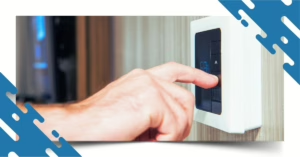
1. Adjust Your Thermostat Gradually
Florida temperatures can change quickly, so avoid making extreme thermostat changes based on one unusually cool evening.
Instead, adjust your thermostat based on your home’s actual comfort level.
During warm weather, ENERGY STAR recommends setting the thermostat as high as is comfortably possible and using programmable or smart thermostat settings when appropriate.
If you have a heat pump, make sure your thermostat is configured correctly for your specific system.
2. Check Your HVAC Air Filter
Your air filter is one of the easiest HVAC components for a homeowner to inspect.
Check filters monthly and replace them when dirty, with replacement at least every three months as a general guideline. Homes with pets, heavy dust, or other conditions may require more frequent replacement.
A dirty filter can restrict airflow and make your HVAC system work harder.
Fall reminder: Check your filter before the season changes.
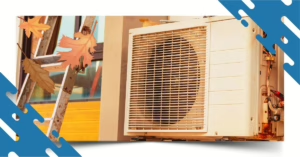
3. Keep the Outdoor AC Unit Clear
Walk around your outdoor condenser and look for leaves, grass clippings, branches, dirt, and other debris.
Keep the area around the unit clear so air can move properly through the outdoor coil. Avoid attempting complex cleaning or repairs yourself. If the outdoor coil is heavily dirty or damaged, have an HVAC professional inspect it.
4. Check Your Vents and Registers
Make sure supply vents and return grilles are open and not blocked by furniture, rugs, curtains, or other objects.
Restricted airflow can make it harder for your HVAC system to distribute conditioned air throughout your home.
If certain rooms consistently receive little airflow, the problem may require professional diagnosis.
5. Test Your Heating System Before You Need It
Florida may not require heating every day in the fall, but cooler weather can arrive unexpectedly.
If your home uses a heat pump, furnace, or another heating system, test the heating function before the first significant cold snap.
Don’t wait until the first chilly night to discover that your system isn’t heating properly.
6. Pay Attention to Indoor Humidity
Comfort isn’t only about temperature.
Florida homes can remain humid during the fall transition, particularly early in the season. Your HVAC system plays an important role in removing moisture from indoor air.
If your home feels damp, sticky, or musty despite normal thermostat settings, schedule an HVAC inspection.
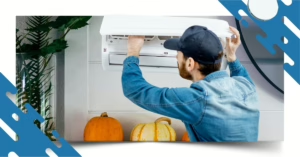
7. Schedule a Professional HVAC Tune-Up
A professional fall HVAC tune-up can identify issues that aren’t obvious to the average homeowner.
Depending on the system, professional maintenance may include checking:
- Thermostat operation
- Electrical connections
- Motors and controls
- Condensate drain
- Airflow
- Blower components
- Evaporator and condenser coils
- Refrigerant levels
- Heating operation
- System safety controls
This downloadable PDF offers a detailed HVAC maintenance checklist, covering essential tasks such as checking refrigerant levels, inspecting motors and fans, cleaning coils, and ensuring proper lubrication—key steps to prepare your system for the fall season.
A Florida Homeowner’s Wake-Up Call
Let’s be honest—many of us think, “It’s just a little warm today, my AC can handle it.” However, skipping seasonal maintenance can sometimes cause unexpected problems.
One family assumed their system was fine because it had survived a long, hot summer. One evening, the temperature dropped, and their AC started making strange noises and blowing uneven, warm air. A minor issue that could have been fixed with a quick fall check-up turned into a costly emergency repair—and uncomfortable nights for the whole household.
Meanwhile, a neighbor decided to schedule a simple fall tune-up with a trusted HVAC company. The technician identified a clogged filter and a minor refrigerant issue. Both were fixed in under an hour, and the home enjoyed steady comfort for the entire season—without stress, unexpected bills, or sleepless nights.
A little preparation goes a long way. It’s not just about saving money—it’s about avoiding frustration, keeping your home comfortable, and ensuring your system runs smoothly when Florida’s fall weather is unpredictable.
Keep Your Home Comfortable This Fall: Take Charge of Your HVAC
Florida’s fall may not bring snow or freezing temperatures, but it still demands attention for your HVAC system. From unpredictable temperature swings to hidden maintenance issues, skipping seasonal care can lead to uncomfortable nights, higher energy bills, and unexpected repairs.
Take a few smart steps—adjust your thermostat, check your filters, clear debris, and book a professional tune-up—to stay ahead of problems and enjoy worry-free comfort all season long.
Don’t wait for an unexpected breakdown to realize how essential your system is. Trust the experts at Iron Shield Heating and Air to handle your HVAC fall transition in Florida. Our experienced technicians provide reliable, efficient, and affordable service so you can relax and enjoy a cozy, worry-free home.
Schedule your seasonal tune-up today and avoid AC chaos this fall!
Frequently Asked Questions About HVAC Fall Transition in Florida
Early fall is a good time to schedule an HVAC inspection, especially before you expect to use your heating system more frequently. In Florida, cooling may still be necessary well into fall, so the goal isn’t necessarily to shut off the AC—it is to make sure the entire HVAC system is operating properly.
ENERGY STAR recommends professional pre-season HVAC checkups and specifically identifies fall as a good time to check heating equipment.
No. Florida can remain warm and humid well into fall. The National Weather Service notes that high temperatures and humidity can persist into October in parts of the state.
Continue using your air conditioner whenever indoor temperatures and humidity require it.
There is no single date that works for every Florida home.
Weather varies throughout the state and from year to year. Instead of switching on a specific calendar date, monitor outdoor temperatures and indoor comfort. Test your heating system before you actually need it.
Check your filter every month. If it is dirty, replace or clean it according to the filter and HVAC manufacturer’s instructions. ENERGY STAR recommends changing filters at least every three months as a general minimum, although some homes require more frequent changes.
Possible causes include inadequate dehumidification, restricted airflow, drainage problems, equipment issues, oversized equipment, or other home-related factors.
If your home consistently feels damp or sticky, have an HVAC professional evaluate the system.
Yes. A fall HVAC tune-up can be useful even if your air conditioner appears to be working normally. Florida’s continued warm weather means your AC may still operate during fall, while maintenance can also help prepare heating equipment for cooler weather.
The exact service depends on your system, but professional maintenance can include checking thermostat operation, electrical connections, condensate drainage, coils, refrigerant, airflow, blower components, controls, and heating operation.
Yes. A dirty filter can restrict airflow, causing the HVAC system to work harder to move conditioned air through the home. ENERGY STAR recommends checking filters monthly and replacing them when needed.
Start with the basics: maintain a clean filter, keep the outdoor unit clear, avoid blocking vents, use your thermostat appropriately, address airflow or comfort problems, and schedule professional maintenance.
Call an HVAC professional if you notice poor cooling, weak airflow, unusual noises, unusual odors, water leaks, frequent cycling, excessive humidity, unexpected energy increases, or a system that fails to heat or cool properly.
Don’t wait for a complete breakdown if your system is already showing warning signs.
Related Blog Posts
Read more articles and expert advice related to this service.