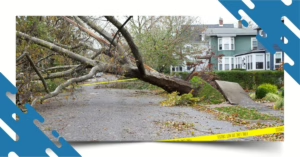

When a major storm hits, homeowners naturally focus on the visible damage—soaked carpets, damaged furniture, wet drywall, and standing water. But there’s another part of your home that may be affected long after the floodwaters disappear: your HVAC system.
Flood damage affects your HVAC in ways that are not always immediately visible. Water can reach electrical components, motors, air handlers, ductwork, insulation, and other critical parts. Even if your system appears to work normally after a flood, hidden moisture and contamination can create serious problems later.
Your HVAC system also plays an important role in your home’s indoor air quality. If floodwater or excessive moisture reaches the system, mold, mildew, bacteria, dirt, and other contaminants can potentially enter the airflow and spread throughout your home.
If you notice a musty smell, unusual noises, weaker airflow, or frequent HVAC problems after a storm, don’t ignore the warning signs.
Let’s look at how flood damage affects your HVAC, how it can impact indoor air quality, and what you should do after your HVAC system has been exposed to floodwater.
How Does Flood Damage Affect Your HVAC?
Your HVAC system contains electrical, mechanical, and air-distribution components that are not designed to operate after being exposed to floodwater. Even limited water exposure can create problems that develop over time.
1. Electrical Damage
HVAC systems depend on electrical wiring, circuit boards, switches, capacitors, relays, and other components. When these parts are exposed to water, they can become corroded or damaged.
Floodwater can potentially cause:
- Corroded electrical connections
- Short circuits
- Damaged control boards
- Electrical failures
- Increased risk of overheating or fire
- Intermittent system operation
Never assume an HVAC system is safe simply because it turns on after a flood. Water-damaged electrical components can remain hazardous even after the exterior appears dry.
2. Damage to Motors, Fans, and Compressors
Your HVAC system contains several moving components, including blower motors, condenser fan motors, compressors, and other mechanical parts.
Floodwater can cause these components to:
- Rust or corrode
- Lose lubrication
- Seize or stop operating
- Develop electrical problems
- Experience premature failure
In some cases, damage may not become obvious until days or weeks after the initial water exposure.
3. Contaminated Ductwork
Your ductwork distributes conditioned air throughout your home. If floodwater, contaminated moisture, dirt, or debris enters the duct system, those contaminants can potentially be redistributed through the home’s air supply.
This is especially concerning when floodwater contains:
- Dirt and sediment
- Mold spores
- Bacteria
- Organic material
- Other environmental contaminants
If your ductwork has been exposed to floodwater, professional evaluation is recommended before continuing normal HVAC operation.
4. Wet or Damaged Insulation
Insulation surrounding ductwork helps your HVAC system maintain efficient temperatures. When insulation becomes saturated, it can lose effectiveness.
More importantly, damp insulation can contribute to mold and mildew growth if it remains wet.
Depending on the material and extent of contamination, affected insulation may need to be professionally cleaned, dried, or replaced.
5. Air Handler and Evaporator Coil Problems
The indoor air handler is particularly important because it is directly involved in circulating air throughout your home.
If floodwater reaches the air handler, it can affect:
- Blower assemblies
- Electrical components
- Evaporator coils
- Drain pans
- Filters
- Internal insulation
Because many of these components are enclosed, visible inspection alone may not reveal the full extent of the damage.
Flood damage doesn’t always mean your HVAC is ruined beyond repair—but it does mean hidden risks could be lurking inside the system. The key is knowing what to watch out for before those small issues become expensive (and unhealthy) problems.
How Flood Damage Can Affect Indoor Air Quality
The air circulating through your home can also change in ways you might not notice right away. And since your HVAC is essentially the lungs of your house, whatever gets inside it eventually gets into your breathing space, too.
Mold and Mildew Growth
Moisture is mold’s best friend. Once water enters the ducts or air handler, mold spores can begin spreading quickly. You might catch a whiff of that damp, musty smell when the system kicks on—but the real issue is that mold spores are now riding along with your airflow. Would you want your family breathing that in day after day? This link offers expert guidance on preventing and removing mold in homes after flooding, emphasizing the importance of having a professional HVAC inspection.
Bacteria and Other Contaminants
Floodwater can contain more than ordinary rainwater. Depending on the source of the flooding, it may carry dirt, microorganisms, sewage, chemicals, and other contaminants.
If contaminated water reaches your HVAC system, those contaminants may affect your home’s indoor environment.
This is particularly important for households with children, older adults, or individuals who are sensitive to poor indoor air quality.
Lingering Musty Odors
Have you noticed a musty smell every time your air conditioner turns on after a storm?
Persistent odors can be a sign that moisture or contamination remains somewhere within the HVAC system, including filters, ductwork, insulation, or the air handler.
Simply masking the odor with an air freshener won’t address the underlying problem.
Poor Airflow
Flood damage can also contribute to restricted or uneven airflow if vents, ducts, filters, or other components become contaminated or damaged.
You may notice:
- Weak airflow from vents
- Some rooms receiving less air than others
- Longer cooling cycles
- Difficulty maintaining your thermostat setting
Poor airflow can also force your HVAC system to work harder, potentially increasing energy consumption.
Flood damage can turn your HVAC into a silent spreader of pollutants if it’s not addressed quickly. That’s why catching the warning signs early is so important.
Warning Signs Your HVAC Has Flood Damage
After a flood, it’s easy to assume your HVAC is fine if it still turns on. Flood damage isn’t always immediately noticeable. Sometimes, the issues are subtle at first—and by the time they become obvious, repairs can be costly. So, how can you tell if your system was affected? Here are the most common warning signs to watch for:
1. Strange HVAC Noises or Smells
Have you noticed unusual buzzing, grinding, or rattling sounds coming from your HVAC system? Or do you notice a faint burning or electrical smell when it’s running? These can be early indicators of water-damaged components or corroded wiring.
2. Weak or Uneven Airflow
Does it feel like some rooms are freezing while others barely get any air? Flood damage can warp your ducts or clog your vents, causing inconsistent airflow. As a result, your HVAC system may have to work harder than normal just to circulate air throughout your home.
3. Higher Energy Bills
If your energy bills spike unexpectedly after a flood, your HVAC could be struggling with hidden water damage. Wet insulation, corroded parts, or obstructed ducts all force your system to use more power to achieve the same level of comfort.
4. Musty or Unusual Smells
A musty odor when the system turns on is often the first sign of mold or mildew growth inside the ducts or air handler. It’s one of those smells that lingers long after the floodwater is gone.
5. Frequent System Breakdowns
If your HVAC system suddenly requires frequent repairs, it may be suffering from lingering water damage. Even minor problems, such as corroded motors or damaged electrical components, can cause repeated failures over time.
Recognizing these warning signs early can save you money, prevent health risks, and extend the life of your system. The key question is: if you notice even one of these issues, are you willing to risk letting it go unchecked?
What to Do If Your HVAC Has Been Flooded
So, you’ve noticed the warning signs—or maybe you’re just being cautious after a storm. The big question is: what’s the safest and smartest way to handle a flood-damaged HVAC system? Here’s a clear roadmap to protect your home, your system, and your family’s health.
- It might be tempting to switch on your HVAC to see if it still works, but doing so can be dangerous. Wet electrical components can short-circuit, and damaged motors may seize. Ensure the system is completely powered off.
- Even minor damage can hide serious issues. A licensed HVAC pro can spot issues like corroded wiring, water-damaged motors, or mold in your ducts—things most homeowners never notice.
- Professionals can properly dry the system, sanitize ducts, and replace filters or insulation if needed. DIY attempts often leave moisture behind, which creates problems down the line.
- Depending on the extent of the flood damage, some HVAC units can be repaired, while others are safer and more cost-effective to replace. A professional assessment can help you weigh the options. Remember: a brand-new, fully functional system may cost more upfront but can save thousands in repairs and health risks later.
- Even after repairs or replacement, continue monitoring your home’s air quality. Look for lingering odors, unusual moisture, or allergy flare-ups. Small signs can indicate the system still needs attention.

Protect Your Home and Air: Don’t Let Flood Damage Take a Toll
Frequently Asked Questions About Flood Damage and HVAC Systems
Yes. An HVAC system may continue operating after water exposure even when electrical, mechanical, or internal components have been damaged. Corrosion and other problems can develop later, so professional inspection is recommended before returning a flood-exposed system to normal operation.
It is safest not to turn on HVAC equipment that has been exposed to floodwater until it has been professionally inspected. Water-damaged electrical components can create safety hazards, and contaminated equipment may affect indoor air quality.
Flooding can introduce moisture, mold, bacteria, dirt, and other contaminants into areas such as ductwork, air handlers, filters, and insulation. When the HVAC system operates, these contaminants may potentially circulate through the home.
Yes. If moisture enters ductwork or remains in damp areas around the HVAC system, it can create conditions that support mold and mildew growth. Musty odors and visible growth can be warning signs.
Not necessarily. Some flood-damaged HVAC systems can be repaired, while others may be safer or more economical to replace. The decision depends on the extent of water exposure, contamination, equipment condition, age, and repair costs.
If an HVAC filter has been exposed to floodwater, excessive moisture, or contamination, it should be evaluated and typically replaced. However, replacing the filter alone may not resolve contamination elsewhere in the HVAC system.
Common warning signs include strange noises, burning or musty odors, weak airflow, uneven cooling, higher energy bills, corrosion, visible moisture, frequent breakdowns, and changes in indoor air quality.
Yes. Damaged motors, restricted airflow, wet insulation, contaminated components, or other HVAC problems can cause the system to work harder or run longer, potentially increasing energy consumption.
Not always. The appropriate solution depends on the type and extent of contamination, the duct material, water exposure, and condition of the insulation. A qualified professional can determine whether cleaning, sanitizing, drying, or replacement is appropriate.
As soon as it is safe to do so. Prompt inspection can help identify electrical hazards, water damage, contamination, and moisture-related problems before they become more serious.
Professional HVAC cleaning may help when appropriate, but cleaning alone is not a solution for every type of flood contamination. A professional should first determine the source and extent of the contamination and whether affected components can be safely cleaned or need replacement.
Homeowners in Ocala and surrounding areas can contact Iron Shield Heating & Air for professional HVAC inspection and service following water exposure or severe weather.
Related Blog Posts
Read more articles and expert advice related to this service.