If you’ve noticed musty odors, recurring mold around your air vents, or you’re looking for ways to improve your home’s indoor air quality, you’ve probably heard about UV light air purifiers for HVAC systems. But do they actually work?
The short answer is yes—when properly installed, UV-C lights can significantly reduce mold, bacteria, viruses, and other microorganisms inside your HVAC system.
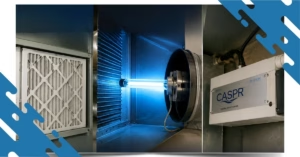
Unlike traditional air filters that trap dust and allergens, UV light technology disinfects the inside of your heating and cooling system by damaging the DNA of harmful microbes, preventing them from reproducing.
For homeowners in Florida’s hot and humid climate, where moisture encourages mold growth inside air conditioners, UV lights have become one of the most effective HVAC upgrades for cleaner indoor air and a healthier home.
So, is installing a UV light in your HVAC system worth it for your home?
How UV Light Air Purifiers Actually Work
You might be wondering, “Okay, so it shines a light… but how does that actually clean the air?”
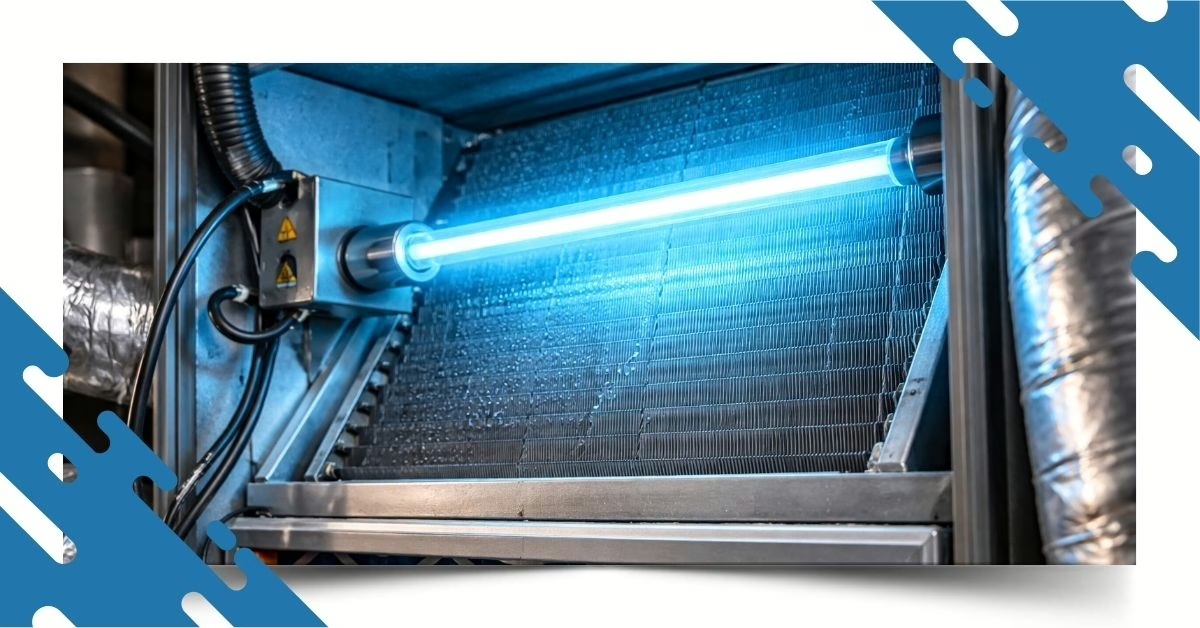
UV air purifiers in HVAC systems use UV-C light, a type of ultraviolet light with wavelengths ranging from 200 to 280 nanometers. This is the same type of light that sunlight uses to naturally kill bacteria and viruses—but concentrated and controlled inside your HVAC system.
Here’s what happens step by step:
1. Air passes through your HVAC system.
Indoor air carries more than dust. It can also contain:
- Mold spores
- Bacteria
- Viruses
- Mildew
- Biological contaminants
Without treatment, these microorganisms may circulate throughout your home.
2. UV-C Light Targets Microorganisms
The UV lamp emits ultraviolet germicidal irradiation (UVGI), specifically UV-C light with wavelengths ranging from 200 to 280 nanometers. This wavelength is strong enough to penetrate the cell walls of microorganisms. Once exposed, the UV light damages their DNA and RNA, stopping them from reproducing.
3. Mold Growth Is Reduced
One of the biggest advantages is protecting the evaporator coil. Because coils remain damp from condensation, they create an ideal environment for mold, mildew, and bacteria. Continuous UV exposure helps keep the coil cleaner while reducing microbial buildup inside the air handler.
4. Cleaner Air Circulates Through Your Home
Unlike one-time cleaning, UV-C lamps operate continuously, providing ongoing protection against microbial growth whenever your system is running. In high-humidity areas like Florida, this continuous action is especially important because damp HVAC coils are perfect breeding grounds for mold.
With fewer microorganisms growing inside the HVAC system, your home benefits from:
- Cleaner indoor air
- Reduced musty odors
- Less mold growth
- Improved HVAC cleanliness
- Better system efficiency
UV lights are powerful—but they have limitations. They don’t remove dust, pollen, or allergens, and their effectiveness depends on proper placement, airflow speed, and lamp maintenance. That’s why pairing UV light with quality filters is the best way to maximize indoor air quality.
If your HVAC system already struggles with musty odors or visible mold buildup, a UV light can be like giving it a silent, germ-fighting upgrade. Over time, it not only improves air quality but also helps your HVAC system stay cleaner and more efficient.
How UV Light Air Purifiers Actually Work
You might be wondering, “Okay, so it shines a light… but how does that actually clean the air?”
UV air purifiers in HVAC systems use UV-C light, a type of ultraviolet light with wavelengths ranging from 200 to 280 nanometers. This is the same type of light that sunlight uses to naturally kill bacteria and viruses—but concentrated and controlled inside your HVAC system.
Here’s what happens step by step:
1. Air passes through your HVAC system.
Whenever your AC or heater runs, air moves through the ducts and across the coils. This air, which fills your rooms, can carry dust, pollen, and sometimes bacteria, viruses, or mold spores.
2. UV-C light goes to work.
The UV lamp emits ultraviolet germicidal irradiation (UVGI), specifically UV-C light with wavelengths ranging from 200 to 280 nanometers. This wavelength is strong enough to penetrate the cell walls of microorganisms. Once exposed, the UV light damages their DNA and RNA, stopping them from reproducing.
3. Microbes can’t survive.
Bacteria, viruses, and mold spores lose their ability to grow. Over time, this reduces microbial buildup on coils, duct surfaces, and inside the air handler. This not only helps the air you breathe but also keeps your HVAC system cleaner and more efficient.
4. Continuous protection.
Unlike one-time cleaning, UV-C lamps operate continuously, providing ongoing protection against microbial growth whenever your system is running. In high-humidity areas like Florida, this continuous action is especially important because damp HVAC coils are perfect breeding grounds for mold.
UV lights are powerful—but they have limitations. They don’t remove dust, pollen, or allergens, and their effectiveness depends on proper placement, airflow speed, and lamp maintenance. That’s why pairing UV light with quality filters is the best way to maximize indoor air quality.
If your HVAC system already struggles with musty odors or visible mold buildup, a UV light can be like giving your system a silent germ-fighting upgrade. Over time, it not only improves air quality but also helps your HVAC system stay cleaner and more efficient.
Do UV Light Air Purifiers for HVAC Actually Work?
The big question on everyone’s mind: do these UV lights really work, or are they just an expensive gadget? The short answer—yes, they do work, but with some important caveats.
UV-C light has been shown to inactivate bacteria, viruses, and mold spores when air or surfaces are exposed for a sufficient amount of time. In other words, it stops microbes from reproducing and spreading through your home’s air. Properly installed UV lights in HVAC systems help reduce microbial growth on coils and in ducts, improving indoor air quality.
Effectiveness depends on proper installation and operating conditions. The UV light must be strong enough, and the air must move slowly enough through it for the light to work effectively. If the lamp is too weak, placed too far from the coil, or the airflow is too fast, the results may be minimal. Most homeowners notice:
- Fewer musty odors are coming from the vents.
- Less visible mold or microbial buildup on the coils
- The air feels fresher, especially in humid environments.
- HVAC systems maintain efficiency longer because the coils stay cleaner
It’s also important to remember that UV lights aren’t a magic bullet. They don’t remove dust, pollen, or pet hair, and they aren’t a substitute for high-quality filters. Instead, they work best as part of a complete indoor air strategy that includes effective filtration, proper humidity control, and regular HVAC maintenance.
What UV HVAC Air Purifiers Cannot Do (Common Misconceptions)
UV light air purifiers are powerful, but they aren’t magic. Knowing their limitations is just as important as understanding their benefits. This helps you make informed decisions and avoid unrealistic expectations.
1. UV Lights Don’t Remove Dust, Pollen, or Pet Hair
Some people think UV lamps act like HEPA filters—but they don’t. UV light cannot capture or trap particles floating in your air. Dust, pollen, and dander still need a high-quality air filter to be removed effectively.
2. They Don’t Replace Your Air Filter
Your HVAC system still relies on filtration to catch physical debris. UV lights work with filters, not in place of them. Think of UV-C as an invisible defense against microbes, while your filter captures the particles you can see.
3. UV Lights Aren’t Instant Sterilizers
A common misconception is that all the air in your home is instantly cleaned. Air needs sufficient exposure to the UV light to damage the microbes. Faster airflow or poorly positioned lamps can reduce effectiveness.
4. They Can’t Solve Every Indoor Air Problem
UV-C helps reduce mold and germs, but it won’t remove smoke, chemical odors, or VOCs from your home. These problems require specialized filtration, ventilation, or other air-quality solutions.
5. Effectiveness Depends on Proper Installation and Maintenance
A UV lamp that’s too far from the coil, installed at the wrong angle, or hasn’t been replaced in a year can be much less effective. Professional installation and annual maintenance are key to getting the results you want.
UV lights are a supplement, not a replacement. They work best as part of a complete strategy that includes high-quality filters, proper humidity control, and regular HVAC maintenance.
UV Light vs. HEPA Filter: What's the Difference?
UV Light Air Purifier | HEPA Air Filter |
| Kills bacteria and mold | Captures particles |
| Reduces microbial growth | Removes dust and allergens |
| Installed inside HVAC system | Installed in filtration system |
| Doesn’t trap particles | Doesn’t kill microorganisms |
| Best for mold prevention | Best for allergy control |
For the best indoor air quality, many homeowners use both technologies together.
Are UV Lights Worth It for Residential HVAC Systems?
UV light air purifiers for HVAC systems can be a smart investment, especially for homes in humid climates, older systems prone to mold, or households with residents who suffer from allergies or asthma. These systems help improve indoor air quality, prevent musty odors, and keep your HVAC running more efficiently. When paired with high-quality filters and regular maintenance, UV-C lights provide continuous air purification that works quietly.
The cost is generally $500–$1,500 for professional installation, with annual bulb replacement required to maintain effectiveness. While they won’t replace air filters or remove dust, pollen, or chemical odors, UV lights are worth considering as part of a complete indoor air strategy. For homeowners who want to safeguard their family’s health and protect their HVAC system, we provide science-backed benefits that go beyond simply cleaning the air.
If you’re ready to take control of your indoor air and keep your HVAC system running efficiently, Iron Shield Heating & Air can help. Our licensed technicians provide safe, code-compliant UV light installation, tailored to your home’s needs. Protect your air, your system, and your family’s health—schedule your HVAC UV light consultation today.
Frequently Asked Questions
Yes. UV-C light helps prevent mold growth by disrupting the DNA of mold spores, making it difficult for them to reproduce on HVAC components like evaporator coils and drain pans.
They can help reduce mold and microbial contaminants, but they do not remove dust, pollen, or pet dander. For allergy relief, combine UV lights with a high-efficiency air filter.
Most UV-C bulbs should be replaced every 12 months to maintain germicidal effectiveness, even if the bulb still appears to be working.
Yes. When professionally installed inside your HVAC system, UV lights operate safely within enclosed equipment and are designed to disinfect internal components without exposing occupants to UV-C light.
UV-C technology has been shown to inactivate many viruses under appropriate exposure conditions. Actual performance inside an HVAC system depends on factors such as airflow, lamp intensity, and installation.
By helping keep evaporator coils cleaner, UV lights may support HVAC efficiency. While energy savings vary by system, cleaner coils can reduce strain and help maintain optimal performance.
Yes. Filters and UV lights perform different jobs. Filters capture airborne particles, while UV lights help control bacteria, mold, and other microorganisms inside your HVAC system.
Related Blog Posts
Read more articles and expert advice related to this service.