Spring is here in Florida—and in places like Ocala, Belleview, Summerfield, The Villages, Lady Lake, Wildwood, Dunnellon, Marion Oaks, Citrus Springs, or Leesburg, your AC system is about to become one of the hardest-working appliances in your home.
After months of fluctuating temperatures, pollen buildup, and increased humidity, your HVAC system needs attention to perform at its best. A professional spring HVAC maintenance service helps improve energy efficiency, extend your system’s lifespan, lower utility bills, improve indoor air quality, and reduce the risk of costly breakdowns during Florida’s hottest months.
Whether your system is only a few years old or has been keeping your home comfortable for over a decade, routine maintenance is one of the smartest investments you can make.
Why Spring HVAC Maintenance Is Essential in Florida
Unlike many parts of the country, Florida homeowners rely on their air conditioners for much of the year. Even during winter, your HVAC system often runs to manage humidity and maintain indoor comfort. By spring, your system has already accumulated dust, debris, and normal wear that can reduce performance.
Scheduling maintenance before summer offers several important benefits.
Prevent Costly Breakdowns
The last place anyone wants to be is without air conditioning during a Florida heatwave. Many emergency AC failures happen because small issues—such as worn electrical components, dirty coils, or clogged drain lines—go unnoticed until the system is under heavy demand.
A spring AC tune-up allows technicians to identify and correct these problems before they become expensive repairs.
Improve Energy Efficiency
A clean, properly adjusted HVAC system doesn’t have to work as hard to cool your home.
Routine maintenance can help:
- Lower monthly cooling costs
- Improve airflow throughout your home
- Reduce unnecessary strain on your equipment
- Maintain consistent indoor temperatures
- Help your system cool faster
When components become dirty or airflow is restricted, your air conditioner consumes more electricity to produce the same level of comfort.
Extend the Life of Your HVAC System
Replacing an air conditioner is a significant investment. Regular preventive maintenance helps protect that investment by reducing wear on critical components.
Many manufacturers also recommend annual professional maintenance to keep warranty coverage in good standing.
Improve Indoor Air Quality
Florida’s spring season brings:
- Tree pollen
- Grass pollen
- Mold spores
- Dust
- Pet dander
- Increased humidity
Your HVAC system continuously circulates indoor air. Dirty filters, clogged coils, or neglected maintenance can reduce indoor air quality and worsen allergy symptoms.
Routine maintenance keeps your system cleaner and your home’s air healthier.
Complete Spring HVAC Maintenance Checklist
Some maintenance tasks can be completed by homeowners, while others should always be performed by a licensed HVAC professional.
1. Replace or Clean Your Air Filter
Clogged or dirty filters are one of the most common causes of reduced AC performance.
Replace disposable filters every 1–3 months, depending on:
- Pets
- Allergies
- Household size
- Dust levels
- Filter type
A clean filter helps:
- Improve airflow
- Reduce energy consumption
- Protect the blower motor
- Improve indoor air quality
- Keep your evaporator coil cleaner
- A filter that appears gray or dusty needs to be replaced. Changing it can reduce energy bills and prevent your system from working harder than necessary.
2. Inspect Your Outdoor Condenser Unit
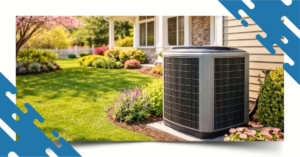
Your outdoor condenser needs unrestricted airflow to release heat efficiently.
Before summer arrives:
- Remove leaves and branches
- Clear grass clippings
- Trim shrubs
- Remove weeds
- Keep at least 24 inches of open space around the unit
If dirt has accumulated on the condenser coils, gently rinse them using a garden hose. Avoid using a pressure washer, as high pressure can bend delicate aluminum fins.
- Have you noticed your outdoor unit surrounded by leaves or standing water after rain? These small issues can affect cooling efficiency if left unaddressed.
3. Check Your Thermostat Settings
Your thermostat controls how efficiently your system operates.
Verify that:
- The display works correctly
- Batteries are fresh (if applicable)
- Temperature readings are accurate
- Cooling cycles start normally
- Programmed schedules match your family’s routine
Upgrading to a smart thermostat can improve comfort while helping reduce cooling costs through automatic scheduling and energy-saving features.
- Smart thermostats track your energy usage and provide insights to help you save on bills.
4. Inspect Supply and Return Vents
Blocked vents force your HVAC system to work harder.
Walk through your home and:
- Vacuum dust from registers
- Remove furniture blocking vents
- Keep curtains away from air registers
- Ensure every room has proper airflow
Dirty or blocked vents limit airflow and strain your AC. Vacuum dust from vents and ensure furniture or curtains aren’t obstructing airflow. If you notice uneven cooling, it may be time for a professional duct inspection.
5. Clean Around Indoor Equipment
Your indoor air handler should remain clean and unobstructed.
Remove stored boxes or household items around the unit and keep the surrounding area free of dust and debris to allow proper service access and airflow.
6. Check the Condensate Drain Line
Clogged drain lines can cause water damage or mold growth.
Florida’s humidity causes your air conditioner to remove a significant amount of moisture every day.
If the condensate drain becomes clogged, it can lead to:
- Water leaks
- Ceiling damage
- Mold growth
- High indoor humidity
- System shutdowns
Many homeowners flush the drain line with a vinegar solution as preventive maintenance, but a professional inspection ensures the entire drainage system is functioning properly.
7. Listen for Unusual Sounds
Your air conditioner should operate quietly.
Contact an HVAC professional if you hear:
- Grinding
- Squealing
- Buzzing
- Rattling
- Clicking
- Vibrating
These sounds often indicate worn bearings, loose components, electrical issues, or failing motors.
8. Schedule a Professional AC Tune-Up
Even if your system appears to be running normally, a professional HVAC inspection can identify hidden problems before they become costly.
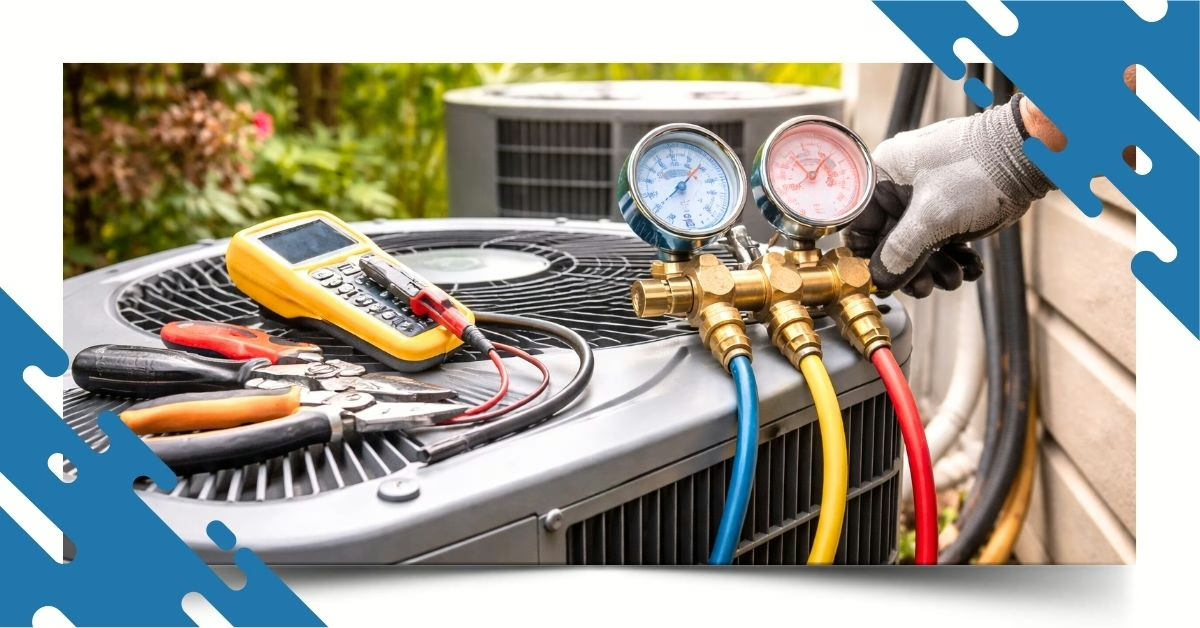
During a comprehensive spring maintenance visit, a licensed technician typically:
- Inspect electrical components
- Tighten electrical connections
- Test capacitors and contactors
- Measure refrigerant levels
- Check for refrigerant leaks
- Clean evaporator coils
- Clean condenser coils
- Inspect blower components
- Test thermostat calibration
- Check system airflow
- Inspect duct connections
- Verify proper temperature split
- Flush the condensate drain
- Lubricate moving parts (when applicable)
- Evaluate overall system performance
This detailed inspection helps maximize efficiency, improve reliability, and reduce the likelihood of unexpected repairs during peak cooling season.
Florida-Specific HVAC Tips for Spring
Living in Ocala, Belleview, or The Villages comes with unique HVAC challenges. Florida’s subtropical climate brings hot, humid days early in the year. This makes your air conditioner work harder than in many other states. These regional factors can help your system run efficiently.
1. Control Indoor Humidity
High humidity can make your home feel warmer than it actually is, causing your air conditioner to run longer and work harder.
To improve comfort and efficiency:
- Keep windows and doors closed while your AC is running.
- Use bathroom and kitchen exhaust fans to reduce excess moisture.
- Make sure your condensate drain line is clear.
- Consider installing a whole-home dehumidifier if indoor humidity remains high.
For optimal comfort, aim to keep your home’s humidity between 40% and 60%.
2. Prepare for Florida's Allergy Season
Spring in Central Florida brings high levels of pollen, dust, and other airborne allergens. These particles can quickly clog your HVAC filter and reduce indoor air quality.
To help protect your family:
- Replace air filters more frequently during allergy season.
- Keep supply and return vents clean.
- Schedule professional duct cleaning if excessive dust is present.
- Consider installing an air purification system or UV air purifier to help reduce airborne contaminants.
Routine HVAC maintenance not only keeps your system running efficiently but also supports a healthier indoor environment.
3. Prepare for Heavy Rain and Storms
Spring often marks the beginning of Florida’s rainy season. Heavy rain and strong winds can affect your outdoor condenser unit.
Protect your system by:
- Removing loose branches and yard debris.
- Keeping shrubs trimmed away from the unit.
- Checking that the condenser remains level.
- Ensuring the area drains properly after storms.
After severe weather, inspect your outdoor unit for debris before turning your system back on.
Signs Your AC Needs Professional Service
Even if your air conditioner is still running, certain warning signs may indicate it’s time for professional HVAC service.
Contact a licensed HVAC technician if you notice:
- Warm air coming from vents
- Weak airflow
- Uneven temperatures throughout your home
- High indoor humidity
- Frequent cycling on and off
- Unusual noises
- Burning or musty odors
- Water leaking around the indoor unit
- Ice forming on refrigerant lines or coils
- Unexpected increases in your energy bills
Addressing these issues early can often prevent larger, more expensive repairs.
Common Mistakes to Avoid
Even experienced homeowners can fall into a few traps when preparing their AC for spring.
- Skipping early maintenance: Waiting until the heatwave hits increases repair costs and delays service.
- Ignoring airflow issues: Blocked vents or dirty filters strain your system and reduce efficiency.
- DIY overreach: Some tasks, such as checking refrigerant levels or inspecting electrical components, should only be performed by trained technicians.
Avoiding these common errors can keep your AC running efficiently and your home comfortable all season.
Energy-Saving Tips for Florida Homeowners
Keeping your home comfortable doesn’t have to mean higher utility bills.
Follow these tips to maximize efficiency:
- Set your thermostat between 76°F and 78°F when you’re home.
- Raise the temperature a few degrees when you’re away.
- Replace dirty air filters regularly.
- Seal air leaks around doors and windows.
- Keep blinds closed during the hottest part of the day.
- Use ceiling fans to improve air circulation.
- Schedule annual professional maintenance.
- Install a programmable or smart thermostat.
- Keep furniture away from supply vents.
- Add attic insulation if your home lacks adequate insulation.
Small improvements can significantly reduce cooling costs over time.
Frequently Asked Questions About Spring HVAC Maintenance
Most HVAC professionals recommend scheduling professional maintenance twice a year—once in the spring before the cooling season and again in the fall before the heating season. Since air conditioners in Florida operate for much of the year, regular maintenance helps improve efficiency, prevent unexpected breakdowns, and extend the life of your system.
A professional HVAC tune-up typically includes:
- Inspecting electrical components
- Tightening electrical connections
- Testing capacitors and contactors
- Checking refrigerant levels
- Inspecting for refrigerant leaks
- Cleaning condenser and evaporator coils
- Flushing the condensate drain line
- Inspecting blower components
- Testing thermostat operation
- Measuring airflow
- Evaluating overall system performance
These inspections help identify small issues before they become costly repairs.
For most homes, replace disposable air filters every 1–3 months.
You may need to replace them more frequently if you:
- Have pets
- Have family members with allergies or asthma
- Run your AC frequently
- Live in a dusty area
- Use lower-efficiency filters
Checking your filter monthly is the best way to determine when it needs replacement.
Yes. Regular maintenance helps your system operate more efficiently, which can lower energy consumption and reduce wear on major components. It also helps identify small issues early, reducing the likelihood of expensive emergency repairs and extending the life of your HVAC system.
Many homeowners find 78°F to be a comfortable and energy-efficient setting while at home. When you’re away, increasing the temperature by a few degrees can help reduce cooling costs without placing excessive strain on your system.
Several issues can prevent your AC from cooling properly, including:
- Dirty air filters
- Low refrigerant
- Frozen evaporator coils
- Dirty condenser coils
- Thermostat problems
- Blocked airflow
- Electrical component failures
A professional inspection can accurately diagnose the problem and recommend the appropriate repair.
Improving indoor air quality starts with routine HVAC maintenance. Additional steps include:
- Replacing air filters regularly
- Keeping vents clean
- Maintaining proper indoor humidity
- Scheduling duct inspections when needed
- Installing a whole-home air purifier or UV air purification system
- Using high-quality air filters compatible with your HVAC system
These measures can help reduce dust, pollen, pet dander, and other airborne contaminants.
Stay Cool This Spring with a Complete HVAC Check
Spring is the perfect time to give your AC the attention it deserves. By following this Spring HVAC Maintenance Guide, you can improve energy efficiency, protect indoor air quality, and prevent unexpected breakdowns during Florida’s hot months. From changing filters and clearing vents to scheduling a professional tune-up, each step helps your system run smoothly and keeps your home comfortable.
Have you checked your AC yet this spring? If not, now is the time to act—before the heat, humidity, and pollen levels make your system work overtime.
Don’t wait until your AC struggles or an emergency repair becomes necessary. Iron Shield Heating & Air is here to ensure your system is ready for Florida’s spring and summer heat. Our licensed, experienced technicians provide thorough inspections, maintenance, and repairs tailored to your home in Ocala, Belleview, or The Villages.
Schedule your spring HVAC service today and stay cool all season long.
Your comfort is our priority!
Related Blog Posts
Read more articles and expert advice related to this service.