
Your air conditioner is one of the most important—and expensive—electrical systems in your home. But have you considered what could happen to it during a lightning storm, utility power fluctuation, or sudden electrical surge?
A power surge can damage sensitive HVAC components, including control boards, capacitors, motors, compressors, and other electronic controls. In Central Florida, where thunderstorms and lightning are common, protecting your AC system from electrical surges can be an important part of preventive HVAC maintenance.
An AC surge protector, also called a surge protective device (SPD), is designed to help limit the damaging effects of electrical voltage spikes before they reach your air conditioning equipment.
At Iron Shield Heating & Air, we help homeowners protect their comfort systems with practical HVAC solutions designed to reduce unexpected repairs and extend equipment reliability.
What Is an AC Surge Protector?

An AC surge protector is a device designed to help protect air conditioning and HVAC equipment from sudden increases in electrical voltage.
When an electrical surge occurs, the surge protective device provides a controlled path for excess voltage, helping reduce the amount of damaging energy that reaches connected equipment.
HVAC systems contain increasingly sophisticated electronic components. Modern air conditioners, heat pumps, variable-speed systems, and communicating HVAC equipment can be particularly sensitive to electrical disturbances.
A properly selected and installed HVAC surge protector can provide an additional layer of protection between your home’s electrical system and your expensive air conditioning equipment.
Surge protection does not guarantee that an HVAC system will survive every electrical event, especially a direct lightning strike. It is designed to reduce the risk of damage from transient voltage surges.
What Causes Power Surges in an HVAC System?
Power surges aren’t limited to major lightning strikes. Electrical surges can come from both outside and inside your home.
1. Lightning and Severe Weather
Lightning is one of the most powerful sources of electrical energy that can affect a home.
A nearby lightning strike can cause a significant electrical disturbance that may travel through utility lines and electrical systems. Even when lightning doesn’t directly strike your home, nearby electrical activity can create damaging transient voltages.
This is particularly important in areas that experience frequent thunderstorms.
2. Utility Grid Fluctuations
Electrical utilities routinely switch equipment and manage changing loads on the power grid.
These operations can create temporary voltage fluctuations or surges that may affect electrical equipment inside your home.
3. Power Restoration
When power is restored after an outage, electrical equipment can experience temporary fluctuations.
Your HVAC system may be especially vulnerable because the outdoor condenser contains high-powered electrical components and controls.
4. Large Appliances Inside Your Home
Power disturbances can also originate inside your home.
Equipment such as refrigerators, pumps, motors, and other high-demand appliances can create electrical disturbances when they start or stop.
These events are generally much smaller than a major lightning-related surge, but repeated electrical disturbances can still be undesirable for sensitive electronic equipment.
Why Is Your AC Vulnerable to Power Surges?
Modern air conditioners are more than motors and mechanical components.
Today’s HVAC systems may contain:
- Electronic control boards
- Variable-speed motors
- Inverter technology
- Sensors
- Thermostats and communicating controls
- Contactors and relays
- Compressor electronics
- Capacitors
- Other sensitive electrical components
Damage to one of these components can result in an expensive HVAC repair and, in some cases, prevent the system from operating altogether.
This is one reason surge protection is worth considering when you’re investing in a new AC system or maintaining an existing one.
How AC Surge Protectors Work
So, how does an AC Surge Protector actually defend your air conditioner from unexpected electrical spikes?
Most surge protectors use clever technology like Metal Oxide Varistors (MOVs) or Gas Discharge Tubes (GDTs) to detect when voltage rises too high. The moment a surge hits, the device diverts the extra electricity safely away from your AC, preventing costly damage to motors, control boards, and sensors.
Timing is everything. A fast response can mean the difference between a protected system and a blown-out compressor. That’s why professional-grade AC surge protectors react almost instantly—milliseconds matter when it comes to electrical spikes.
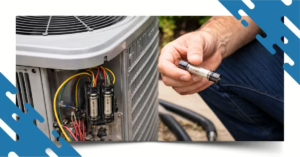
These protectors are usually installed at the outdoor condenser unit or in the disconnect box, forming a first line of defense right where the AC connects to your home’s electrical supply. Some setups even use a layered approach, combining whole-home surge protection with a dedicated AC unit protector for ultimate peace of mind.
Whole-Home Surge Protection vs. AC Surge Protection
You may already have—or be considering—a whole-home surge protector.
So, do you still need an AC surge protector?
Not necessarily in every home. However, using surge protection at multiple levels can provide a layered approach to protecting electrical equipment.
Whole-Home Surge Protection
A whole-home SPD is generally installed at the home’s main electrical service or distribution equipment and is designed to help protect multiple circuits and appliances.
Dedicated HVAC Surge Protection
A dedicated surge protective device can provide additional protection specifically for an air conditioner or heat pump.
Because your HVAC system is a major electrical load and a significant investment, homeowners may choose to combine whole-home protection with equipment-level surge protection.
The appropriate setup depends on your home’s electrical system and the HVAC equipment being protected.
Benefits of Installing an AC Surge Protector
1. Helps Protect Expensive HVAC Components
A surge can damage electronic components that may be expensive to diagnose and replace.
An AC surge protector adds another layer of protection between your HVAC system and electrical surges.
2. Helps Reduce the Risk of Electrical Damage
While no surge protector can eliminate every electrical risk, an appropriately rated SPD can help reduce the potential impact of transient voltage events.
3. Helps Protect Your HVAC Investment
A new air conditioner can represent a significant investment.
Adding surge protection is a relatively small preventive measure compared with the potential cost and inconvenience associated with certain electrical component failures.
4. Helps Reduce Unexpected HVAC Downtime
A damaged control board or other electrical component can leave your home without cooling until the problem is diagnosed and repaired.
Surge protection can help reduce the risk of certain surge-related failures.
5. Adds Protection During Storm Season
Florida homeowners deal with frequent thunderstorms, lightning, and changing weather conditions.
Installing appropriate surge protection can be especially valuable before periods of increased storm activity.
6. Provides Added Peace of Mind
You can’t control when a utility disturbance or electrical surge occurs.
Adding an AC surge protector gives your HVAC system another layer of defense against transient electrical events.
What Should You Look for in an AC Surge Protector?
Not every surge protective device is designed for the same application. Your HVAC technician should select a device based on the electrical characteristics of your equipment and installation.
Here are several important specifications to consider.
Surge Current Rating
The nominal discharge current (In) and other surge ratings indicate how the device is designed to handle transient surge energy.
Higher numbers don’t automatically mean a device is better for every installation. The SPD should be appropriately rated for the specific electrical system.
Voltage Protection Rating
The Voltage Protection Rating (VPR) indicates the voltage level associated with the device’s tested protective performance.
Lower VPR values generally indicate tighter voltage limitation under the applicable test conditions.
UL 1449 Listing
Look for an appropriately certified or listed surge protective device.
UL 1449 is a key safety and performance standard for surge protective devices. Current UL certification records include SPDs evaluated to UL 1449, 5th Edition.
Status Indicator
Many SPDs include an indicator that allows a homeowner or technician to determine whether the device is still providing protection.
If the indicator shows a fault or loss of protection, the device should be evaluated and replaced according to the manufacturer’s instructions.
Proper Electrical Rating
The surge protector must be compatible with:
- Your home’s voltage
- Electrical system configuration
- HVAC equipment
- Breaker/disconnect requirements
- Installation location
- Applicable electrical codes
This is why professional selection and installation are important.
When to Replace or Inspect Your AC Surge Protector
Even the best AC surge protectors aren’t meant to last forever. Knowing when to inspect or replace yours can save you from costly repairs and unexpected breakdowns.
1. After a major power surge: If your area experiences lightning, storms, or a sudden grid spike, your surge protector may have absorbed a significant hit. This could reduce its effectiveness—even if it still looks fine on the outside.
2. Regular lifespan check: Most AC surge protectors last 3–5 years under normal conditions. Over time, repeated minor surges can degrade the internal components, reducing protection.
3. Visual inspection: Many protectors have LED indicators or status lights. If the light shows a fault or stops working, it’s time to replace the unit. Also, check for any signs of physical damage like burns, cracks, or corrosion.
4. Routine maintenance: Including surge protector checks in your annual HVAC inspection is smart. A licensed technician can test its performance and ensure your AC remains fully protected.
By staying proactive, you’re not just avoiding unexpected repairs—you’re protecting your comfort, safety, and investment. After all, a small device can prevent a major headache when the heat is on.
AC Surge Protector FAQs
An appropriately rated and properly installed surge protective device can help limit transient voltage surges reaching HVAC equipment. However, no surge protector can guarantee protection from every electrical event, including all lightning-related damage.
Yes. Electrical surges can potentially damage sensitive HVAC components such as control boards, motors, compressors, and other electronic equipment.
Not necessarily, but dedicated HVAC surge protection can provide another layer of protection. The best setup depends on your electrical system, HVAC equipment, and existing surge protection.
It can help reduce the impact of certain electrical surges associated with lightning and other transient events, but it cannot guarantee protection from a direct lightning strike.
There is no universal lifespan for every surge protective device. Service life depends on the device, electrical environment, and number and severity of surge events. Follow the manufacturer’s inspection and replacement recommendations and replace the device when its protection indicator shows failure.
Because HVAC surge protectors are connected to electrical equipment, professional installation is recommended. A qualified technician can select a properly rated device and install it according to manufacturer requirements and applicable electrical codes.
Requirements can vary depending on the installation and applicable electrical codes. Some current electrical-code provisions require surge protection for certain residential installations and equipment. Your HVAC or electrical professional can determine what applies to your home.
Not always. Surge protection may be an optional add-on depending on the HVAC contractor and equipment package. Ask your HVAC contractor whether an AC surge protective device is recommended for your new system.
It can help reduce the risk of surge-related electrical damage, but it cannot prevent every possible compressor failure. Compressors can fail for many other reasons, including mechanical wear, overheating, refrigerant issues, and electrical problems unrelated to transient surges.
Protect Your AC Today—Don’t Wait Until It’s Too Late
Every storm, brownout, or electrical fluctuation is a risk. Why wait until your AC fails in the middle of a hot day? Our team at Iron Shield Heating & Air can install a reliable surge protector quickly and professionally, ensuring your system is shielded year-round.
Call us today or book a free consultation online. Protect your comfort, your safety, and your wallet—because a little prevention goes a long way.
Related Blog Posts
Read more articles and expert advice related to this service.