
Have you ever walked into your Florida home on a sweltering summer afternoon only to realize your air conditioner isn’t keeping up? Or felt that unexpected chill in your living room during a rare cold snap and wondered if your heater is even working properly? If so, you know just how important seasonal HVAC maintenance in Florida can be.
Florida’s unique climate—with its scorching summers, humid springs, and occasional chilly winters—puts extra stress on heating and cooling systems. Ignoring routine maintenance can lead to higher energy bills, poor indoor air quality, and those dreaded emergency repairs when you need comfort the most.
So, how can you ensure your HVAC system remains reliable throughout the year? What simple steps can prevent your AC or heater from breaking down at the worst possible moment?
Why Seasonal HVAC Maintenance Matters
- Keeps your bills under control – A tuned-up system doesn’t waste energy, which means more money stays in your pocket.
- Helps you breathe easier – Clean filters and coils mean less dust, pollen, and mold circulating through your home.
- Prevents major headaches – Small issues caught early are quick fixes; ignored problems often lead to costly repairs.
- Protects your investment – Just like regular oil changes extend the life of your car, seasonal HVAC care helps your system last longer.
Spring HVAC Checklist
Spring in Florida might not feel as extreme as summer, but it’s the season when your HVAC system starts gearing up for the heavy workload ahead. It’s also when pollen, dust, and humidity can creep into your home, making your AC work harder than it should. A little prep now can save you from headaches once the summer heat hits full force.
- Swap out your air filter – Florida pollen is no joke. A clean filter keeps the air fresh and helps your system operate more efficiently.
- Check your thermostat – Does it hold the right temperature, or does your home feel warmer than it should? A quick check can keep your system from overworking.
- Inspect coils and vents – Dirt and dust buildup make it harder for your AC to cool your home. A quick clean helps everything run smoothly.
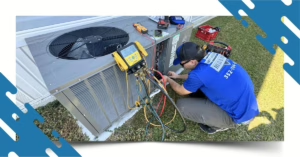
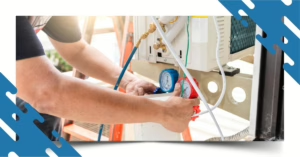
- Check refrigerant levels – Low refrigerant may indicate leaks or reduced efficiency. Identifying this early can help prevent major breakdowns during the summer.
- Schedule a professional tune-up – Think of this as your system’s “spring training.” A licensed technician—like the experts at Iron Shield Heating and Air—can spot small issues before they turn into major problems.

Think of spring maintenance as “spring cleaning” for your HVAC system—it’s all about giving it a fresh start so it’s ready to keep you cool when Florida’s summer heat hits full force.
Summer HVAC Checklist
When summer arrives in Florida, your HVAC system becomes the hardest-working appliance in your home. It’s not just battling high temperatures—it’s also fighting relentless humidity that can make your living spaces feel sticky and uncomfortable. Without proper care, this is the season when small issues can quickly snowball into big, costly problems.
- Inspect insulation and ductwork – Leaky ducts or poor insulation force your AC to work harder, wasting energy and leaving some rooms warmer than others.
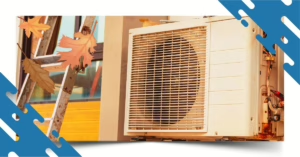
- Keep the outdoor unit clear – Summer storms bring leaves, branches, and debris that can block airflow. Check the unit regularly to make sure it’s breathing freely.
- Pay attention to airflow – If you notice weak airflow or warm spots in certain rooms, it could be a sign of blocked vents or an issue that needs professional attention.
- Use ceiling fans wisely – Fans don’t lower the temperature, but they help circulate cool air so your AC doesn’t have to work as hard.
- Schedule a mid-summer check-up – Iron Shield Heating and Air can inspect refrigerant levels, coils, and electrical connections to keep your system performing at its best.

Imagine it’s mid-July. The forecast says 95°, the humidity is so thick it feels like you’re walking through soup—and suddenly, your AC stops working. That’s a nightmare scenario no Florida homeowner wants. By tackling these summer maintenance steps early, you can keep your cool and avoid scrambling for emergency repairs when the heat is at its worst.
Fall HVAC Checklist
Fall in Florida may not bring colorful leaves and crisp air like it does up north, but it’s still an important season for your HVAC system. The weather starts to ease up, giving your air conditioner a break, and cooler nights remind you that heating season isn’t too far away. This transitional period is the perfect time to reset your system and prepare for the change in temperature.
- Swap out air filters – After a long summer of heavy AC use, your filters are likely full of dust, pollen, and pet dander. Replacing them keeps your indoor air clean and your system efficient.
- Check heating components – Even though you may only use your heater for a few weeks, it’s smart to test it now so you’re not caught off guard when the first chilly night arrives.
- Inspect vents and ductwork – Ensure all vents are open and unblocked by furniture, rugs, or clutter to maintain proper airflow.
- Clean around outdoor units – Fall storms can scatter leaves and debris, which block airflow if not cleared.
- Schedule a preventive tune-up – A technician from Iron Shield Heating and Air can inspect your system for signs of wear, tighten any loose connections, and ensure your heater is fully prepared for unexpected cold snaps.

Here’s a common story: a homeowner skips fall maintenance because they “hardly ever use the heat.” Then, the first 45° night arrives, and their heater won’t turn on. Suddenly, they’re stuck with a chilly house and a last-minute repair bill. A little fall prep can prevent that headache and keep your system ready for whatever Florida’s weather decides to throw your way.
Winter HVAC Checklist
Winter in Florida might not mean snowstorms or frozen pipes, but when a cold front sweeps through, you’ll be glad your heater is ready to go. Since many Florida homes rely on their HVAC systems for both heating and cooling, giving them some winter prep ensures you’ll stay comfortable on those unexpectedly chilly mornings and nights.
- Test your heating system early – Don’t wait until the first cold snap to find out your heater isn’t working. Turn it on in advance to make sure it runs smoothly.
- Inspect drains and humidifiers – Condensation lines and drains can become clogged over time, leading to leaks or water damage. If you use a humidifier, ensure it is clean and working properly.
- Replace or clean air filters – Even in winter, clogged filters restrict airflow, making your system work harder than it should.
- Check your thermostat – Ensure the system switches smoothly between heating and cooling, and check that it is reading the temperature accurately.
- Schedule seasonal maintenance – A professional check-up from Iron Shield Heating and Air ensures your system is tuned, safe, and ready for those rare but memorable cold snaps.

Most homeowners don’t think about their heating system until they wake up shivering on a cold January morning. By then, it’s too late—the system either doesn’t respond or blows lukewarm air. A quick winter checkup not only keeps you cozy when you need it but also keeps your system running strong as it transitions back to cooling mode in spring.
Common Mistakes Homeowners Make
- Skipping seasonal maintenance – It’s easy to delay service when your system appears to be running fine. However, that’s often when hidden issues begin to build up. By the time you notice a problem, it may have already turned into a larger, more costly repair.
- Trying risky DIY fixes – Watching an online video and attempting to open your HVAC system might seem like a way to save money, but it often creates bigger problems. Tasks such as checking refrigerant or repairing electrical components should always be handled by licensed professionals.
- Ignoring small warning signs – Strange noises, musty smells, or uneven temperatures might feel minor, but they’re your system’s way of telling you something’s wrong. Addressing them early can prevent a breakdown.
- Forgetting about the outdoor unit – Out of sight, out of mind, right? But leaves, grass clippings, or even a fence placed too close to your condenser can choke airflow and strain your system.
Tips for Extending HVAC Lifespan
Your HVAC system is one of the biggest investments in your Florida home—so why not get the most out of it? With a few simple habits and some seasonal care, you can extend its life while keeping your home comfortable all year long.
Here are some practical tips to help your system perform at its best:
Swap air filters regularly – A clogged filter makes your HVAC work harder, wasting energy and shortening its lifespan. In Florida, changing your filter every 1–2 months usually does the trick.
Give your outdoor unit space – Keep plants trimmed, remove debris, and leave at least two feet of clearance around your unit. Proper airflow makes a big difference in efficiency.
Set your thermostat smartly – Constantly adjusting the temperature strains your system. Pick a comfortable, steady setting, or try a programmable thermostat to let your AC rest when no one’s home.
Schedule annual check-ups – Think of professional maintenance like a yearly health check for your HVAC. Technicians catch small issues before they become big problems.
Address problems early – Strange noises, uneven cooling, or rising energy bills? Don’t wait. Fixing small issues now can prevent costly breakdowns later.
Curious how a seasonal check-up could save you money and stress? Partnering with experts like Iron Shield Heating & Air means you’ll have a team ready to protect your system—and your comfort—anytime.
Stay Comfortable Year-Round with Seasonal HVAC Care
Frequently Asked Questions About Seasonal HVAC Maintenance
Seasonal HVAC maintenance is preventive service performed at key points throughout the year to prepare your heating and cooling system for changing weather conditions.
It can include inspecting system components, checking airflow, evaluating electrical connections, checking condensate drainage, inspecting coils and other components, and verifying proper operation.
Many homeowners choose to schedule professional HVAC maintenance twice a year—generally once before the main cooling season and once before the heating season.
The appropriate schedule can vary depending on the HVAC system, age, usage, manufacturer recommendations, and home conditions.
Yes. An HVAC system can continue operating while developing problems that aren’t immediately obvious.
Preventive maintenance helps identify potential issues before they result in reduced performance or an unexpected breakdown.
The exact service depends on the HVAC company and system, but professional maintenance may include checking system operation, airflow, electrical components, coils, condensate drainage, controls, refrigerant-related components, and other equipment-specific items.
Always ask your HVAC provider what is included in the maintenance service.
Many filters are commonly replaced every 60 to 90 days, but your actual schedule depends on your filter, HVAC system, home conditions, and how quickly the filter becomes dirty.
Always follow the filter and HVAC manufacturer’s recommendations.
Proper HVAC maintenance and regular filter replacement can support better indoor air quality by helping your system properly filter and circulate indoor air.
However, HVAC maintenance is only one part of indoor air-quality management. EPA recommends addressing pollution sources, maintaining filters, and managing ventilation and humidity as appropriate.
Florida HVAC systems often operate extensively during the cooling season, while humidity, storms, dust, and outdoor debris can create additional challenges.
Regular maintenance helps keep the system prepared for the demands placed on it throughout the year.
Yes. Scheduling an AC inspection or tune-up before the hottest part of the cooling season gives you an opportunity to identify potential problems before your system is working at maximum demand.
Turn the system off and contact an HVAC professional for diagnosis.
A frozen AC can have multiple causes, including airflow restrictions and refrigerant-related issues. Avoid attempting refrigerant repairs yourself.
Common warning signs include weak airflow, uneven temperatures, unusual noises, unusual odors, water leaks, ice buildup, frequent cycling, excessive humidity, and declining cooling or heating performance.
If something doesn’t seem normal, it’s better to have the system evaluated before the problem becomes an emergency.
Related Blog Posts
Read more articles and expert advice related to this service.