
Your air conditioner should keep your home cool and comfortable without constantly running up your energy bills. But when your system starts working harder than it should, you may have an inefficient air conditioning system.
An inefficient AC system can struggle to maintain consistent temperatures, increase your monthly energy costs, reduce indoor comfort, and put unnecessary strain on your equipment. In some cases, a small AC problem can eventually turn into an expensive repair or premature system replacement.
What Is an Inefficient Air Conditioning System?
An inefficient air conditioning system is an AC unit that uses more energy than necessary to provide the desired level of cooling.
Several problems can cause an air conditioner to lose efficiency, including:
- Dirty or clogged air filters
- Poor airflow
- Leaky or damaged ductwork
- Low refrigerant
- Dirty evaporator or condenser coils
- Electrical problems
- A malfunctioning thermostat
- A failing blower motor
- An improperly sized AC system
- Lack of regular air conditioning maintenance
- An aging or worn-out air conditioner
When your AC has to work harder to cool your home, it can consume more energy while providing less comfort.
1. Uneven Temperatures Throughout Your Home
Are Some Rooms Hot While Others Stay Cool?
One of the most noticeable signs of an inefficient air conditioning system is inconsistent indoor temperatures.
You may notice that one room feels comfortable while another remains hot and humid. Some areas may receive plenty of cool air while others have weak airflow.
Uneven cooling can be caused by:
- Leaky or poorly designed ductwork
- Blocked or restricted air vents
- Poor insulation
- Dirty air filters
- Improper airflow
- An improperly sized AC unit
- Problems with the blower motor
If your air conditioner is running but certain rooms never seem to cool down, an HVAC professional can inspect your system and determine the underlying cause.
2. Your AC Is Making Unusual Noises
A properly functioning air conditioner will produce some normal operating sounds, but sudden or unusual noises should not be ignored.
Listen for:
- Grinding
- Screeching or squealing
- Banging
- Rattling
- Buzzing
- Clicking
- Hissing
Different sounds can point to different problems. For example, rattling may indicate a loose component, while grinding can be associated with a motor or other mechanical problem.
Ignoring unusual AC noises could allow a relatively minor issue to develop into a more expensive repair.
If your air conditioner suddenly sounds different, schedule an AC inspection before the problem gets worse.
3. Weak Airflow From Your Vents
Is Your AC Blowing Weak or Warm Air?
When your air conditioner is running, you should feel a steady flow of cool air from your vents.
If the airflow is weak, inconsistent, or warmer than expected, your system may not be operating efficiently.
Possible causes include:
- A dirty air filter
- Blocked or leaking ductwork
- Dirty evaporator coils
- A failing blower motor
- Restricted air vents
- Refrigerant problems
- Other airflow restrictions
Start With Your Air Filter
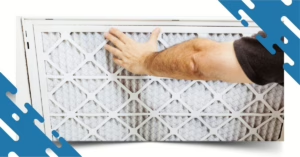
A dirty air filter is one of the simplest problems to check. A clogged filter can restrict airflow and force your AC to work harder.
Replacing your air filter regularly can help maintain proper airflow, improve indoor air quality, and reduce unnecessary strain on your HVAC system.
If changing the filter doesn’t improve airflow, it’s time to have your system professionally inspected.
4. Your AC Frequently Turns On and Off
Is Your Air Conditioner Short Cycling?
Does your air conditioner turn on, run for a short period, shut off, and then start again shortly afterward?
This is known as short cycling, and it can be a sign of an inefficient air conditioning system.
Short cycling can be caused by:
- A malfunctioning thermostat
- An improperly sized AC unit
- Low refrigerant
- Restricted airflow
- Dirty components
- Electrical or control problems
Short cycling prevents your system from completing normal cooling cycles and can increase energy consumption and equipment wear.
If your AC repeatedly turns on and off, don’t ignore it. Professional AC repair can help identify the cause and prevent additional damage.
5. Your Home Feels Humid or Muggy
Is Your AC Cooling but Not Removing Enough Humidity?
Your air conditioner does more than lower the temperature. It also helps remove moisture from the indoor air.
If your home feels muggy, clammy, or unusually humid even while the AC is running, your system may not be operating properly.
Potential causes include:
- Insufficient AC runtime
- Oversized equipment
- Dirty evaporator coils
- Airflow problems
- Refrigerant issues
- Drainage problems
- Other HVAC performance issues
Excess indoor humidity can make your home feel warmer than it actually is and may contribute to moisture-related problems.
A professional HVAC inspection can determine whether your air conditioner is properly cooling and dehumidifying your home.
6. Your Energy Bills Are Suddenly Higher
Are You Paying More for the Same Amount of Cooling?
A sudden increase in your electricity bill can be one of the biggest clues that your AC system has lost efficiency.
If your usage and thermostat settings haven’t changed significantly but your energy costs have increased, your air conditioner may be working harder than necessary.
Possible causes include:
- Dirty filters or coils
- Refrigerant problems
- Poor airflow
- Duct leaks
- Electrical issues
- An aging AC system
- Lack of routine maintenance
An inefficient air conditioning system can consume significantly more energy while providing less cooling.
Regular air conditioning maintenance can help identify developing problems, improve system performance, and potentially reduce unnecessary energy consumption.
7. Your AC Produces Strange or Unpleasant Odors
Don’t Ignore Unusual Smells Coming From Your HVAC System
Unusual odors coming from your air conditioner should never be ignored.
Different smells can have different causes:
- Musty or moldy odors:
May be associated with excess moisture, dirty components, or microbial growth. - Burning or electrical smells: Could indicate an overheating motor, wiring problem, or another electrical issue. Turn off the system and seek professional assistance if you notice a strong burning or electrical odor.
- Persistent unusual odors: Should be professionally inspected to determine the source.
While refrigerant leaks can cause AC performance problems, most common refrigerants are not easily detectable by smell. If you suspect a refrigerant leak because your system isn’t cooling properly, a qualified HVAC technician should inspect the system.
Learn More: Why Does My AC Smell?
When Should You Schedule AC Repair?
If you’ve noticed one or more of these warning signs, it may be time for professional AC repair.
Contact an HVAC professional if your air conditioner:
- Isn’t cooling your home properly
- Blows warm or weak air
- Frequently turns on and off
- Makes unusual noises
- Produces strange odors
- Struggles to maintain the thermostat setting
- Causes unexplained increases in energy costs
- Leaves your home unusually humid
- Has visible water or refrigerant-related issues
Getting professional help early can prevent minor HVAC problems from becoming major repairs.
Our HVAC professionals provide AC repair, air conditioning maintenance, AC replacement, heat pump services, air handler services, ductwork solutions, and other residential HVAC services throughout Ocala and surrounding communities, including The Villages, Belleview, Summerfield, Lady Lake, Marion Oaks, Citrus Springs, Wildwood, Dunnellon, and Leesburg.
Don’t wait for a small AC problem to become a major breakdown.
We install it. We service it. We stand behind it.
Frequently Asked Questions About Inefficient Air Conditioning Systems
Common signs include uneven cooling, weak airflow, frequent cycling, unusual noises, excessive indoor humidity, higher energy bills, and strange odors.
Several issues can cause an AC to run without adequately cooling your home, including restricted airflow, dirty coils, low refrigerant, ductwork problems, thermostat issues, or an aging system. A professional HVAC inspection can identify the cause.
Yes. A clogged air filter can restrict airflow, forcing your air conditioner to work harder. Replacing the filter regularly is one of the easiest ways to help maintain proper HVAC airflow and efficiency.
Frequent cycling, also called short cycling, can result from thermostat problems, restricted airflow, low refrigerant, an improperly sized system, or other HVAC issues. It should be professionally diagnosed.
Regular professional AC maintenance is recommended to help keep your system operating properly and identify potential problems early. Your HVAC manufacturer may also provide specific maintenance recommendations for your equipment.
Yes. When an air conditioner loses efficiency, it may need to run longer or work harder to achieve the same cooling results, which can increase energy consumption.
It depends on the age and condition of the system, the cost and frequency of repairs, its efficiency, and how well it continues to cool your home. An HVAC professional can evaluate your system and help you compare your repair and replacement options.
Start by replacing dirty air filters, keeping vents clear, maintaining the outdoor condenser, scheduling professional AC maintenance, addressing ductwork problems, and repairing HVAC issues promptly.
Related Blog Posts
Read more articles and expert advice related to this service.