
Florida may be known for warm weather, but cold fronts can still bring surprisingly chilly temperatures—especially during late fall and winter. When temperatures drop, the last thing you want is a heater that struggles to keep your home comfortable.
The good news? Your heating system may show signs your heater needs attention before a minor problem turns into an unexpected breakdown.
Strange noises, uneven heating, unusual odors, rising energy bills, and a heater that runs constantly can all indicate that something isn’t working properly.
Whether your home uses a furnace, heat pump, or another heating system, knowing what to watch for can help you address problems earlier, improve energy efficiency, and stay comfortable during Florida’s occasional cold snaps.
Here are five common signs your heater needs attention and what you should do if you notice them.
The Top 5 Warning Signs Your Heater Needs Attention
Before the cold really sets in, it’s smart to know what to watch for. Your heater isn’t going to suddenly stop working without leaving a few hints — if you pay attention. From strange sounds to uneven warmth, these are the top five warning signs that your system might need a checkup before it leaves you shivering.
1. Uneven or Weak Heat Throughout Your Home
Does your thermostat say 72°F, but some rooms still feel cold? Uneven heating is one of the most common signs your heater needs attention.
You may notice:
- Some rooms are warm while others remain cold
- Weak airflow from certain vents
- Your heater runs but doesn’t seem to warm the home
- One area of the house is consistently uncomfortable
- Temperatures vary significantly from room to room
Several issues can cause uneven heating, including a dirty air filter, blocked or closed vents, restricted airflow, ductwork problems, or a malfunctioning heating component.
What you can check
Start by making sure your supply vents are open and unobstructed. Check your air filter and replace it if it is dirty or clogged.
If the problem continues, have an HVAC professional inspect the system. A technician can check airflow, ductwork, the blower, thermostat operation, and other components to determine why your home isn’t heating evenly.
Don’t wait for a complete heating failure if your system is already struggling to keep up.
2. Strange Sounds From Your Heater
A properly operating heating system should not suddenly develop loud, unusual noises.
If you hear banging, rattling, squealing, grinding, buzzing, popping, or whistling, pay attention.
Different sounds can point to different problems:
- Banging or popping: Could be related to airflow, ductwork, or components expanding and contracting.
- Rattling: May indicate a loose panel, component, or other mechanical issue.
- Squealing: Can be associated with a blower motor, belt, or other moving component.
- Grinding: May indicate a problem with a motor or another mechanical part.
- Whistling: Can be caused by restricted airflow, duct leaks, or other airflow problems.
A strange noise doesn’t automatically mean you need an expensive repair. However, continuing to operate a system that is making unusual sounds can allow a relatively small issue to become more serious.
What should you do?
Pay attention to when the noise occurs. Does it happen when the heater starts, while it is running, or when it shuts off?
That information can help an HVAC technician diagnose the problem more efficiently.
If a new or unusually loud sound appears, schedule a professional heating system inspection rather than ignoring it.
3. Unusual or Persistent Odors When the Heater Runs
A dusty smell when you first turn on your heater after a long period of inactivity can sometimes occur as accumulated dust burns off.
However, persistent, strong, or unusual odors should not be ignored.
Potential warning signs include:
Burning or electrical smell
A persistent burning or electrical odor could indicate an overheating component, wiring issue, or other electrical problem.
Turn the system off and have it inspected if the smell doesn’t quickly disappear.
Musty or moldy smell
A musty odor may be associated with moisture, dirty components, or problems within the ductwork or surrounding areas.
Gas odor
If you have a gas furnace and smell what seems like gas, treat it as an emergency. Do not try to identify or repair the source yourself.
Leave the home immediately and contact your local gas utility or emergency services from a safe location. Do not operate electrical switches or anything that could create a spark before leaving.
It’s also important to remember that carbon monoxide (CO) cannot be detected by smell. CO is colorless and odorless and can be produced by malfunctioning fuel-burning appliances, including furnaces. The U.S. Consumer Product Safety Commission recommends professional annual inspection and servicing of fuel-burning heating systems and recommends CO alarms on every level of the home and outside sleeping areas.
If a carbon monoxide alarm sounds, leave the home immediately and call 911 or your local emergency services. Do not re-enter until authorities say it is safe.
When it comes to unusual heater odors or possible gas and carbon monoxide problems, safety always comes first.
4. Your Energy Bills Are Rising Without a Change in Usage
Did your energy bill suddenly increase even though your heating habits haven’t changed?
An unexpected increase in heating costs can be one of the signs your heater needs attention.
When a heating system isn’t operating efficiently, it may have to run longer or work harder to maintain the temperature set on your thermostat.
Possible causes include:
- A clogged or dirty air filter
- Restricted airflow
- Ductwork leaks
- Thermostat problems
- A failing blower motor
- Dirty or malfunctioning components
- An aging or inefficient heating system
- Poor system performance
Before assuming your heater is the cause, remember that energy bills can also change because of weather, utility rates, home occupancy, and other factors.
However, if your heating costs are noticeably higher and your system is running more than usual, it’s worth having the system inspected.
A professional HVAC tune-up can identify performance problems and help determine whether your heating system is operating efficiently.
5. Your Heater Runs Constantly but Can't Keep Up
One of the clearest signs your heater needs attention is when the system seems to run continuously but your home still doesn’t reach the temperature you’ve selected.
For example, you set your thermostat to 72°F, but your heater keeps running without reaching the set temperature.
This can happen because of:
- Restricted airflow
- A dirty filter
- Thermostat problems
- Ductwork issues
- An improperly sized system
- A failing heating component
- An aging or inefficient system
- A problem with the heat pump or furnace
Some longer heating cycles can be normal depending on outdoor temperatures, system type, and the home’s insulation. But if your heater never seems to reach the thermostat setting, runs constantly, or your home remains uncomfortable, it’s time to investigate.
A professional HVAC technician can test the system and determine whether the problem is airflow, controls, ductwork, equipment performance, or something else.
Other Signs Your Heater Needs Attention
The five warning signs above are some of the most common, but they’re not the only indicators that your heating system may need service.
Watch for:
- Frequent heating system cycling
- Weak airflow from vents
- Thermostat not responding correctly
- Heater turning on and off repeatedly
- Increasingly frequent repairs
- Visible rust, corrosion, or water around equipment
- Poor indoor comfort despite normal thermostat settings
- A system that is becoming increasingly difficult to maintain
- An aging heating system with declining performance
If you notice several of these problems at the same time, don’t wait until the next cold front to schedule service.
When Should You Call an HVAC Professional?
You don’t have to wait until your heater stops working completely.
Call an HVAC professional if your system:
- Isn’t producing enough heat
- Makes unusual or increasingly loud noises
- Runs constantly
- Cycles on and off frequently
- Produces persistent unusual odors
- Has weak or inconsistent airflow
- Causes unexplained increases in energy use
- Struggles to reach the thermostat setting
- Requires repeated repairs
And if you smell gas or a carbon monoxide alarm sounds, do not wait for a routine HVAC appointment. Follow emergency safety procedures and get everyone to a safe location.
Stay Comfortable With Reliable Heating Service in Ocala, FL
Florida winters may be mild compared with other parts of the country, but a sudden cold front can still make a properly working heating system essential.
Knowing the signs your heater needs attention can help you catch problems early—from uneven heating and strange noises to unusual odors, rising energy bills, and a heater that can’t keep up.
At Iron Shield Heating & Air, we provide professional HVAC services to help homeowners stay comfortable throughout the year. Whether you need furnace repair, furnace maintenance, heat pump service, heating repair, thermostat service, ductwork service, or HVAC maintenance, our team can help diagnose the problem and recommend the appropriate solution.
Don’t wait until your heater stops working during the next cold snap.
Schedule your heating service with Iron Shield Heating & Air today and make sure your HVAC system is ready when you need it most.
Frequently Asked Questions About Heater Problems
The most common signs your heater needs attention include uneven heating, strange noises, unusual odors, rising energy bills, weak airflow, frequent cycling, and a heater that runs continuously without reaching the thermostat setting.
A heater may run without adequately warming your home because of restricted airflow, a dirty filter, ductwork problems, thermostat issues, an equipment malfunction, or an aging system. If the problem continues after checking the filter and vents, have the system professionally inspected.
Strange heater noises can be caused by loose components, blower problems, airflow restrictions, ductwork issues, or other mechanical problems. The type and timing of the noise can help an HVAC technician identify the cause.
A mild dusty smell can sometimes occur when a heating system is used for the first time after sitting unused. However, a persistent burning or electrical smell should not be ignored. Turn off the system and have it inspected if the odor continues.
If you smell gas, leave the home immediately and contact your local gas utility or emergency services from a safe location. Do not operate electrical switches or attempt to locate or repair the leak yourself.
Yes. A heating system that is operating inefficiently or running longer than normal can contribute to higher energy consumption. However, energy bills can also be affected by weather, utility rates, home conditions, and other factors.
Annual professional maintenance is a good practice for heating systems. The CPSC specifically recommends annual professional inspection and servicing of fuel-burning heating systems.
Yes. Even though Florida has a relatively mild winter climate, heating systems still need to operate safely and reliably when temperatures drop. Scheduling maintenance before the heating season can help identify potential problems before you need the system.
A professional HVAC inspection can help determine whether repair or replacement makes more sense. Factors include the system’s age, repair history, efficiency, overall condition, reliability, and the cost of the recommended repair.
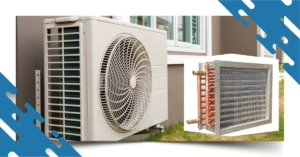
A furnace generates heat, while a heat pump transfers heat from one location to another. Heat pumps are particularly common in Florida because they can provide both heating and cooling from the same system.
Related Blog Posts
Read more articles and expert advice related to this service.